Raising awareness of both existing and emerging foreign and security policy challenges facing the European Union, EUISS Briefs provide key information in a concise, focused format.
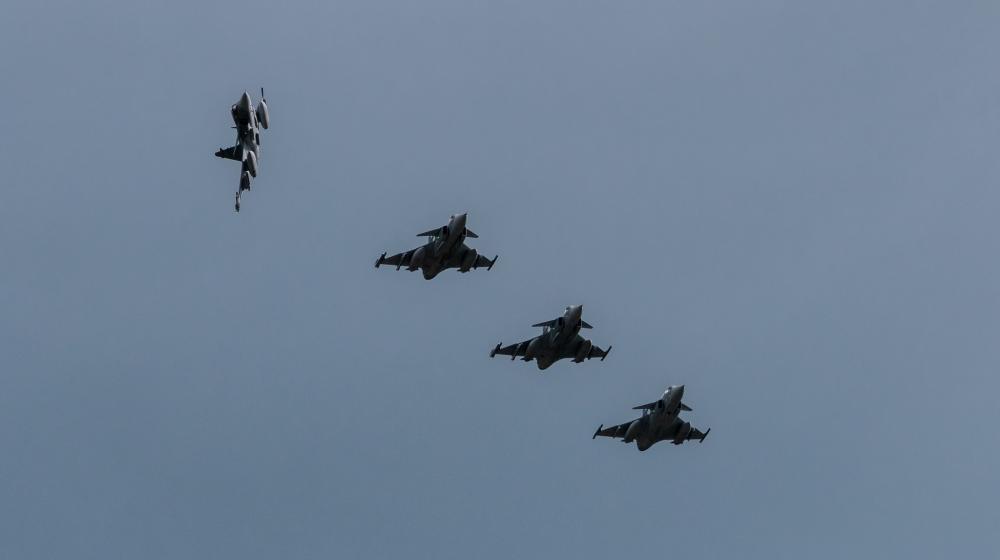
Deeper EU-Ukraine defence industrial integration can strengthen Ukraine's ability to resist Russia while bolstering Europe's defences. Combining Kyiv's innovation and expertise with European capital, tech and demand can build a stronger shared defence industrial base.
The transatlantic relationship has come under strain in 2026 but has not collapsed. Hopes that the US midterms will ease tensions may be misplaced. To navigate the next two years, Europe needs a versatile playbook that combines cooperation with resilience to coercion.
Africa's accelerating digital transformation creates opportunities for growth and innovation, but also new dependencies and security risks. As African and EU interests increasingly converge, closer cooperation can support secure infrastructure, digital sovereignty and regional...
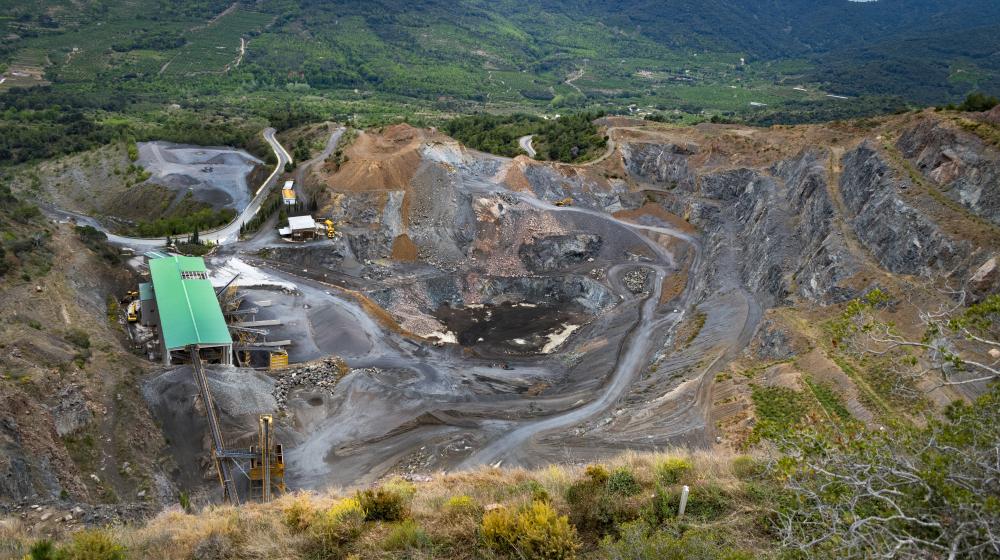
Can critical raw materials accelerate EU enlargement while strengthening Europe’s economic security? Sustainable investment, local value chains and high governance standards are essential to turn resource partnerships into long-term strategic assets for both the EU and its...
Europe has strengthened its resilience and preparedness, but efforts remain fragmented. An EU resilience planning capability would improve coordination, strengthen civilian-military cooperation and help make resilience a core pillar of European deterrence and defence.
As Russia tightens its grip on Belarus, the country is becoming a growing source of military pressure and intimidation against Europe. The EU must respond with a balanced strategy of pressure, conditional incentives and support for democratic forces.
The EU and its enlargement partners face shared cyber threats but have yet to develop the operational cooperation needed to address them effectively. Deeper pre-accession coordination is needed to strengthen political, societal and industrial resilience across Europe.
The Caribbean is facing major geopolitical upheaval as the US increases pressure on Venezuela and Cuba. Regional actors are recalibrating their strategies in response. The EU should not ignore this region given its relevance to Europe’s own security.
At a time of intensifying global competition, Africa's energy transition is central to its development ambitions. A stronger Africa-EU partnership on renewables, grids and supply chains could deliver mutual gains, but weak infrastructure, financing gaps and fossil fuel dependence...
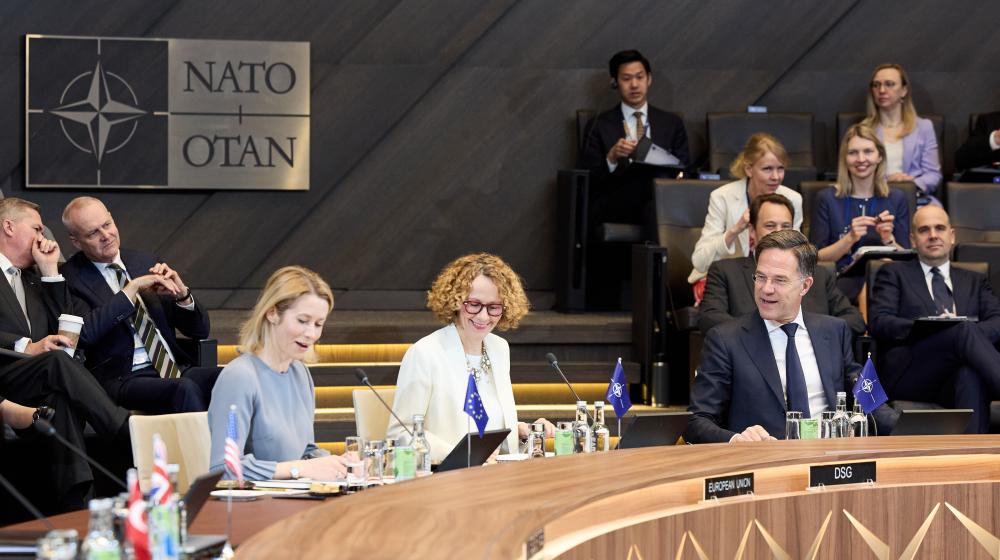
EU–NATO cooperation has intensified amid growing security threats, but structural constraints and renewed transatlantic tensions under Trump 2.0 complicate the partnership. The EU should strengthen coordination with NATO while preparing for greater transatlantic uncertainty.