Raising awareness of both existing and emerging foreign and security policy challenges facing the European Union, EUISS Briefs provide key information in a concise, focused format.
In 2022 Moldova faced one of the most dangerous moments in its recent history. This Brief explores how the country has sought to strengthen its security and resilience in the shadow of Russia’s war on Ukraine.
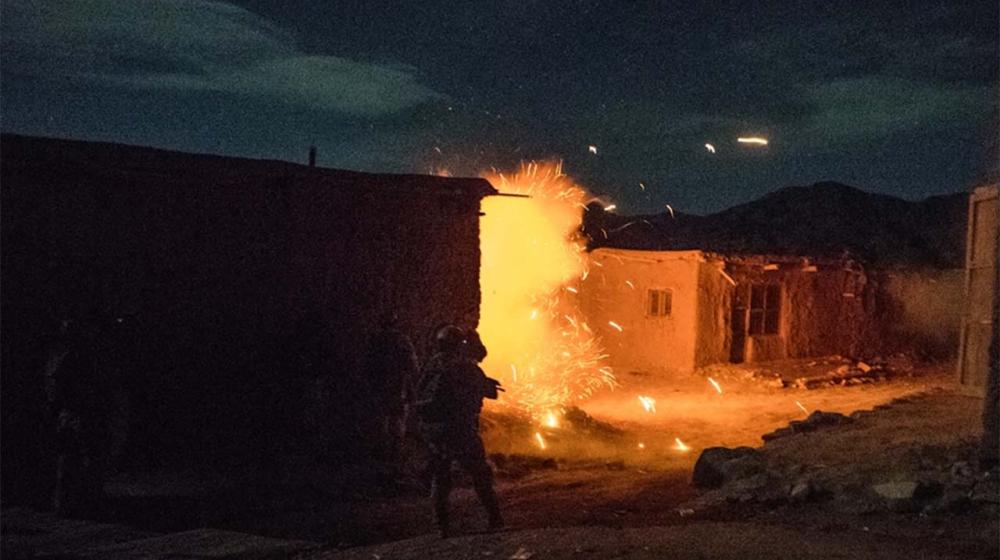
This Brief explores security risks for the EU emanating from Afghanistan by assessing the evolving Islamist terrorism threat since the Taliban regained control of the country in August 2021.
After many years of underinvestment in defence, EU Member States are rearming. This Brief reviews the record of European armaments collaboration and sets out under what conditions common defence acquisition and joint arms procurement make most sense (and when it does not).
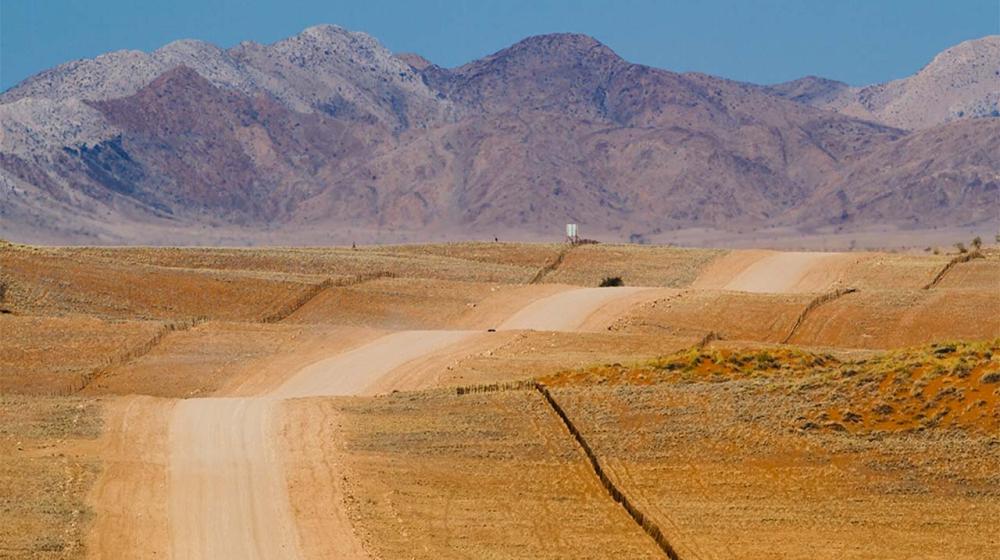
While it is a key pillar of the AfCFTA , transport connectivity has the potential to either advance or hinder peacebuilding and stabilisation efforts in Africa. This Brief examines the linkage between connectivity and conflict dynamics, and how conditions can be created to ensure...
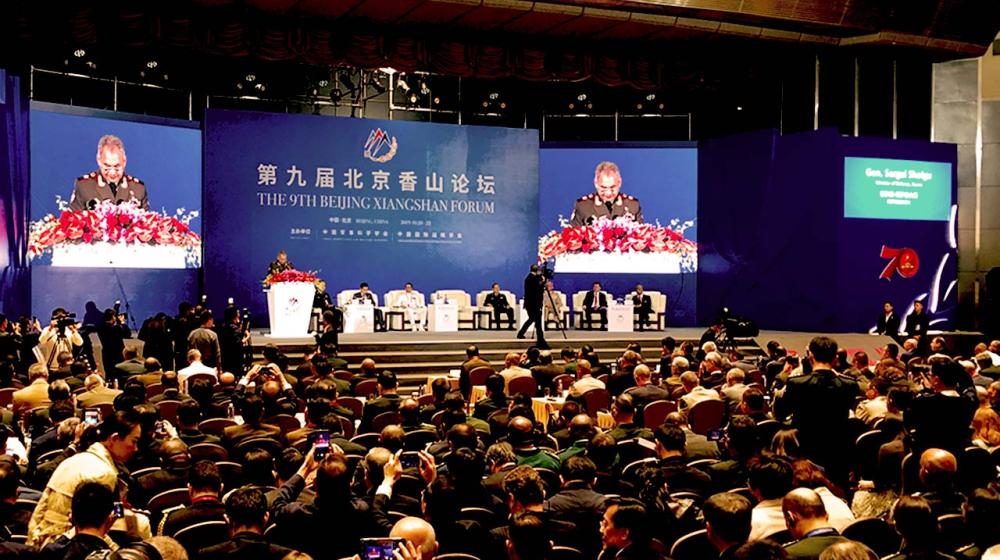
This Brief examines China’s newly-unveiled Global Security Initiative (GSI) and its significance as part of a larger diplomatic offensive to advance Beijing’s strategic agenda and promote an alternative security governance architecture.
In recent years both China and India have expanded their presence in the Middle East. This Brief shows however that their footprint in the Maghreb is primarily economic and remains light in comparison to that of the long-standing partner of the countries in the region: the EU.
This Brief analyses EU defence cooperation with key partners and makes suggestions for how these strategic partnerships might be further tailored and enhanced, including the idea of ‘Institutional nesting’ as a way to reconcile overlapping cooperation formats.
The Western Balkans are increasingly targeted by hybrid attacks. This Brief examines the threats destabilising the region, and the EU’s and NATO’s cooperation to counter them.
As the conflict in Ukraine continues to unfold, Türkiye is trying to perform a delicate balancing act. This Brief explores how Türkiye seeks to maintain equidistance from Russia and the West to assert its strategic autonomy while exploiting Russia’s current weakness to project...
Lying at the crossroads of Central and South Asia, Afghanistan constitutes a key transit hub. This Brief explores how tapping into regional trade, energy and transport connectivity around the country can yield significant benefits for the broader region.