Raising awareness of both existing and emerging foreign and security policy challenges facing the European Union, EUISS Briefs provide key information in a concise, focused format.
The AU-EU partnership, although vital for addressing transregional challenges, continues to be subject to tensions. We argue that cognitive biases play a significant role in perpetuating misunderstandings within the partnership.
In the wake of Russia’s war of aggression against Ukraine, Eastern countries have been increasingly exposed to FIMI tactics. We explore how the EU’s enlargement policy has been targeted by FIMI operations, and argue that the EUPM Moldova mission could serve as a blueprint for a...
Although increasingly touted as offering a solution to the worst effects of global warming, geoengineering technologies are controversial. But as the planet’s temperatures continue to rise, the EU must consider whether geoengineering could provide deliverance from our climate...
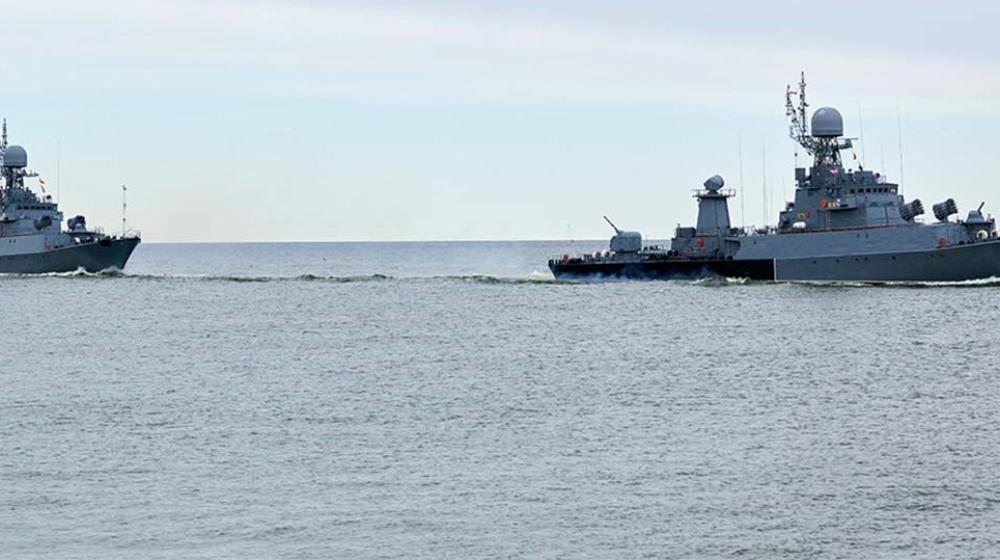
Russia’s full-scale invasion of Ukraine has significantly altered regional security dynamics in the Black Sea. We explore four potential scenarios for the next decade and argue that the EU needs to invest more in the security of the region.
Amidst a climate of mounting insecurity, it is vital for the EU to define its role in the increasingly complex political landscape emerging in the Horn of Africa and the Red Sea. We examine what strategic posture the EU should adopt vis-à-vis the region.
China and Russia have increased their military cooperation, regularly conducting joint exercises in or near disputed areas or adversaries’ waters. The EU must closely monitor the locations, nature and objectives of these exercises to gain insight into Moscow & Beijing’s...
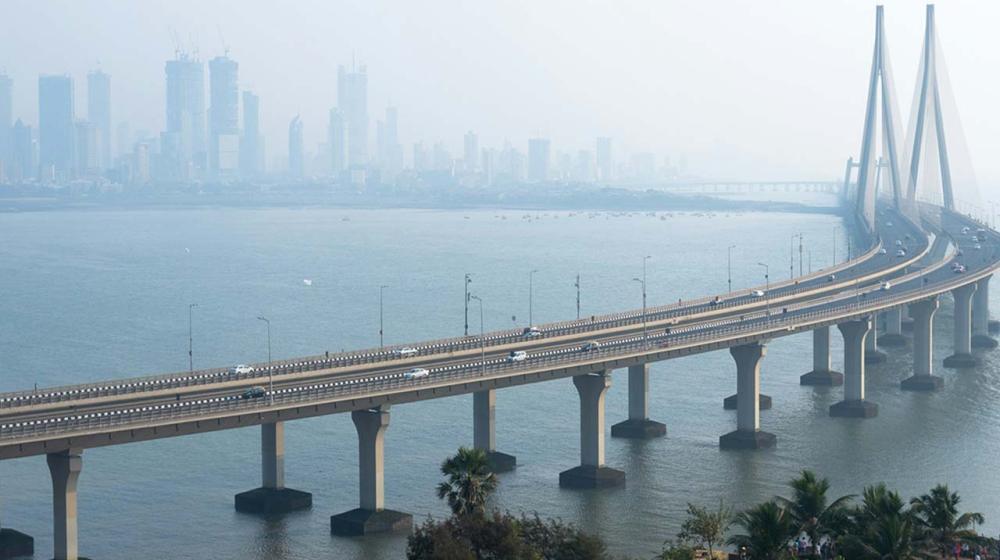
The ambitious India-Middle East-Europe Economic Corridor project aims to boost trade and connectivity between Asia and Europe. But the initiative faces geopolitical, financial & logistical challenges. How can the EU tap into the project's economic & geostrategic opportunities?
In its ambition to become a green energy and technology hub, the EU has to reckon with China’s dominance over clean tech supply chains. For the EU to achieve its goals, it must embrace emerging innovative technologies.
To restore its credibility, particularly in its pursuit of EU and NATO membership, Kosovo needs to demonstrate full alignment with Western policies. Sustained Western diplomatic engagement with both Kosovo and Serbia is essential in the coming months to prevent the already...
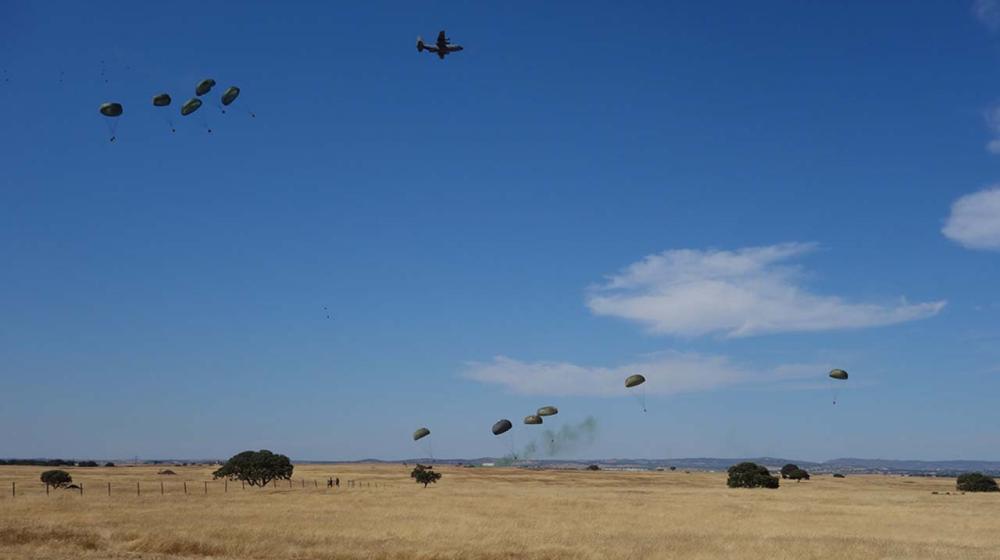
At a time of increasing fragmentation, Europe needs stronger security and defence partnerships. We argue that the EU should forge closer ties with countries around the world on key issues of common security. But for partnerships to deliver on security and defence, they must be...