Raising awareness of both existing and emerging foreign and security policy challenges facing the European Union, EUISS Briefs provide key information in a concise, focused format.
Myths and misconceptions often cloud conversations about green hydrogen’s role in the energy transition. A realistic approach is essential to build successful green hydrogen partnerships, starting with a firm grasp of the fundamentals of how we produce, transport and consume this...
For more than 20 years, the EU has deployed troops beyond its borders. But what has been the impact? At a time when the EU is faced with the challenge of taking on a larger role in security and defence, this Brief presents three alternatives for future EU military CSDP missions...
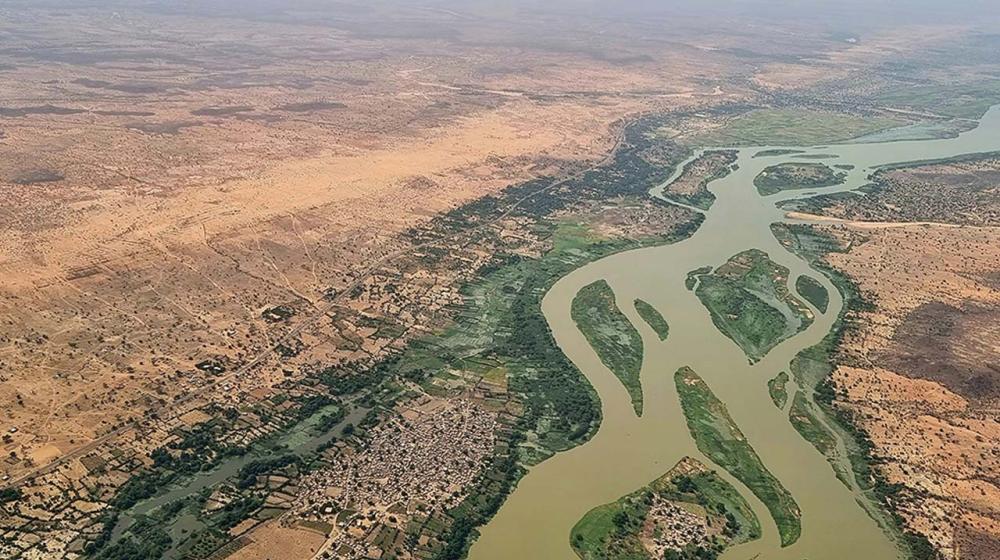
The recent series of military coups in the Sahel has led the EU to reassess its posture in the region. This Brief explores the challenges the EU faces in balancing strategic interests with its commitment to democratic values, and puts forward recommendations for future engagement...
This Brief analyses the EU’s conflict early warning and analysis system and its role in conflict prevention, and examines how it can be further strengthened to support the EU’s preventive action.
The EU and GCC have a long-standing partnership, but it has been hampered by institutional differences, contrasting values and priorities, and conflicting interests. This Brief explores what steps need to be taken to ensure that the partnership can realise its full potential.
This Brief examines the deteriorating security situation in the Sahel. It makes the case that by eliminating a key source of competition between rival factions, a focus on the protection of civilians may help to break the escalating cycle of violence in the region.
Ahead of the Council meeting of 14-15 December where the issue of enlargement will be at the top of the agenda, this Brief analyses the prospects for breaking the political and institutional impasse in Bosnia and Herzegovina. It argues that while the EU cannot fix the structural...
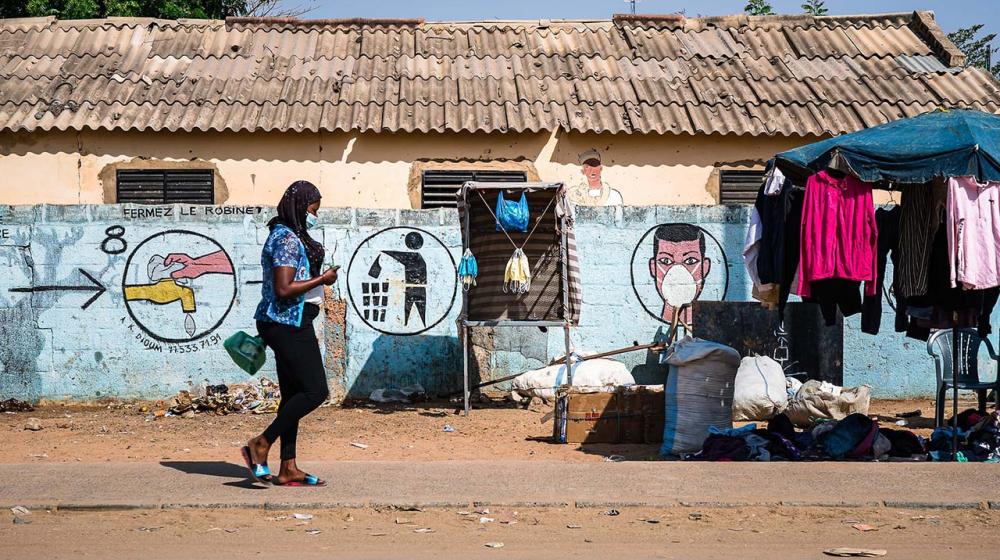
This Brief explores how countries’ resilience to foreign information manipulation and interference can be measured, focusing specifically on the context of West Africa, a fast-growing region that is experiencing political turmoil and a geopolitical realignment.
Although the bitter and protracted conflict over Nagorno-Karabakh is now over, the risk of further hostilities between Azerbaijan and Armenia remains high. This Brief argues that the EU should seek deeper strategic engagement in the altered geopolitical landscape as Moscow’s...
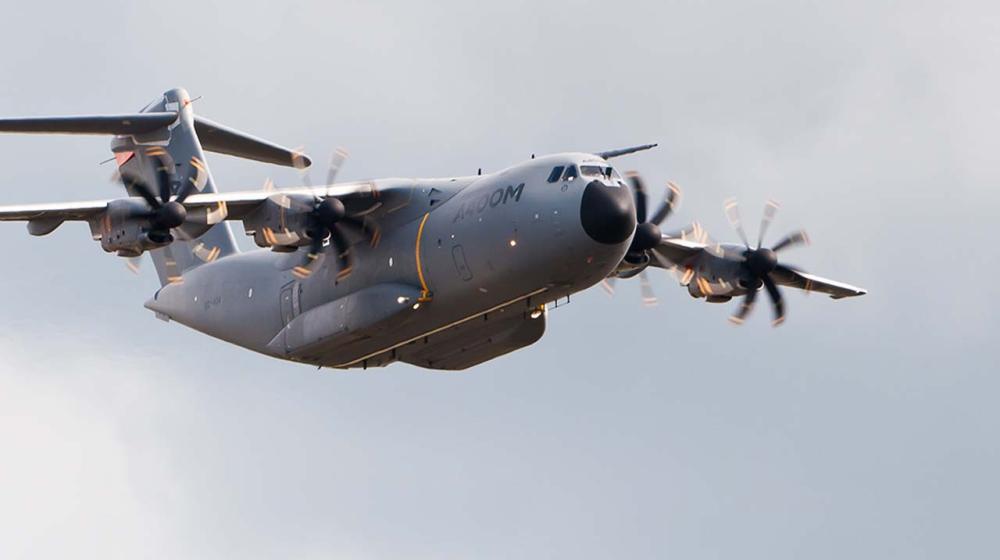
Against the backdrop of the biggest rearmament effort in Europe since the 1950s, this Brief examines whether the EU defence industry is as fragmented as is commonly believed. It argues that new EU initiatives should focus on strengthening long-term demand for critical strategic...