Raising awareness of both existing and emerging foreign and security policy challenges facing the European Union, EUISS Briefs provide key information in a concise, focused format.
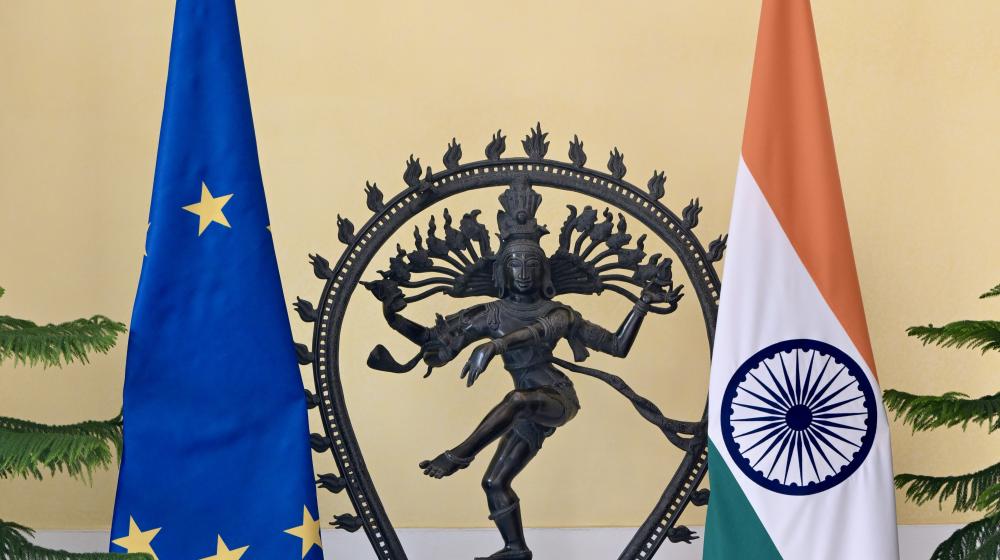
The EU and India are drawing closer in response to shared pressures, but divergent threat perceptions set clear limits. Cooperation works best through a modular approach, shifting beyond trade towards practical collaboration in defence, technology and economic security amidst a...
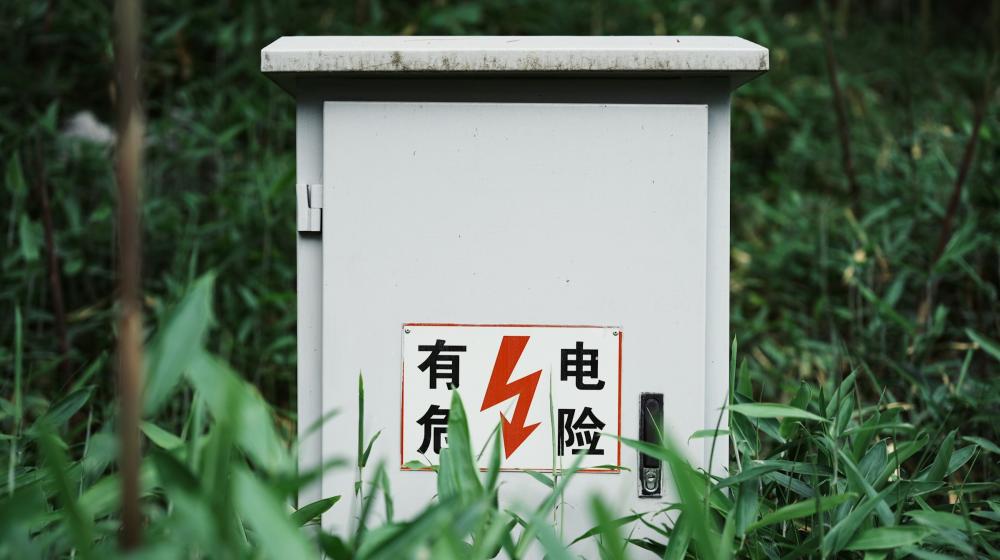
China is deeply embedded in Europe’s energy system, creating strategic and cybersecurity risks. The EU must de-risk its energy transition by tightening procurement, trade and cybersecurity rules, and prioritising European control over critical energy infrastructure.
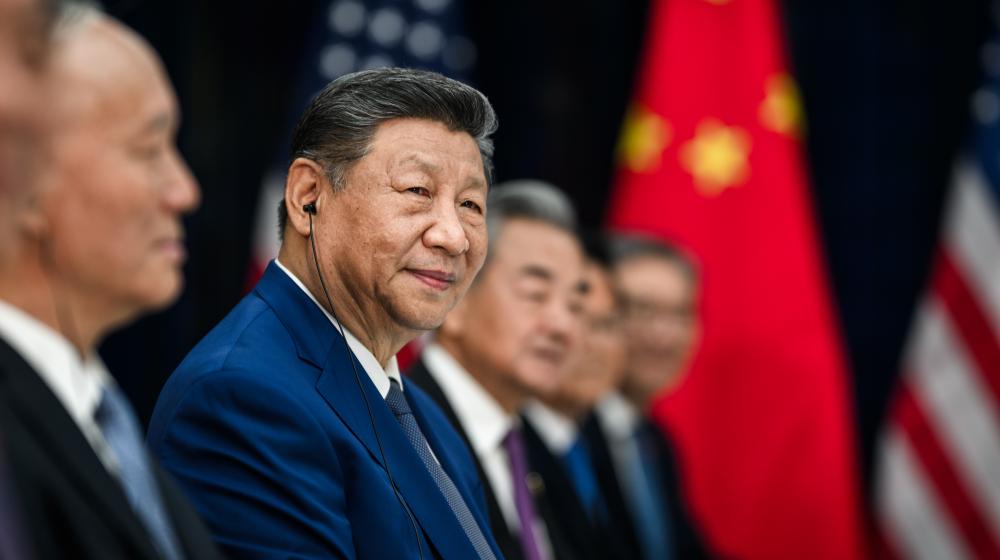
Beijing has reshaped the US-China tech war by weaponising critical minerals, forcing Washington to abandon non-negotiable controls in favour of G2-bargaining. Europe now faces growing dependence and exposure to economic coercion, and must reindustrialise with partners to protect...
The South Atlantic is emerging as a strategic arena connecting Africa and South America. Deepening security and economic ties, intensifying geopolitical competition and rising threats from organised crime create new challenges and opportunities for more proactive EU engagement.
The Sahel remains strategic for the EU amid the threats posed by terrorism, criminal networks and rising geopolitical competition. As multi-alignment reshapes regional partnerships, the EU must place diplomacy at the core of its renewed approach, focusing on shared interests...
Europe’s prosperity depends on secure Western Indian Ocean routes, yet governance remains fragmented. The EU can strengthen stability by supporting the alignment of vision, resources, and partnerships across a region where strategic competition is intensifying.
Europe’s fragmented cloud governance poses risks to its digital sovereignty. As ENISA works to unify standards, the adoption of a common certification scheme has become a political test of Europe’s ability to balance security, performance, and reliance on dominant American...
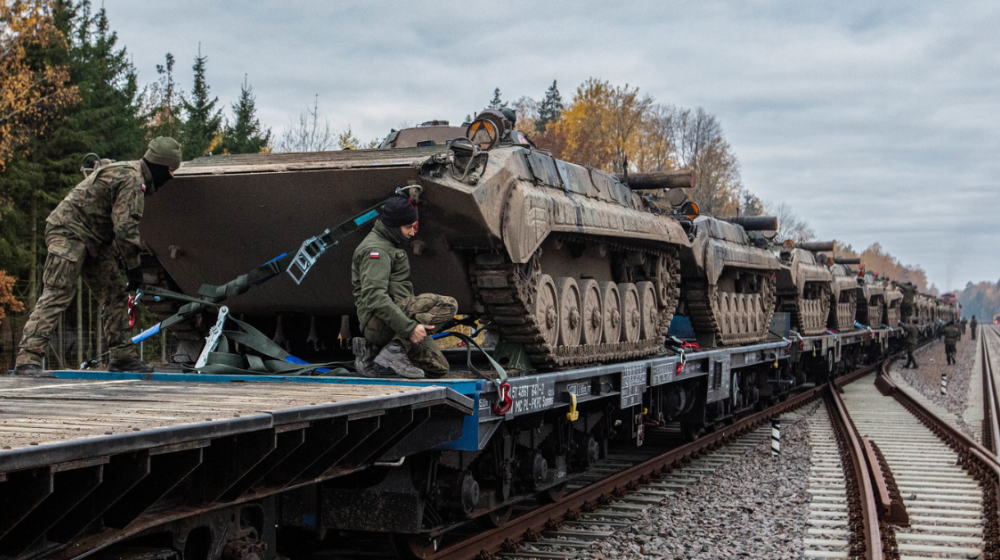
Rapid and efficient movement of troops and supplies is vital for Europe’s defence, but this is impeded by infrastructure gaps, limited transport assets and administrative barriers. The EU can drive a step change – by funding, coordinating, and embedding military mobility across...
Cognitive security calls for more than traditional defence measures. It requires a direct response to the strategic targeting of perception and knowledge in covert political warfare.
The 12-day Israel-Iran war in June 2025 profoundly altered the strategic landscape of the Middle East, leaving the risk of military escalation dangerously high. In this uncertain environment, Europe can still play a critical diplomatic role.