Our experts analyse the changing transatlantic relationship, covering relations with the United States, Canada, Latin America and the Caribbean. We examine how shifts in US foreign and security policy, geopolitical competition, and political and economic developments are reshaping the Americas and their relations with Europe, and what this means for European security and interests.
The momentum is there for Europe and Canada to take their partnership to a new level. A political agreement shaping the vision for 'associate membership' status, together with stronger sectoral cooperation, could enable them to do just that.
The transatlantic relationship has come under strain in 2026 but has not collapsed. Hopes that the US midterms will ease tensions may be misplaced. To navigate the next two years, Europe needs a versatile playbook that combines cooperation with resilience to coercion.
Europe does not need new trade defence measures to respond to China's export surge. It needs to use its existing powers more decisively to deter coercion, strengthen its negotiating position and restore competitiveness.
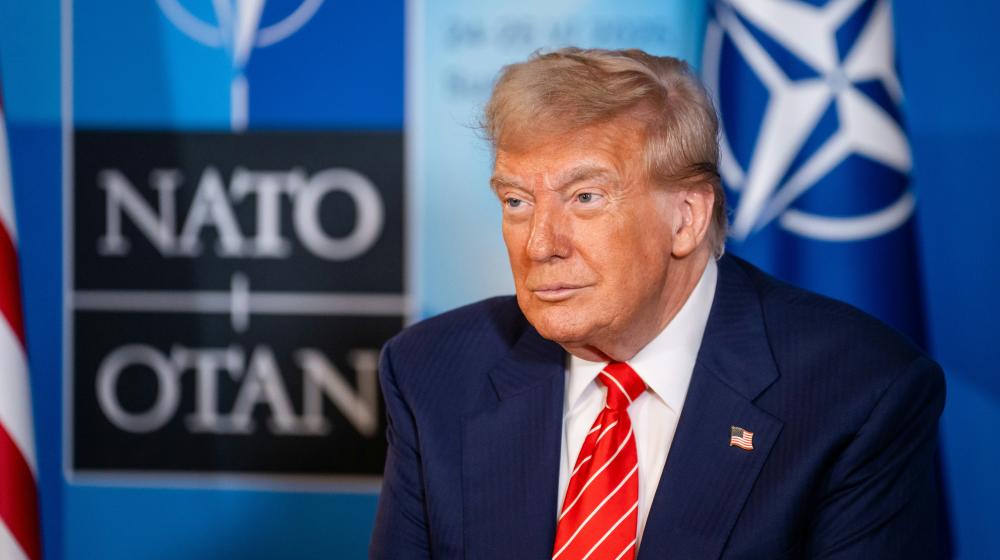
The NATO summit in Ankara in early July threatens to revolve around one question once again: how do we keep Donald Trump on board? Europe would be much better off focusing on its own plan for military deterrence.
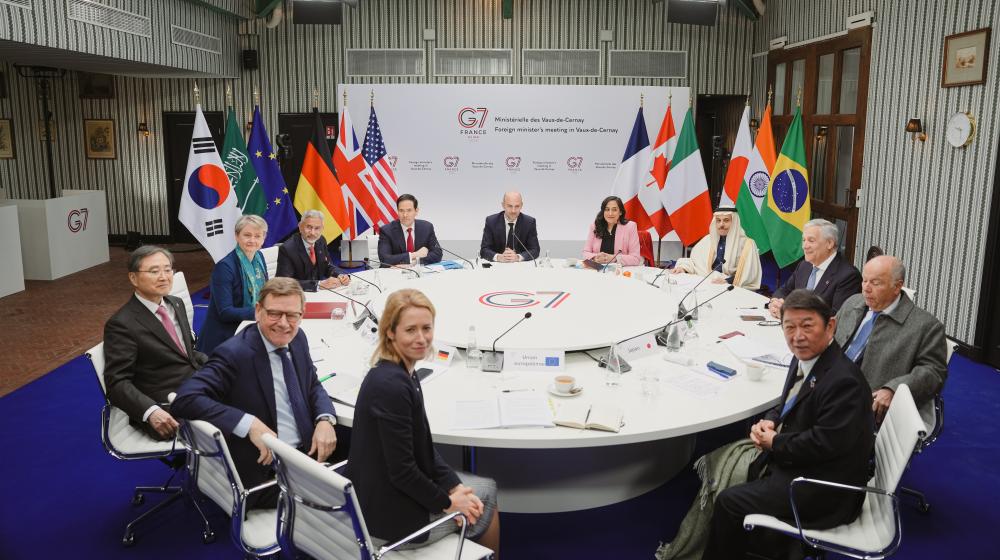
As G7 leaders gather in Évian, growing tensions between the US and its allies risk weakening the Western alliance just as China accelerates its global coalition-building efforts. The summit will test whether the G7 can renew strategic entente in an increasingly contested world.
The Caribbean is facing major geopolitical upheaval as the US increases pressure on Venezuela and Cuba. Regional actors are recalibrating their strategies in response. The EU should not ignore this region given its relevance to Europe’s own security.
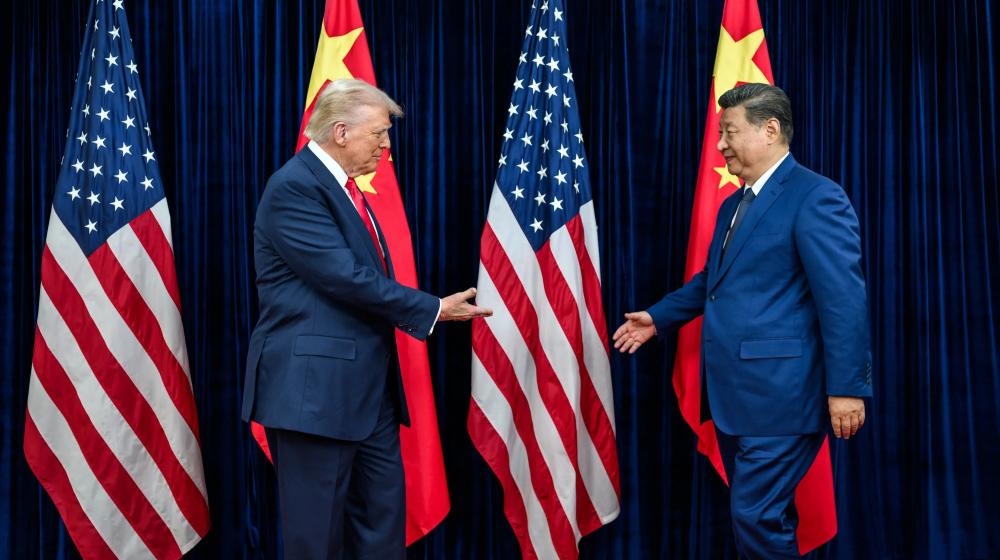
Trump and Xi are unlikely to strike a grand bargain in Beijing. Instead, the summit will centre on managing rivalry, preserving fragile trade and technology truces, and containing geopolitical tensions that could further destabilise the global economy.
Trump’s decision to withdraw US troops and cancel missile deployments to Germany creates new gaps in European security. Europe must strengthen its long-range strike capabilities, prepare for further US retrenchment and build support for stronger deterrence.
Donald Trump’s second term has defied expectations of isolationism. This interactive publication uses data and visuals to map the main axes of US foreign policy under Trump 2.0: military intervention, the ‘peace-business’ nexus, trade deals, and defence ties with Europe.
The Global Risks to the EU survey highlights the most acute security risks facing the EU in 2026, as assessed by European experts. A hybrid attack on EU critical infrastructure tops the risk list, alongside threats from Russia and a US withdrawal of security guarantees.