Raising awareness of both existing and emerging foreign and security policy challenges facing the European Union, EUISS Briefs provide key information in a concise, focused format.
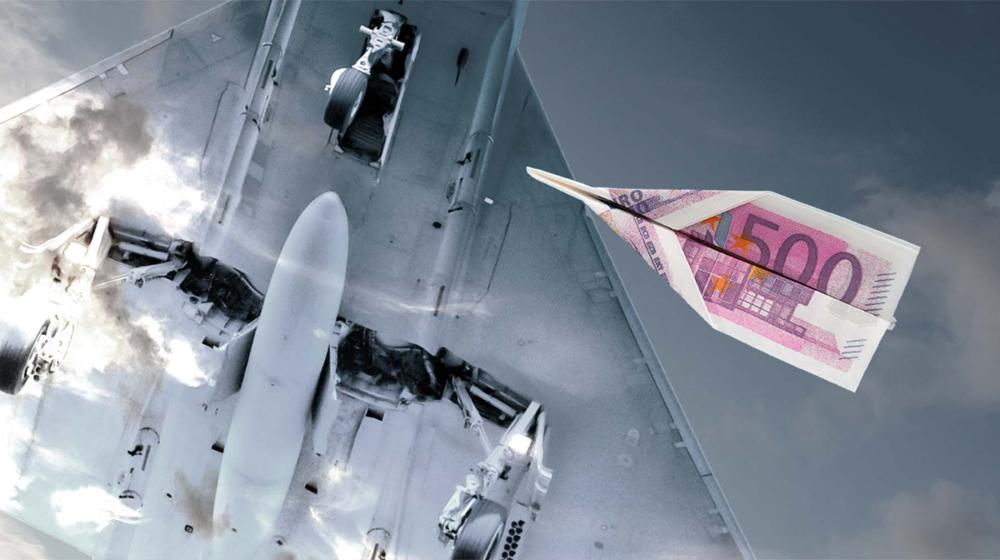
The EU needs to assume ‘strategic responsibility’ in defence, and there is now growing political support for higher EU-level defence spending. This Brief examines how the EU can develop and fund capabilities of common interest at the European level – capabilities that individual...
The Gulf of Guinea’s resources, economic potential and strategic location make it a vital area for maritime security. While piracy has declined, threats like illegal fishing, trafficking and terrorism persist. This Brief presents three scenarios with recommendations for the EU to...
The US’s three main adversaries– Russia, China and Iran – actively sought to influence the outcome of the 2024 presidential election. This Brief examines the various tactics that they employed, arguing that the EU can learn from innovative strategies put in place by the US...
The EU is increasingly concerned about strategic dependencies on Chinese technology, particularly with regard to China’s output of legacy semiconductor chips. This Brief explores what steps the EU can take to build resilience against economic security risks in this domain.
In the aftermath of the October parliamentary elections in Georgia, the EU should refrain from restoring normal relations in exchange for minor concessions from the government. We argue that it should instead prioritise support for the social forces and independent media that...
The Indo-Pacific, a region marked by complex geopolitics, faces unique challenges in ensuring the security of its submarine cables. For the EU, the vulnerability of undersea communications cables poses a strategic risk, calling for more proactive measures to protect this critical...
Using the concept of bricoleur, drawn from French social theory, we explore how Russia deploys a range of improvisational tactics to disrupt the existing global political order.
Drones have become ubiquitous in conflicts, from the wars in Ukraine and Gaza/Israel/Lebanon to the civil wars in Sudan, Syria and Myanmar. We explore the impact of drones on modern warfare and how the EU should respond to their growing prominence on the battlefield.
The AU-EU partnership, although vital for addressing transregional challenges, continues to be subject to tensions. We argue that cognitive biases play a significant role in perpetuating misunderstandings within the partnership.
In the wake of Russia’s war of aggression against Ukraine, Eastern countries have been increasingly exposed to FIMI tactics. We explore how the EU’s enlargement policy has been targeted by FIMI operations, and argue that the EUPM Moldova mission could serve as a blueprint for a...