Europe’s energy system is under strain. Mounting threats to critical infrastructure highlight the need to shift from reactive measures to proactive resilience. To safeguard its energy future, Europe must fast-track infrastructure development through coordinated planning at the EU...
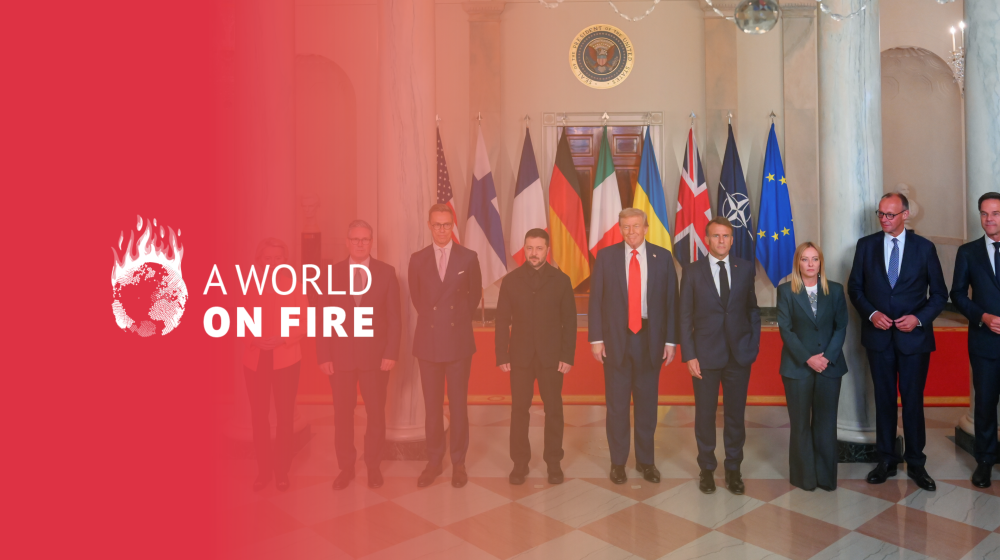
After the high-stakes Alaska and Washington summits, Europe has managed to hold the line, buying time and keeping Ukraine at the centre of transatlantic diplomacy. Yet, Trump’s commitment remains a doubt, Putin will continue to disrupt the process and the battle over security...
The launch of China's DeepSeek R1 model marks a pivotal moment in the global AI landscape. This breakthrough highlights China's technological resilience and growing capacity to challenge US leadership in AI innovation, signalling a shift towards a more plural AI ecosystem.
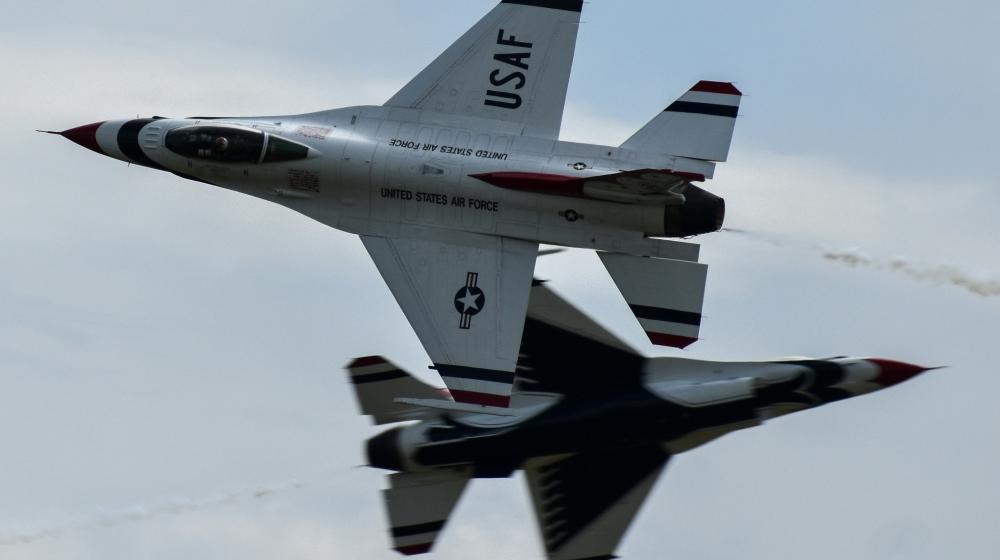
The US National Defense Strategy and force posture reviews are expected by the end of the summer. Despite President Trump's recent shifts in policy on Ukraine, these documents will likely carry a message of restraint, calling for a significant reprioritisation of US resources and...
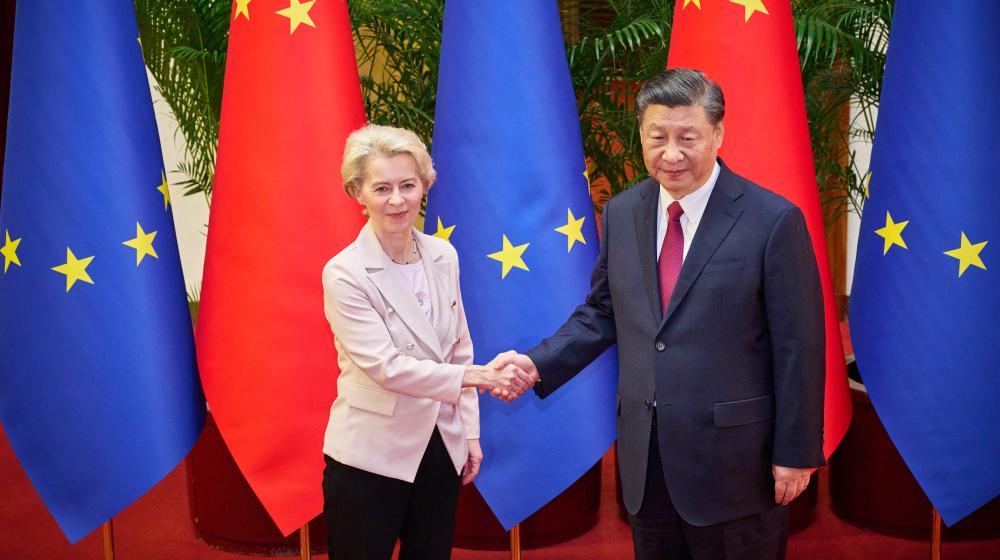
The upcoming EU-China summit may give the impression of business as usual. But the geopolitical context has changed. Beijing may be recognising that, despite transatlantic strains, fundamental EU–China divergences remain unchanged.
The EU can use digital diplomacy to more effectively counter disinformation in Georgia and Armenia, where both foreign and domestic actors increasingly target its activities and interests. An innovative approach, based on AI-enhanced social listening, can help it navigate these...
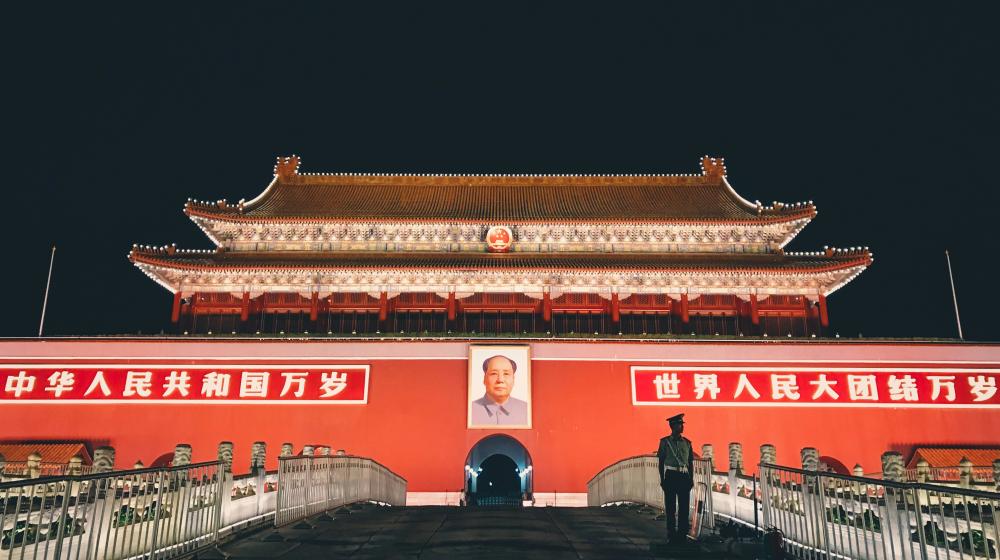
As the upcoming EU-China summit in Beijing approaches, China shows little willingness to make significant concessions to the EU. Clearly Beijing does not see the EU as a priority partner – even less so today than in the past. It is wooing the 'Global South', with a clear and...
The launch of negotiations on a Free Trade Agreement between the EU and the UAE in April 2025 marks a shift in the EU's approach to engagement with the Gulf Cooperation Council (GCC) and its member states. After over three decades of stalled bloc-to-bloc talks, and in a climate...
Europe faces a security and competitiveness crisis. Increased defence spending offers an opportunity to address both challenges, unleashing a dual-use technology boom. Both the EU and its Member States have key roles to play in this effort.
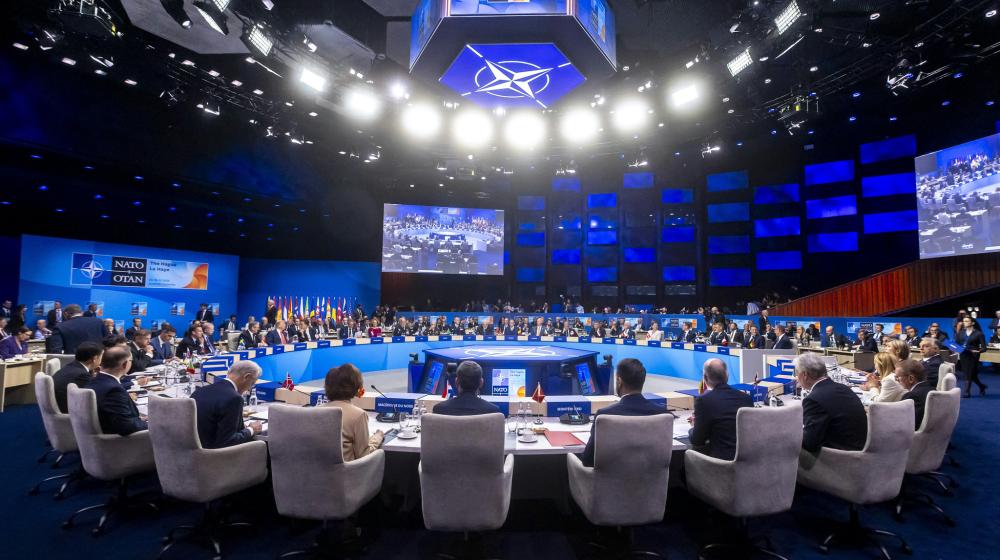
In the wake of the NATO summit at The Hague, doubts over America’s commitment to European security will persist. Ultimately, this is what US disengagement looks like. Europeans must adapt to this new reality and take greater responsibility for their own defence.