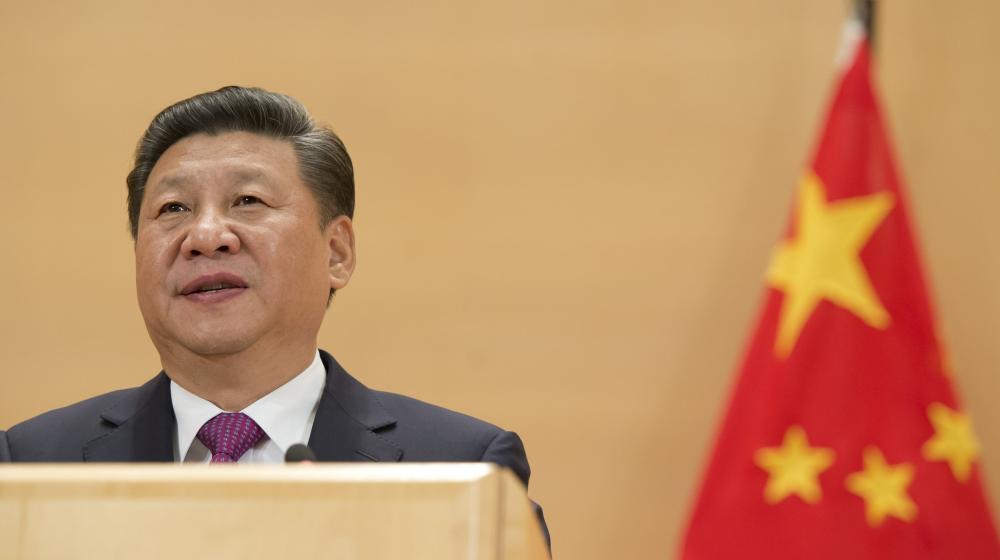
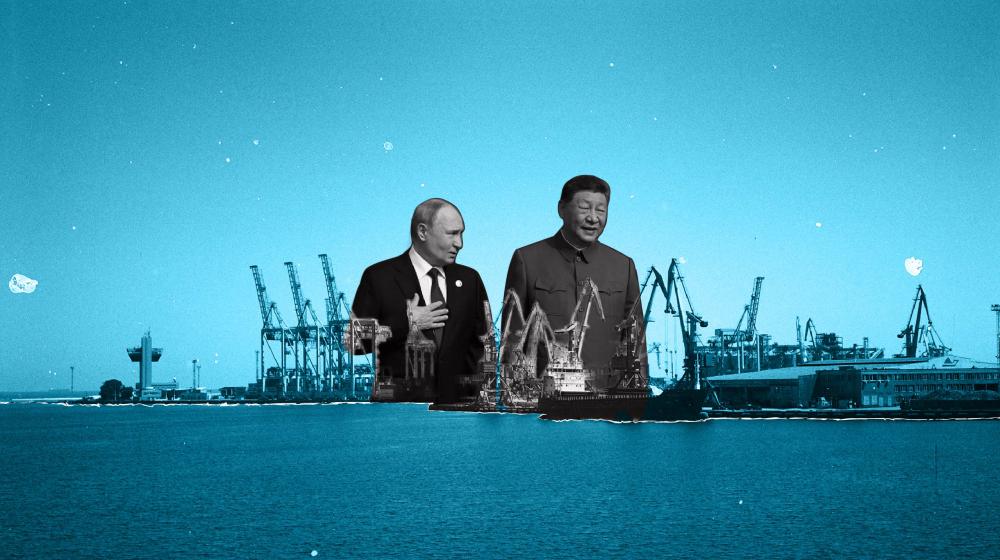
Critics blame Europe’s ‘summer of humiliation’ on the EU’s timidity in trade negotiations with President Trump. Yet the greater threat to European prosperity is Beijing’s twin strategy of flooding markets with cheap goods while weaponising supply chains.
Cognitive security calls for more than traditional defence measures. It requires a direct response to the strategic targeting of perception and knowledge in covert political warfare.
The 12-day Israel-Iran war in June 2025 profoundly altered the strategic landscape of the Middle East, leaving the risk of military escalation dangerously high. In this uncertain environment, Europe can still play a critical diplomatic role.
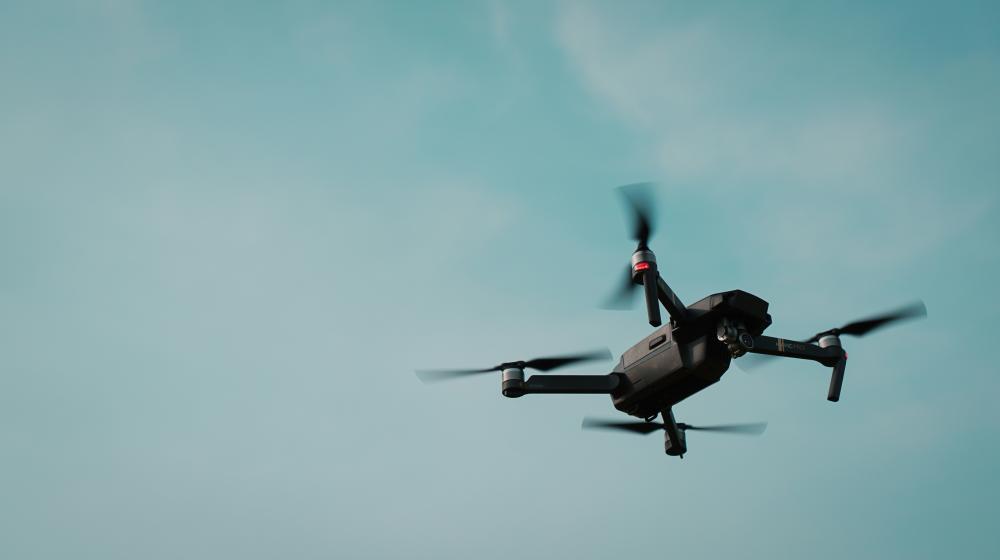
In the recent drone attacks, it was always small groups of European countries that took action. Not all important decisions are made by all 27 EU Member States.
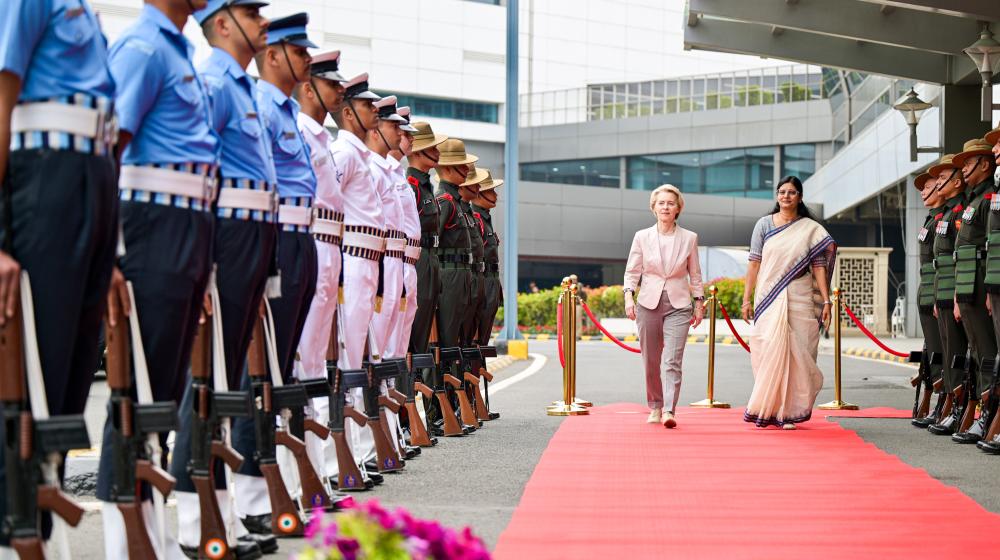
Despite polished summits and ambitious rhetoric, the EU–India partnership risks drifting without purpose. To unlock its potential, both sides need clarity, focus and realism.
As he concludes his mission as Head of the EU Delegation in Myanmar, Ranieri Sabatucci reflects on the country he first encountered and the one he is leaving behind.
Europe’s problem is not a lack of resources or unity, but a lack of courage. Unless it shows resolve, it risks remaining a plaything of the US and China.