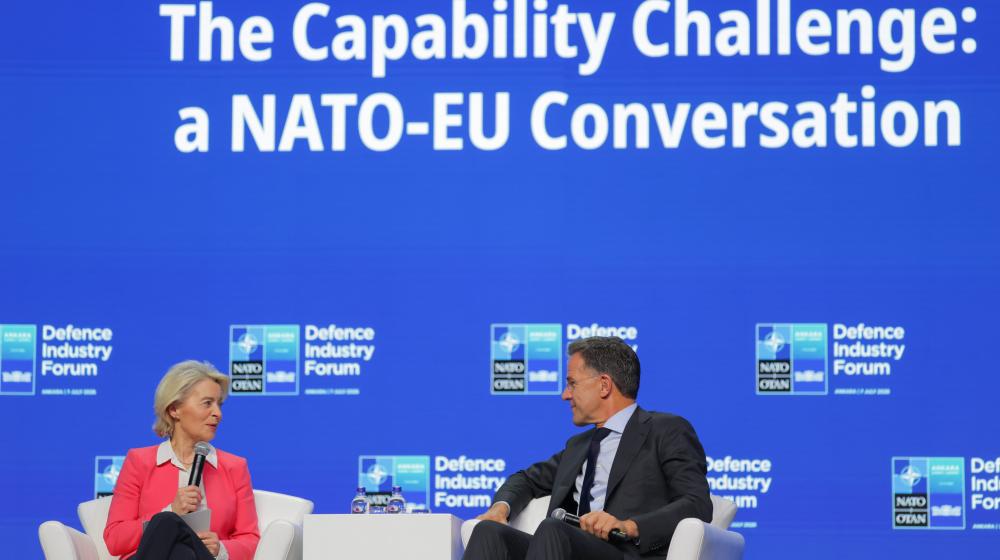
Following NATO's summit in Ankara, Europe must move beyond capability development. It is time to assume leadership for defence planning, rehearse for fighting with less US support, and ensure coherence between the various political frameworks.
Europe does not need new trade defence measures to respond to China's export surge. It needs to use its existing powers more decisively to deter coercion, strengthen its negotiating position and restore competitiveness.
Europe has strengthened its resilience and preparedness, but efforts remain fragmented. An EU resilience planning capability would improve coordination, strengthen civilian-military cooperation and help make resilience a core pillar of European deterrence and defence.
As China exerts growing economic and strategic pressure on Europe, the EU continues to delay difficult decisions. How can Europe defend its interests against a power that increasingly uses trade, technology and economic interdependence for political purposes?
As Russia tightens its grip on Belarus, the country is becoming a growing source of military pressure and intimidation against Europe. The EU must respond with a balanced strategy of pressure, conditional incentives and support for democratic forces.
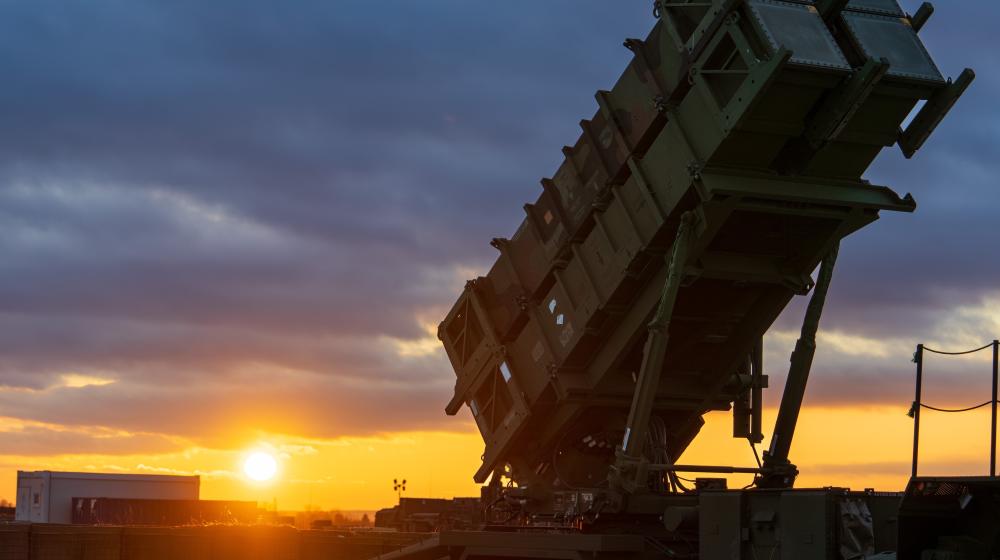
Europe is facing years of maximum danger. In an era of reduced US engagement, strengthening deterrence against Russia requires strengthening three interlocking foundations: resources, readiness and resolve.
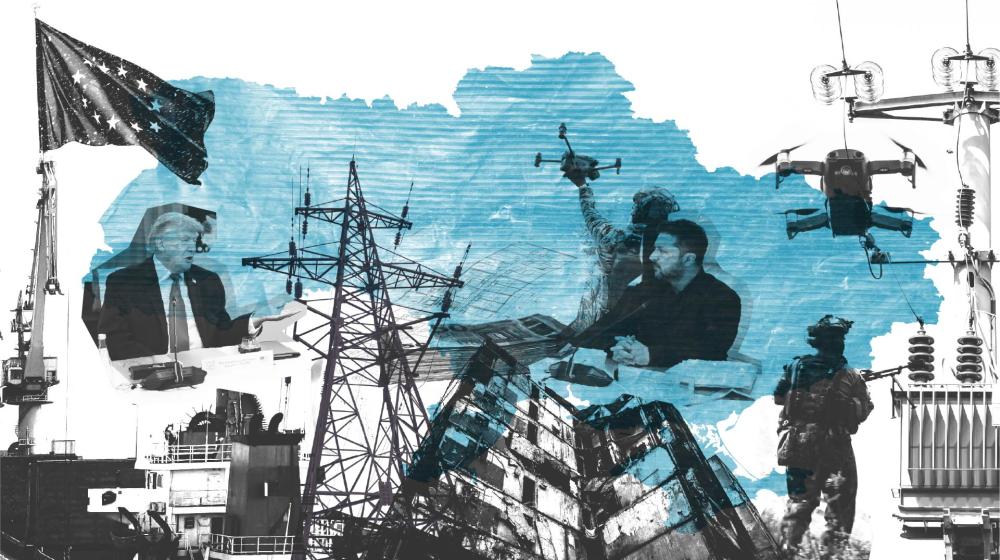
The NATO summit in Ankara in early July threatens to revolve around one question once again: how do we keep Donald Trump on board? Europe would be much better off focusing on its own plan for military deterrence.
The EU-Western Balkans Summit highlighted renewed momentum for enlargement. Yet ongoing political crises, governance shortcomings and regional tensions show that successful integration will depend as much on domestic reforms and stability as on geopolitical ambition.
Nikol Pashinyan’s election victory keeps Armenia on a pro-European course despite intense Russian pressure. Yet his failure to secure a constitutional majority leaves the peace process with Azerbaijan vulnerable, underscoring the need for sustained EU engagement.
As G7 leaders gather in Évian, growing tensions between the US and its allies risk weakening the Western alliance just as China accelerates its global coalition-building efforts. The summit will test whether the G7 can renew strategic entente in an increasingly contested world.