The transatlantic relationship has been the cornerstone of the EU’s foreign and security policy. However, in a context where some in the US are looking inwards and questioning the values and institutions their country has built internationally, expectations on Europe have increased. The rise of new global power centres has added a new dimension to transatlantic debates, and both sides of the Atlantic must redefine the relationship to preserve security and prosperity, as well as maintain influence in an emerging international system where the 'West’– may no longer be dominant.
The EU has also cultivated and institutionalised relations with Canada and many countries of Latin America and the Caribbean (LAC). Recent changes in the international context have made the EU a more attractive partner to LAC countries, which are facing economic slowdowns, rising criminality and problems related to the rule of law. However, the increasing contestation of democratic values (which used to bind LAC countries together) has put regional institutions under pressure and strained relations with the EU.
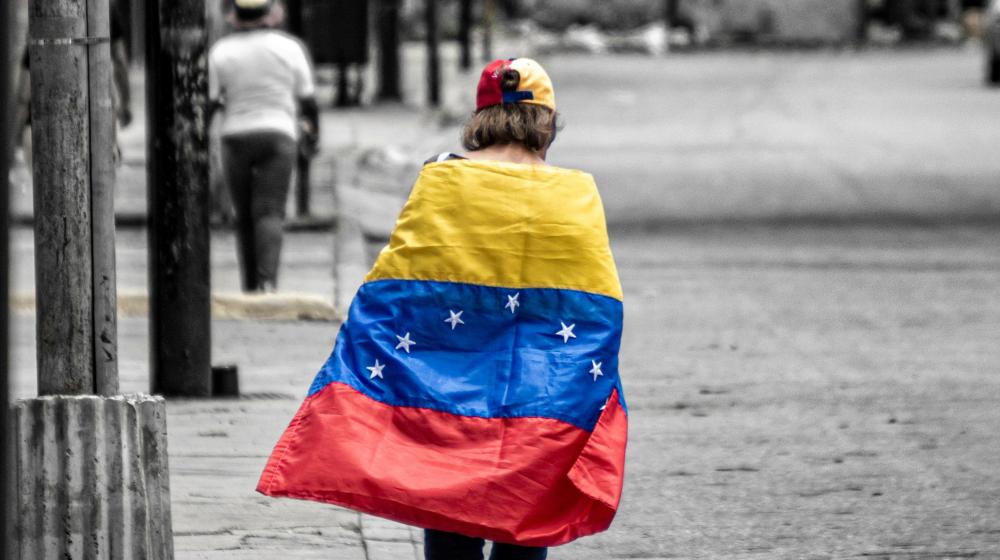
The US ousting of Maduro generates new uncertainties for Venezuela and the Caribbean. Several pathways could lead to regional instability, with direct consequences for European interests and partners. Europe must be prepared for rapid and potentially disruptive change.
The South Atlantic is emerging as a strategic arena connecting Africa and South America. Deepening security and economic ties, intensifying geopolitical competition and rising threats from organised crime create new challenges and opportunities for more proactive EU engagement.
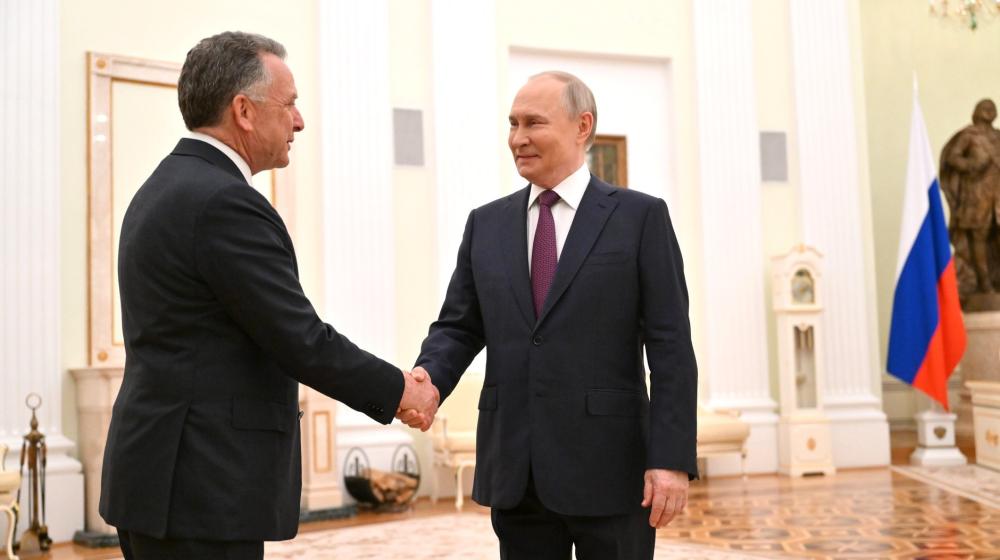
As Washington’s overtures to Moscow grow, the EU risks being sidelined. Europe must adopt a more transactional strategy to safeguard its security and secure a voice in shaping the continent’s future security.
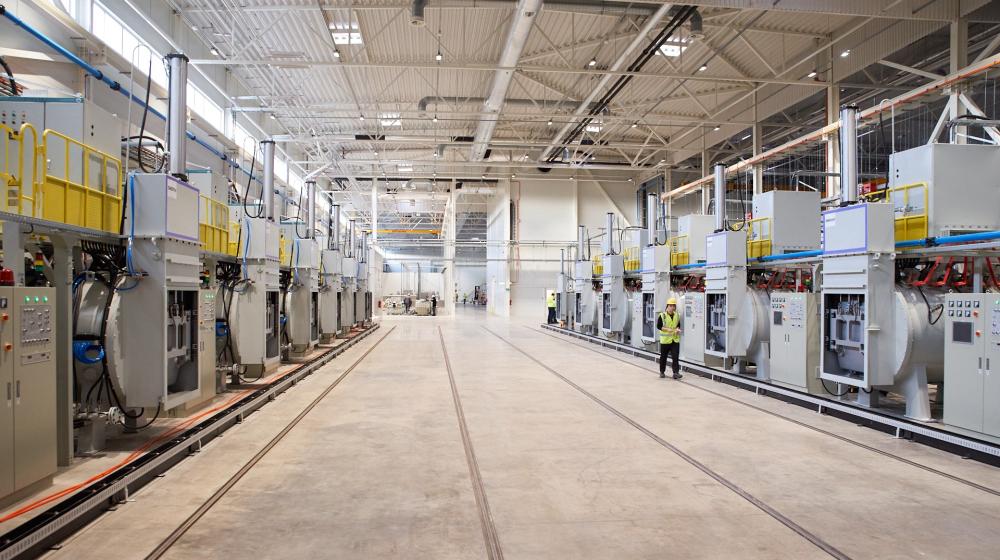
Talk of a US–China 'trade truce' may lull Europe into a false sense of security. Beijing's export controls on rare earths and critical materials remain disruptive, unpredictable and coercive. Unless the EU accelerates de-risking, its industries and defence sector will stay...
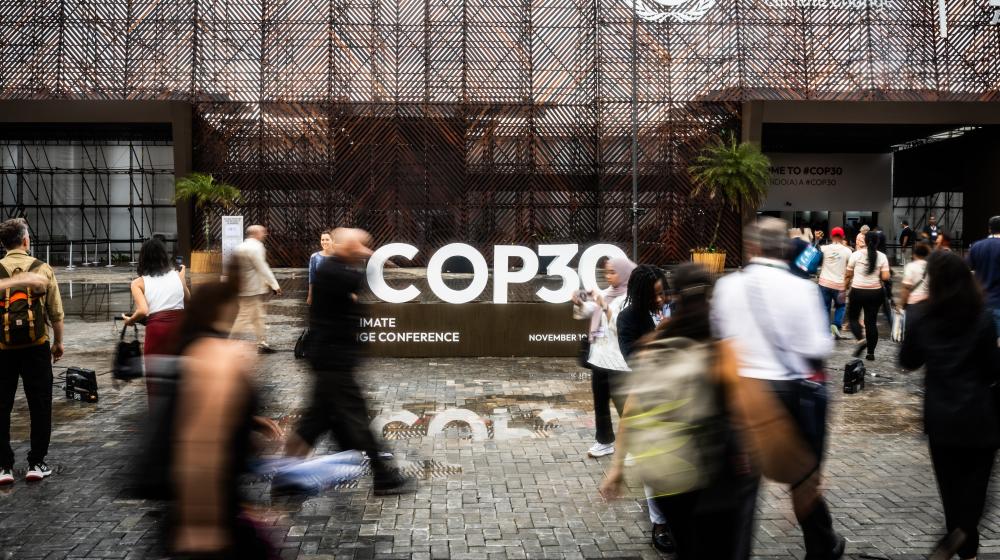
As global climate ambition stalls and geopolitical rivalry deepens, the EU faces a choice: retreat or compete. Europe must recast climate diplomacy as a strategy for energy security and industrial strength – and seize its chance to lead.
A major US military build-up is under way in the Caribbean, officially to target drug-trafficking networks. But the scale of the deployment raises questions about possible regime-change ambitions in Venezuela and reflects the broader foreign-policy experiments shaping Trump’s...
The transatlantic relationship has changed profoundly. Europe must recognise it and act accordingly. We explore how the EU can move transatlantic relations forward in an age of low trust, and how other US allies across the world are tackling the disruptions of Trump 2.0.
The US National Defense Strategy and force posture reviews are expected by the end of the summer. Despite President Trump's recent shifts in policy on Ukraine, these documents will likely carry a message of restraint, calling for a significant reprioritisation of US resources and...
Ukraine should be able to say no to a bad deal between Trump and Putin. This is achievable, provided we focus on what truly matters and realise that Ukraine holds more cards than Trump may think.
Diverging US and European approaches to ending the war in Ukraine are increasingly apparent. Europe must rise to the challenge and exert pressure on Russia to accept ceasefire terms that will lay the groundwork for a sustainable peace – a real peace grounded in geopolitical...