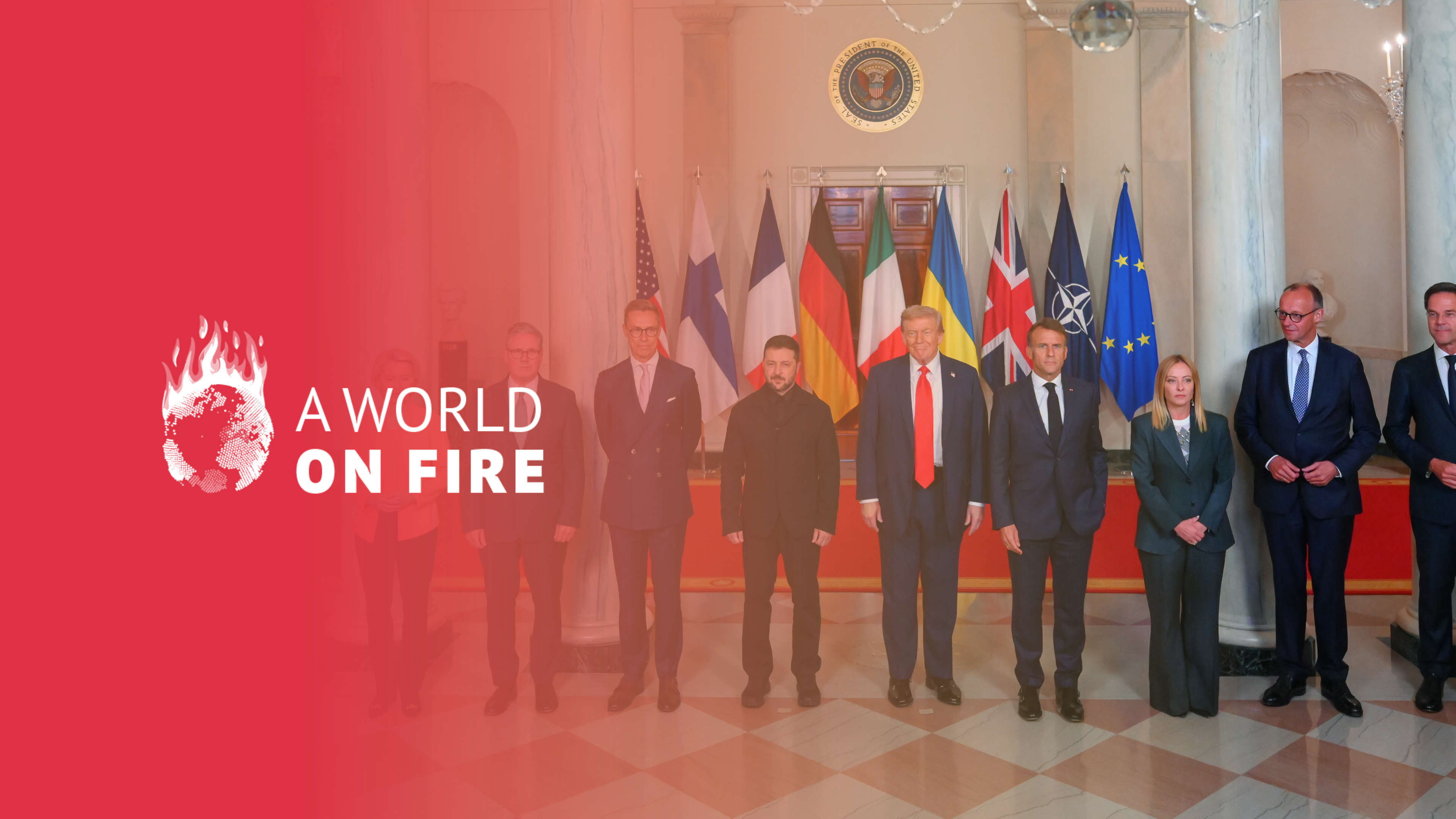
Where do we stand after the Alaska and Washington Summits?
After the high-stakes Alaska and Washington summits, Europe has managed to hold the line, buying time and keeping Ukraine at the centre of transatlantic diplomacy. Yet, Trump’s commitment remains a doubt, Putin will continue to disrupt the process and the battle over security guarantees is only beginning. Four snapshots from EUISS experts capture where we stand.
This G7 Summit will decide if the West still exists
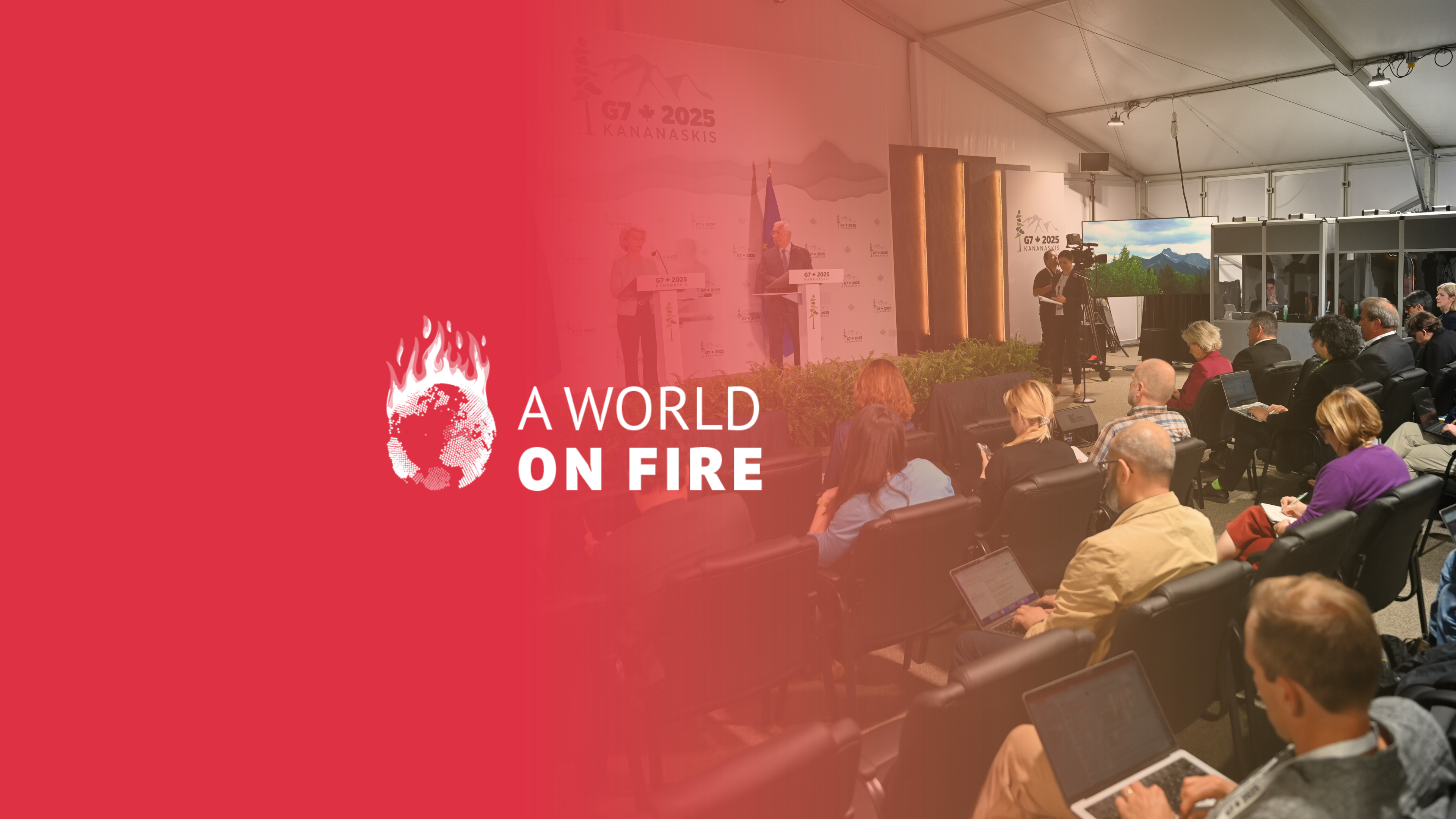
With Trump as a volatile factor who openly flirts with Russia, the future of the G7 is at stake.
Does Europe feel the urgency, or does it sink into defeatism?
Ukraine should be able to say no to a bad deal between Trump and Putin. This is achievable, provided we focus on what truly matters and realise that Ukraine holds more cards than Trump may think.

Parlour tricks will not win peace in Ukraine: to achieve it, Europeans need to go ‘full Martian’
Diverging US and European approaches to ending the war in Ukraine are increasingly apparent. Europe must rise to the challenge and exert pressure on Russia to accept ceasefire terms that will lay the groundwork for a sustainable peace – a real peace grounded in geopolitical realities, not an illusion achieved through cheap parlour tricks.
Keep calm and carry on: The EU’s energy transition should not bow to Trump
In the face of shifting US politics and fossil fuel pressures, the EU must hold steady on its energy transition. It's methodical, rules-based approach to climate and energy policy is not just an asset—it’s a geopolitical strength.

Getting closer to China because of Trump? Sounds logical but it's wrong
Europe must beware of the trap of the 'China option' as an automatic response to Trump's hostilities. What Europe has to do is play a smart game and seize Chinese attempts at a rapprochement to obtain real concessions.
To survive Moscow, Beijing, and Washington’s economic onslaught, Europe must reindustrialise
With the advent of Trump’s tariffs, the EU has once again found itself caught in the crossfire of great power geo-economic ambitions. It must respond by prioritising EU and partner industries, cutting red tape, and boosting energy production.
By Joris Teer
NATO's 76th anniversary: What's the future of the alliance?
The best way for NATO to survive might be to make its structure less reliant on the US. European countries and Canada can do so by increasing their share of the defence burden and by developing European capabilities.
The EU must now respond politically to Trump
Trump’s trade tariffs will hit Europe hard. The genius of European integration was its tendency to depoliticise. But with Trump this will not work. It is time for a strong political response by the EU. This is a fight for power, not policy.