In terms of negotiations, Europe seems to be on the sidelines in the conflict with Iran, yet it bears the consequences. That must change and it can, Steven Everts argues, if Europe takes the diplomatic lead.
Europe’s reliance on Chinese pharmaceutical products leaves it dangerously exposed. To reduce risk, the EU must protect domestic production, diversify supply chains, and invest in innovation to strengthen resilience and strategic autonomy.
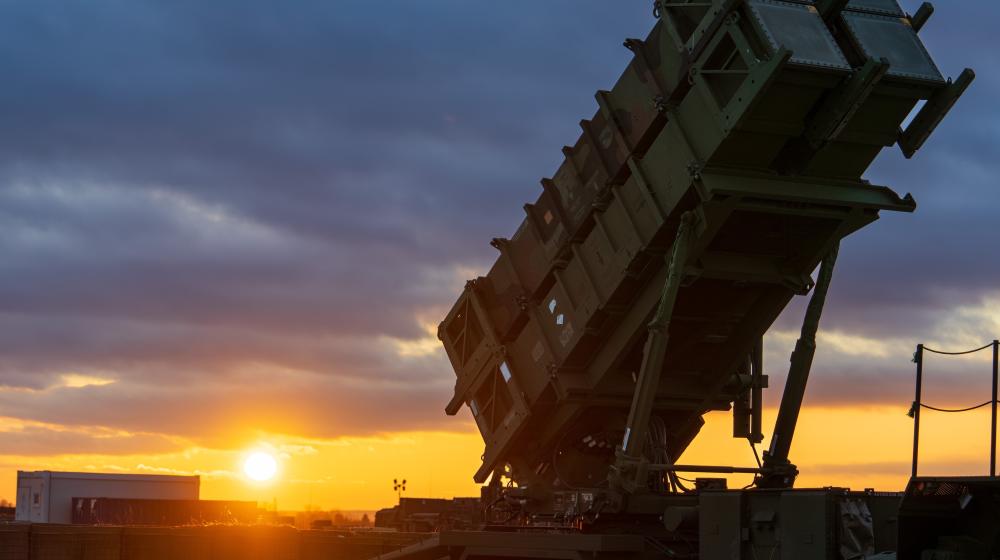
The US-Iran war exposes the risks of Europe’s reliance on US support for their defence ramp-up. Europeans must secure their rearmament by boosting domestic production, deepening cooperation with Ukraine and anchoring US production in Europe.
The Gulf war signals a shift in energy geopolitics, where control of oil and gas drives power. Facing renewed vulnerability, the EU must choose between continued dependence or accelerating domestic energy transformation to enhance resilience, competitiveness and autonomy.
The US-Israel war on Iran is reshaping EU–Gulf relations, eroding trust in Washington’s security guarantees and opening a narrow window for the EU to deepen engagement with the region.
France’s plan to expand its nuclear arsenal and deepen cooperation with European partners marks a step towards ‘Europeanising’ deterrence. But stronger conventional forces and clearer strategies for managing escalation will be key for making Europe’s deterrence posture credible.
The US and Israeli strikes on Iran have triggered a dangerous spiral of escalation. The war is having an immediate impact on Europe’s security and is sending shockwaves across the Middle East and around the globe, as well as unsettling global oil markets.
As Russia's war of aggression against Ukraine enters its fifth year, the EU should tighten the screws and align its policy instruments within a coherent strategy that contributes to a just and lasting peace.
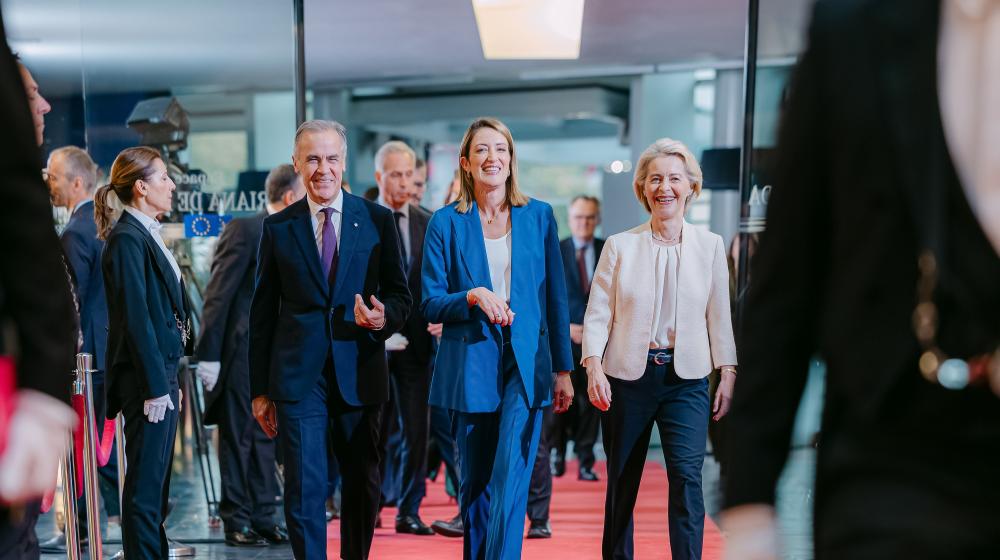
The renewed debate over a European Security Council underscores Europe’s search for more effective decision-making in security policy. The most realistic way forward is strengthening existing formats rather than constructing an entirely new institution.
Branded as multilateral, the Board of Peace risks hollowing out multilateral legitimacy by centralising power and sidelining existing institutions. Gaza is its first test. For the EU, being ‘inside the room’ may mean influence without authority; real leverage will come from...