The war in the Gulf marks a decisive shift in global energy geopolitics as the US pursuit of energy dominance converges with Iran’s efforts to command regional oil and gas flows. Consequently, long-standing assumptions about the reliability of oil and gas markets are fading, as control over energy flows becomes a routine instrument of geopolitical leverage.
As energy plays an increasingly central role in foreign policy, the EU finds itself faced with a choice. Should it continue on a track of continued dependency or carve out a new path with positive consequences for its domestic competitiveness and global standing?
Energy dominance as foreign policy
The US narrative of energy dominance, based around domestic oil and gas, now extends to influencing global energy flows. While the Trump administration often appears to lack an overarching strategy, its approach to energy policy has been relatively consistent, shaped by domestic priorities.
Within the US, the Trump administration continues to promote a narrative of energy dominance through extensive fossil fuel extraction, encapsulated in the slogan ‘drill, baby, drill’. While the implementation of this vision has had mixed results (federal courts have rejected challenges to existing wind projects and solar installations continue to expand), the direction is clear. The administration has allowed drilling on federal lands, introduced tax incentives, removed clean-energy subsidies and accelerated infrastructure development, all in the pursuit of increased oil and gas production. In a further signal of intent, on 23 March it paid $1 billion to TotalEnergies to abandon plans to build wind farms and redirect investment towards oil and gas instead.
This domestic policy is increasingly acquiring a foreign policy dimension.
Trump’s intervention in Venezuela was explicitly justified (albeit retrospectively) as a means of securing access to the country’s huge oil deposits. He has publicly berated countries, including many in the EU, for seeking alternatives to fossil fuels, notably at Davos. Meanwhile his administration has incorporated oil and gas provisions into several trade agreements, including with the EU, and withdrawn from climate change forums that criticise the use of fossil fuels. All this prior to the US strikes on Iran.
Iran and the control of oil and gas flows
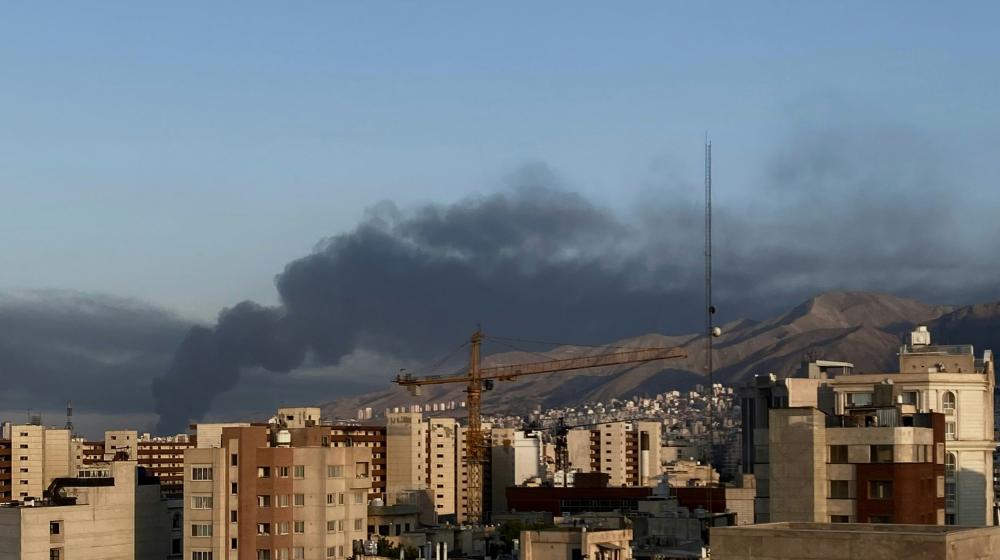
The military action against Iran appears to be the latest US intervention in an oil- and gas- rich state, likely driven by energy interests. It is worth noting that the Trump administration has offered multiple justifications for the intervention and that in wartime priorities tend to shift. Nevertheless, the pattern of the US intervention so far points to a broader effort to secure control of energy resources. Even more importantly, the evolving dynamics of the conflict, including control of the Strait of Hormuz, attacks against energy infrastructure and a possible seizure of Iranian oil terminals, reflect a world where control of energy translates into geopolitical leverage.
The energy drivers behind the conflict are opaque but suggest underlying strategic interests. Like Venezuela, Iran holds some of the world’s largest oil and gas reserves. Trump has a long-held obsession with Iran’s oil, arguing as far back as 1987 that the US should seize the country’s oilfields. A more immediate consideration is the fact that Iran is a major provider of oil to China, meaning the intervention may have been an effort by Trump to gain leverage ahead of a planned meeting with Xi.
So far, US forces have refrained from systematically destroying Iranian oil and gas infrastructure. The White House has also sharply rebuked Israel for its strikes on oil refineries and the South Pars gas field. At the same time, the administration has allowed Iranian oil exports to continue, despite their role as a key source of revenue for the regime.
Either way, the evolution of the conflict has highlighted the importance of controlling energy flows in geopolitics. Iran has openly weaponised its control of the Strait of Hormuz to gain leverage over the US and its allies. Its strikes on energy infrastructure in Gulf states serve a similar purpose, to demonstrate its capacity to disrupt global energy flows. Even in peacetime it is unlikely to relinquish this newly acquired leverage over nearly a fifth of global oil and gas supplies.
The war in the Gulf therefore illustrates at the very least the consequences, if not the underlying strategy, of an energy geopolitics shaped by control over oil and gas flows.
This creates a lose-lose situation for the rest of the world, which is exposed to the consequences of geopolitical competition but also vulnerable to coercion should one side gain the upper hand.
Making a systematic choice
The war in the Gulf presents yet another supply crisis for the EU, especially in gas and jet fuel. Nevertheless, there is also an opportunity to break the cycle.
While the EU is less exposed to a gas supply shock than in 2022, the pain will likely increase as the war continues, with Europe competing with Asian countries for limited supplies of LNG, mainly from the US. It will also have to contend with supplies being instrumentalised for leverage. In an early example of such pressure, the US ambassador to the EU warned the European Parliament on 23 March that the bloc could lose access to ‘favourable supplies of LNG’ unless it approved the US-EU trade deal.
Shortages of jet fuel will increase the cost of flying while posing a danger to Europe’s defence, especially aviation, which depends on the Gulf for between 30-50% of supply.
At the same time, higher oil and gas prices are bound to create inflationary pressures and economic strain across the continent while working in the Kremlin’s favour, with Russia having pocketed a windfall of $150 million daily since the war started.
The EU therefore faces a choice: turn crisis into opportunity or remain on a path of dependence and vulnerability. It has the tools to accelerate a structural shift in domestic energy demand, with widespread electrification of heating, transport and industry. All this could be powered by domestic electricity generation, itself a growth industry for European companies.
While this choice entails trade-offs and difficult political decisions, it is preferable to continued dependence, which heightens exposure to external leverage and forces governments to draw on already stretched budgets to absorb geopolitical shocks in fossil fuel markets.