Raising awareness of both existing and emerging foreign and security policy challenges facing the European Union, EUISS Briefs provide key information in a concise, focused format.
Maritime security is one of the fundamental strategic interests of the European Union. This Brief focuses on the EU’s ambition to become a maritime security provider in the Indo-Pacific region and explores how might it go about accomplishing this. It shows how a more proactive...
This Conflict Series Brief focuses on the driving factors of conflict dynamics in Libya and on the shortcomings of the Libya Political Agreement (LPA) in addressing them. It shows how the approach ignored key political actors and realities on the ground from the outset, thereby...
Strengthening the resilience of the Ethiopian state and preventing an escalation of political violence are two policy priorities in view of the 2020 elections. But how can conflict risks be mitigated? And can the ambitious reform agenda be reconciled with concrete local needs and...
This Brief analyses the recent civil resistance in Sudan, and explores the reasons for the resilience and longevity that have characterised it compared to previous protest movements in the country. In particular, it examines how the events in Sudan demonstrate the potential of...
The EU increasingly makes use of crisis scenarios to forecast the future and identify capability gaps. This Brief shows how simulations and exercises can only add value to preparedness efforts when they are but one element of a wider crisis response architecture.
Russia's grand aspirational objective is to bring back what is deemed in Moscow to be a more natural state of play for the Balkans: multipolarity. But what is the Russian modus operandi in the region? Is it confined only to coercion, as the headlines suggest, or is there a softer...
In light of rising tensions between Washington and the EU over defence markets, this Brief looks at the asymmetry between US and European defence markets. It examines the web of regulations and laws which effectively provides the US government with the discretionary power to...
This Brief looks into connectivity-related challenges and how they relate to the EU’s new Central Asia Strategy and its vision of connectivity. It examines the legacy of Soviet connectivity, the significance of regional informal networks, as well as the impact of China’s Belt and...
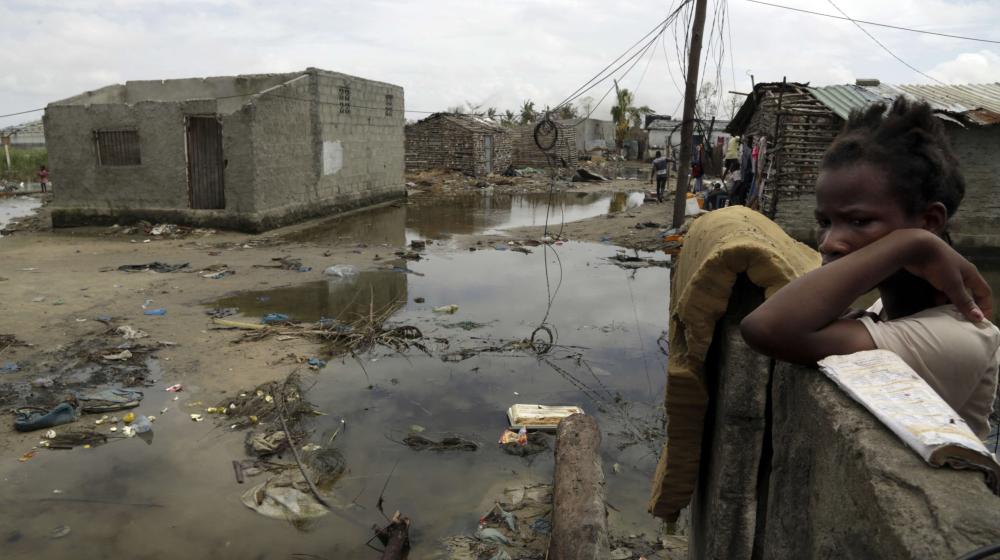
This Brief demonstrates how a ‘pivot’ to conflict prevention in foreign assistance to Mozambique is needed, adjusting international donors’ support towards more targeted conflict-prevention objectives, and balancing the need for conflict sensitivity with the imperative of...
This Brief launches a new EUISS series on conflicts, by focusing on the renewed attention to prevention in international peacebuilding at a time when the human and economic costs of violent conflict keep rising.