Raising awareness of both existing and emerging foreign and security policy challenges facing the European Union, EUISS Briefs provide key information in a concise, focused format.
China is rapidly consolidating its expertise in building smart/safe cities, with the Covid-19 crisis significantly accelerating this trend. The crisis has also seen China step up its activism in the global promotion, donation and export of some of its smart city technologies with...
In the three decades after the Cold War, the perception of ‘Arctic exceptionalism’, the sense that the Arctic region is immune from broader geopolitical tensions, prevailed. However, this notion is currently being challenged: climate change is accelerating the opening of new...
The ongoing conflict in Yemen is complex and multi-layered, with the involvement of rival regional powers adding a geopolitical dimension to the war. As the national framework has disintegrated, local rivalries have intensified, leaving more room for foreign state interference in...
The complex nature of cyber conflicts makes it difficult to design effective, targeted conflict prevention instruments. Yet existing approaches to prevent conflict in cyberspace have, so far, brought about very little change in state behaviour. How might the EU lead the way in...
Russia is mounting a remarkable political comeback in sub-Saharan Africa through a ‘low costs, high returns and visibility’ approach. Can a coherent strategy be discerned behind this push? And how is sub-Saharan Africa reacting to Russia’s overtures and what does it mean for the...
In the sanctions practice of the EU, human rights motivations feature prominently, reflecting their centrality to the Union’s foreign policy. This Brief discusses plans to create a new EU sanctions regime addressing gross human rights violations. It examines the various...
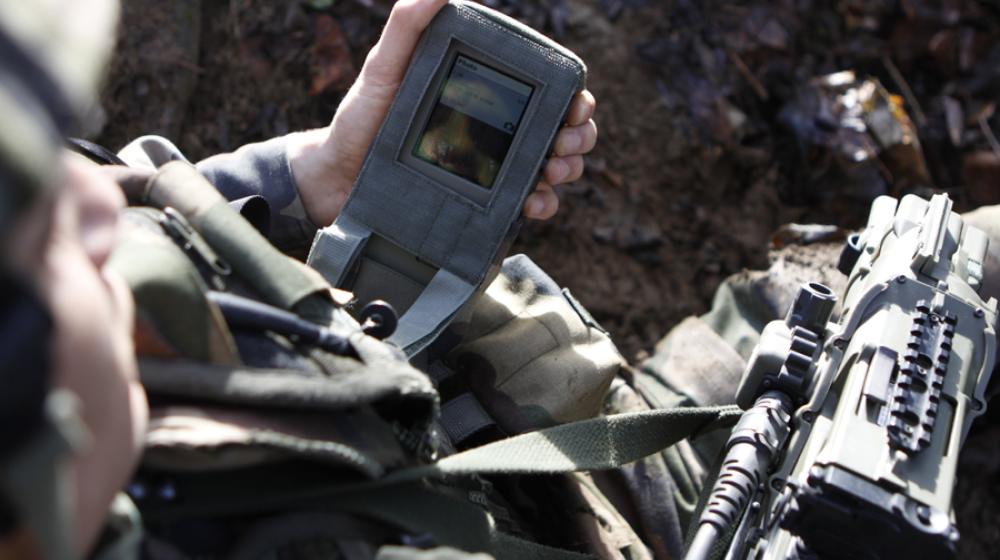
Digital technologies can vastly improve the operational readiness and effectiveness of Europe’s armed forces. As this Brief shows, however, the EU needs to better understand the risks and opportunities involved in the digitalisation of defence and it needs to financially invest...
In the wake of the Artificial Intelligence Strategy unveiled by the US Department of Defense in 2019, this Brief examines the implications of the initiative for Europe and for transatlantic defence cooperation. It argues that Europeans need to develop a strategy for military...
This Brief analyses the peace efforts in Ukraine and argues that it would be in the country’s interest to continue decentralising and strengthening local governance structures, including in the east. But how does Moscow view this?
In the run-up to the 2020 Review Conference of the NPT, this Brief assesses the EU’s record as a non-proliferation actor. In particular it seeks to identify how the EU can rebuild its credibility in this role given the difficulties encountered in obtaining a consensus at the 2015...