The Middle East and North Africa (MENA) is a fragmented region: in spite of its relative cultural and historical homogeneity, it has some of the lowest levels of intra-regional trade, political cooperation and legal migration in the world.
This is largely due to the fact that, since the end of the Second World War, it has experienced the full spectrum of political violence. Conventional, hybrid, and civil wars, revolutions, and terrorism have hindered political and economic development, and created fertile ground for further violence. Breaking this ‘conflict trap’ is imperative for the states of the region, as well as those actors who have a stake in it.
For the EU, the MENA is of strategic importance for three reasons:
- it is an immediate geographic neighbour,
- a crucial passage for goods traveling to and from Europe (including oil and gas),
- and it has been historically unstable.
The region’s security and economic situation is consequently closely intertwined with that of Europe. This explains the Union’s desire to contribute to regional stability through different means such as the European Neighbourhood Policy (ENP), the Barcelona Process and the Union for the Mediterranean.
The EUISS seeks to contribute to the EU’s overall effort in the MENA by providing in-depth analyses on a number of key issues affecting the region.
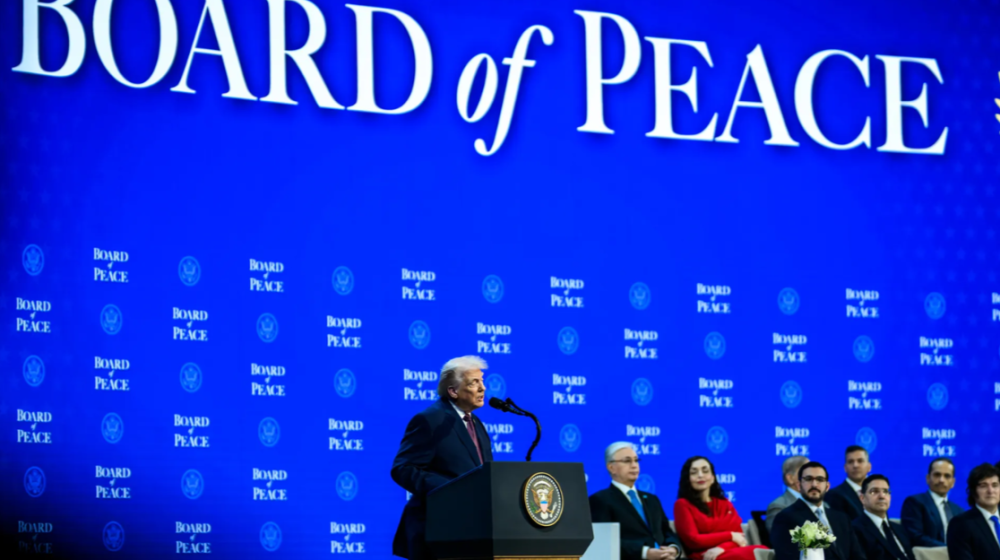
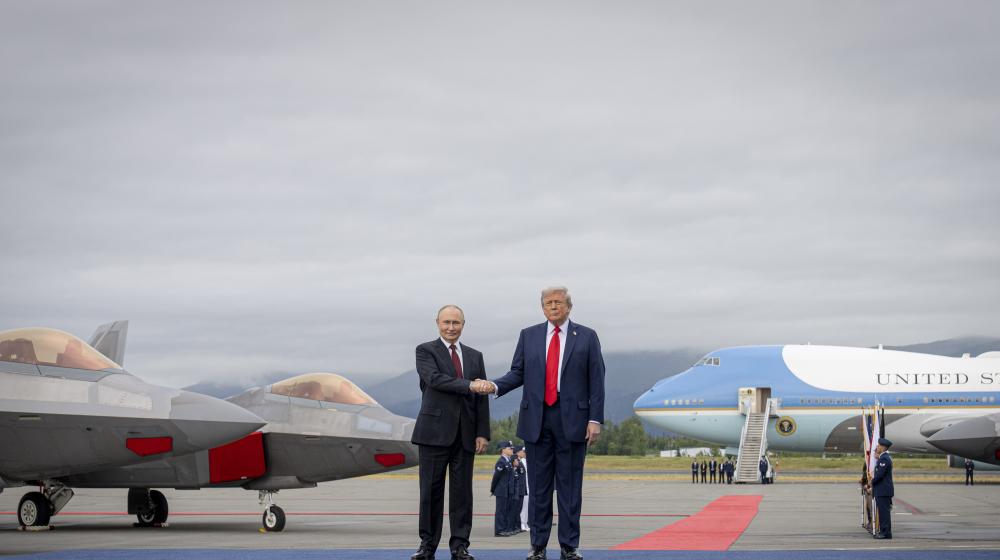
Branded as multilateral, the Board of Peace risks hollowing out multilateral legitimacy by centralising power and sidelining existing institutions. Gaza is its first test. For the EU, being ‘inside the room’ may mean influence without authority; real leverage will come from...
The Global Risks to the EU survey highlights the most acute security risks facing the EU in 2026, as assessed by European experts. A hybrid attack on EU critical infrastructure tops the risk list, alongside threats from Russia and a US withdrawal of security guarantees.
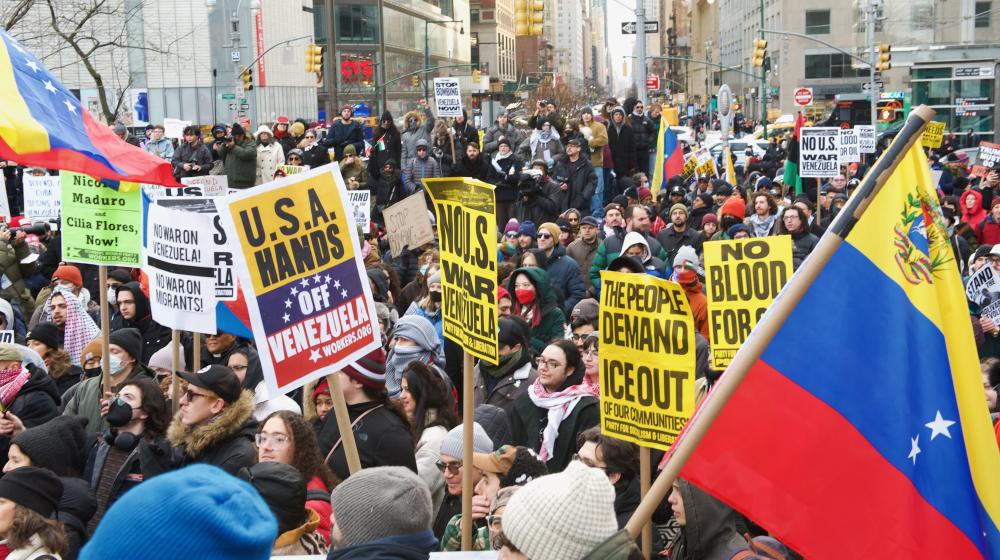
The US ousting of Nicolás Maduro has sent shockwaves far beyond Venezuela. Responses range from outspoken support to ambiguous reactions and strong condemnation. Washington's actions in Venezuela pose both challenges and opportunities for Russia, China and countries in Latin...
Across the MENA region, women’s workforce participation remains among the world’s lowest but trends vary widely. Using data on education, labour, law and public opinion, this interactive analysis explores women’s economic empowerment and its implications for stability & security.
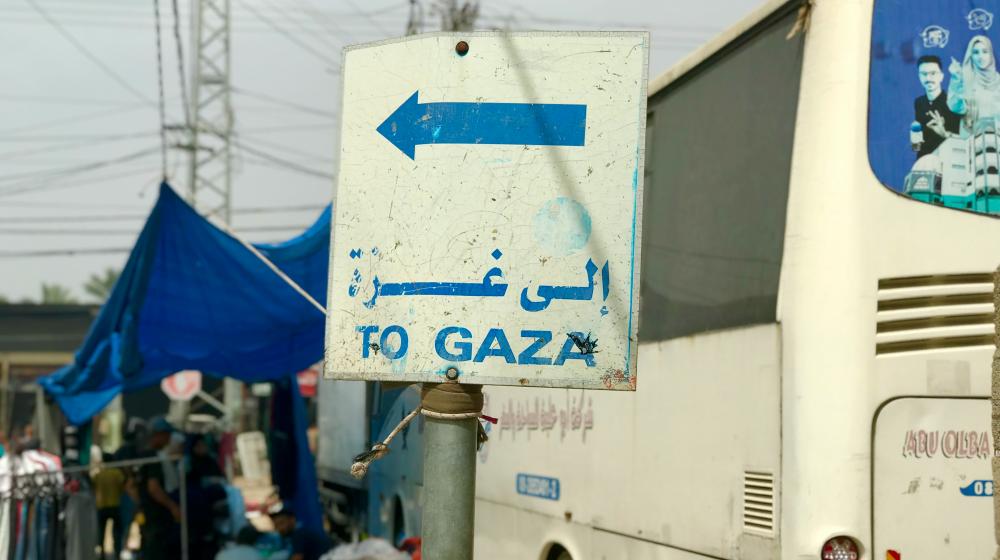
As a ceasefire takes hold in Gaza, the EU has an opportunity to reassert its influence – supporting reconstruction, governance and security while reaffirming its long-standing commitment to a two-state solution.
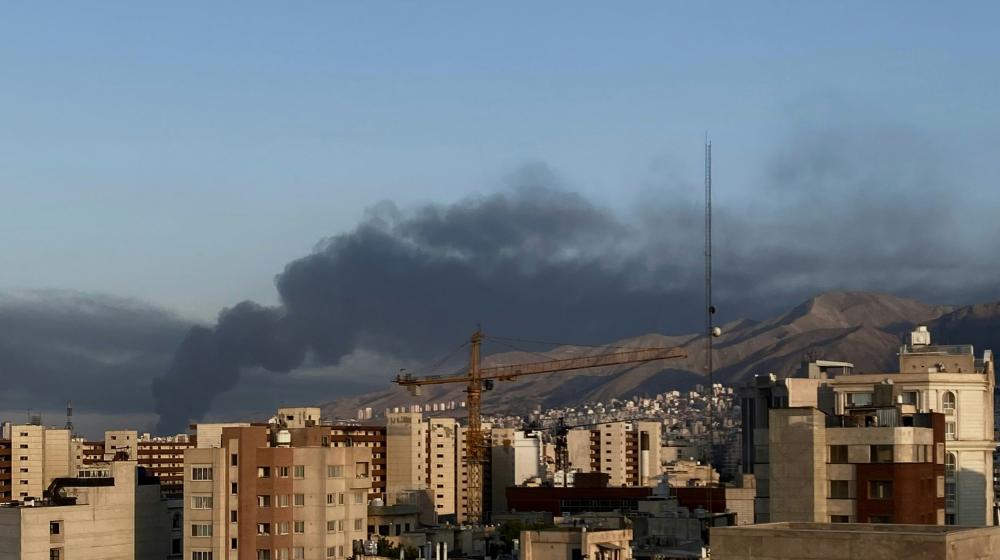
The 12-day Israel-Iran war in June 2025 profoundly altered the strategic landscape of the Middle East, leaving the risk of military escalation dangerously high. In this uncertain environment, Europe can still play a critical diplomatic role.
The launch of negotiations on a Free Trade Agreement between the EU and the UAE in April 2025 marks a shift in the EU's approach to engagement with the Gulf Cooperation Council (GCC) and its member states. After over three decades of stalled bloc-to-bloc talks, and in a climate...
With more than 50 000 deaths reported by Palestinian health authorities and the threat of famine intensifying, Gaza is facing a catastrophic humanitarian emergency. Yet humanitarian access continues to be impeded by a combination of logistical, political and security-related...
Russia is now coordinating with the US in response to last week's deadly outbreak of sectarian violence in Syria. Some countries, in particular Israel, believe that Russia's presence in Syria can provide a counterweight to growing Turkish influence. But it is clear that continued...
After years of war, Syria's energy system is in ruins. The EU can actively contribute to rebuilding the country's energy sector. It will need to balance strong support for Syria's reconstruction with awareness of the new geopolitical dynamics of energy in the post-Assad era.