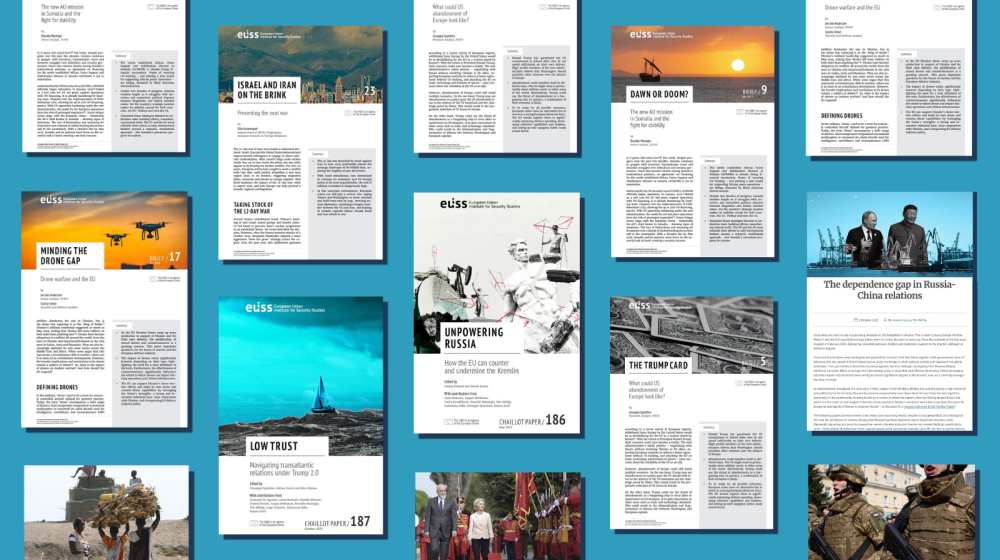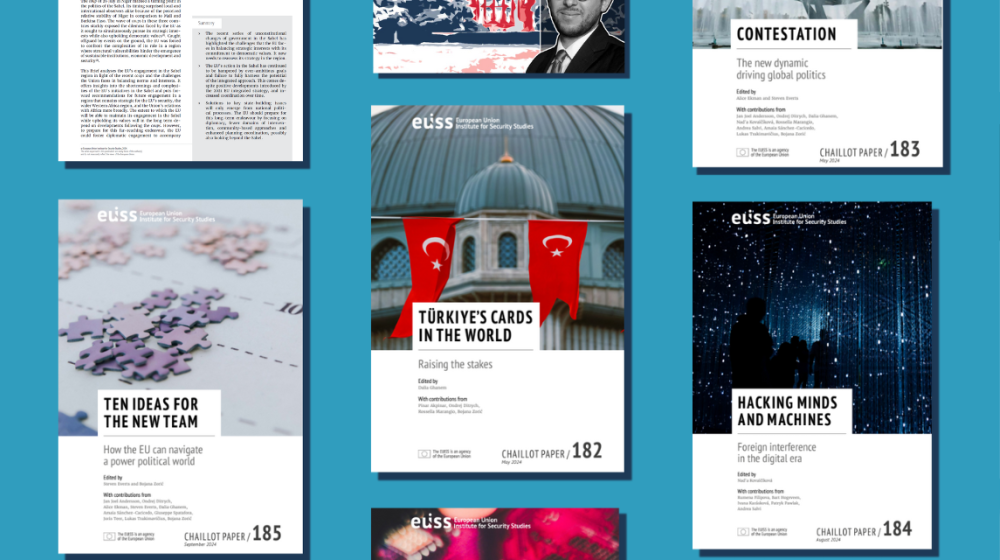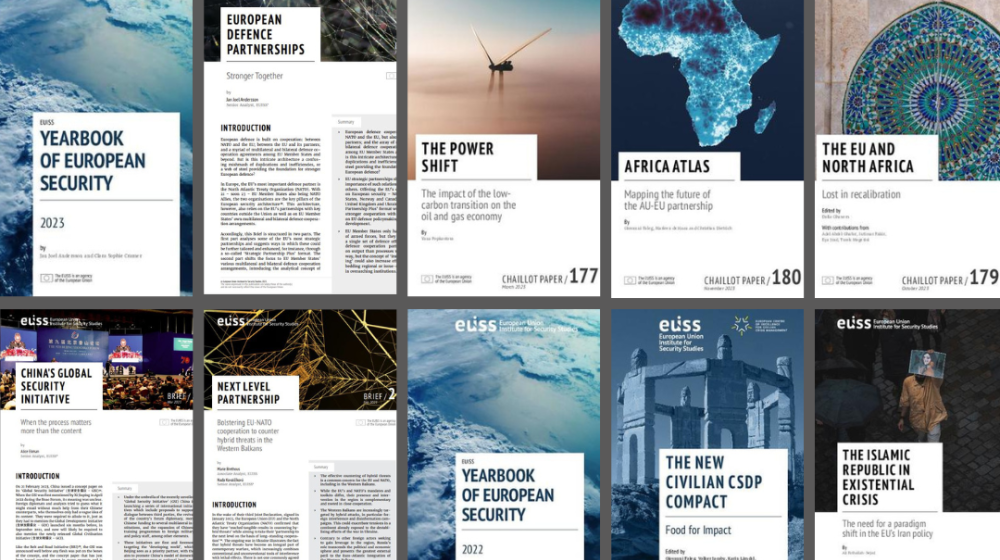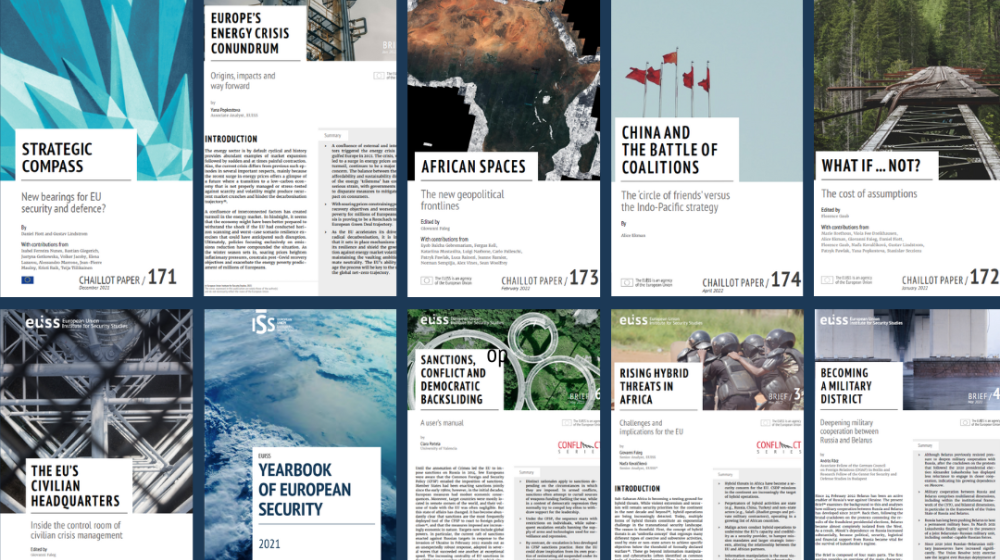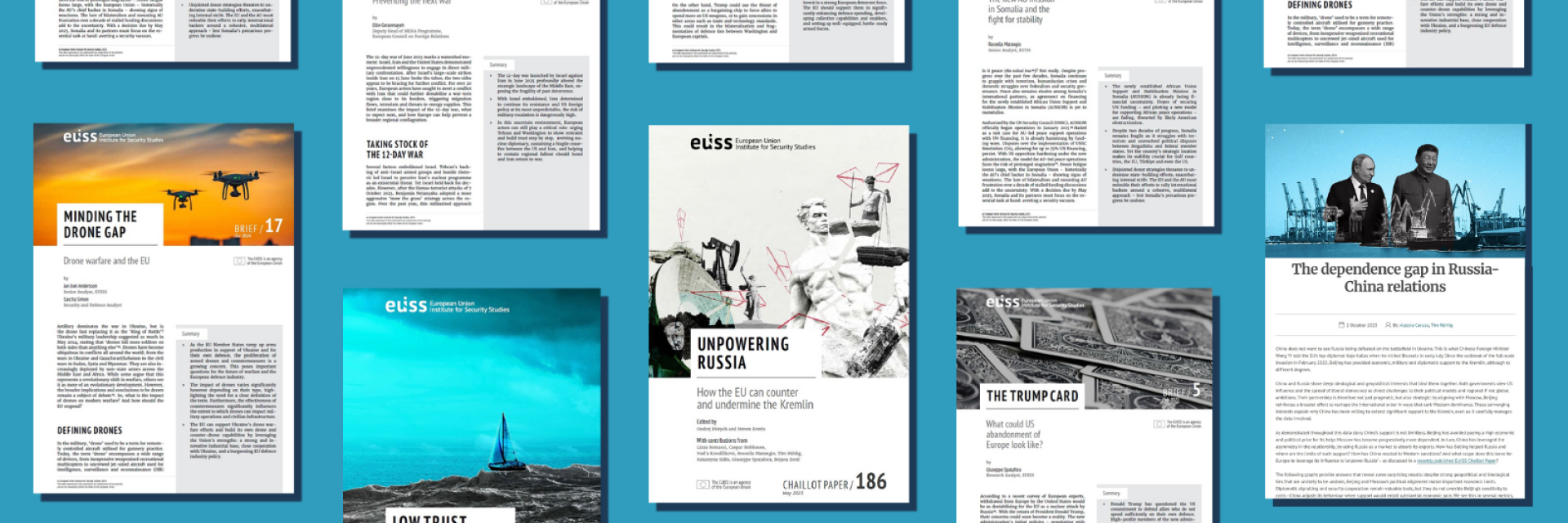
In 2025, our publications reflected a world in flux and a Europe facing increasingly hard choices. From navigating uncertainty in transatlantic relations, to efforts to counter Russia and manage China, our analysts explored how the EU can move from merely reacting to shaping its security environment. Alongside wars in Ukraine, the Middle East, Sudan and beyond, our most-read work also examined emerging risks, from disruptive technologies to artificial intelligence.
1

The Trump card: What could US abandonment of Europe look like?
By Giuseppe Spatafora
As 2025 started, the actions of the Trump 2.0 administration heightened fears about a dwindling US commitment to Europe. But US abandonment could manifest in different ways – as a bargaining chip or as a policy goal. To prepare for all possible scenarios, the EU and its Member States must invest in a strong European deterrent force.
2

Israel and Iran on the brink: Preventing the next war
By Ellie Geranmayeh
The 12-day Israel-Iran war in June 2025 profoundly altered the strategic landscape of the Middle East, leaving the risk of military escalation dangerously high. In this uncertain environment, Europe can still play a critical diplomatic role.
3
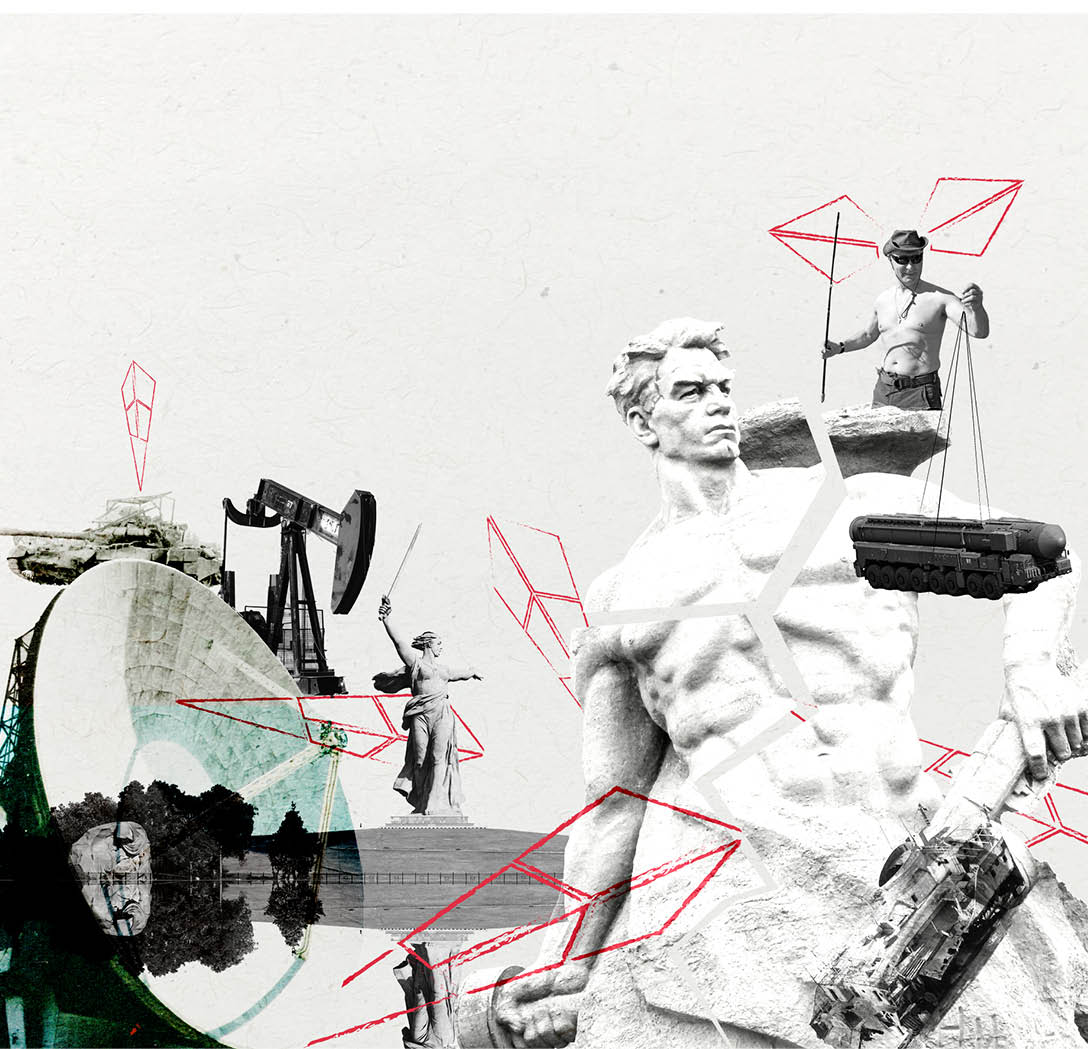
Unpowering Russia: How the EU can counter and undermine the Kremlin
By Ondrej Ditrych and Steven Everts. With contributions from Lizza Bomassi, Caspar Hobhouse, Nad’a Kovalčíková, Rossella Marangio, Tim Rühlig, Katarzyna Sidło, Giuseppe Spatafora and Bojana Zorić
It’s time for the EU to push back against Russian aggression and dismantle the Kremlin’s ability to undermine its interests. We propose a strategic playbook to shift from defence to disruption, and hit Moscow where it hurts most.
4
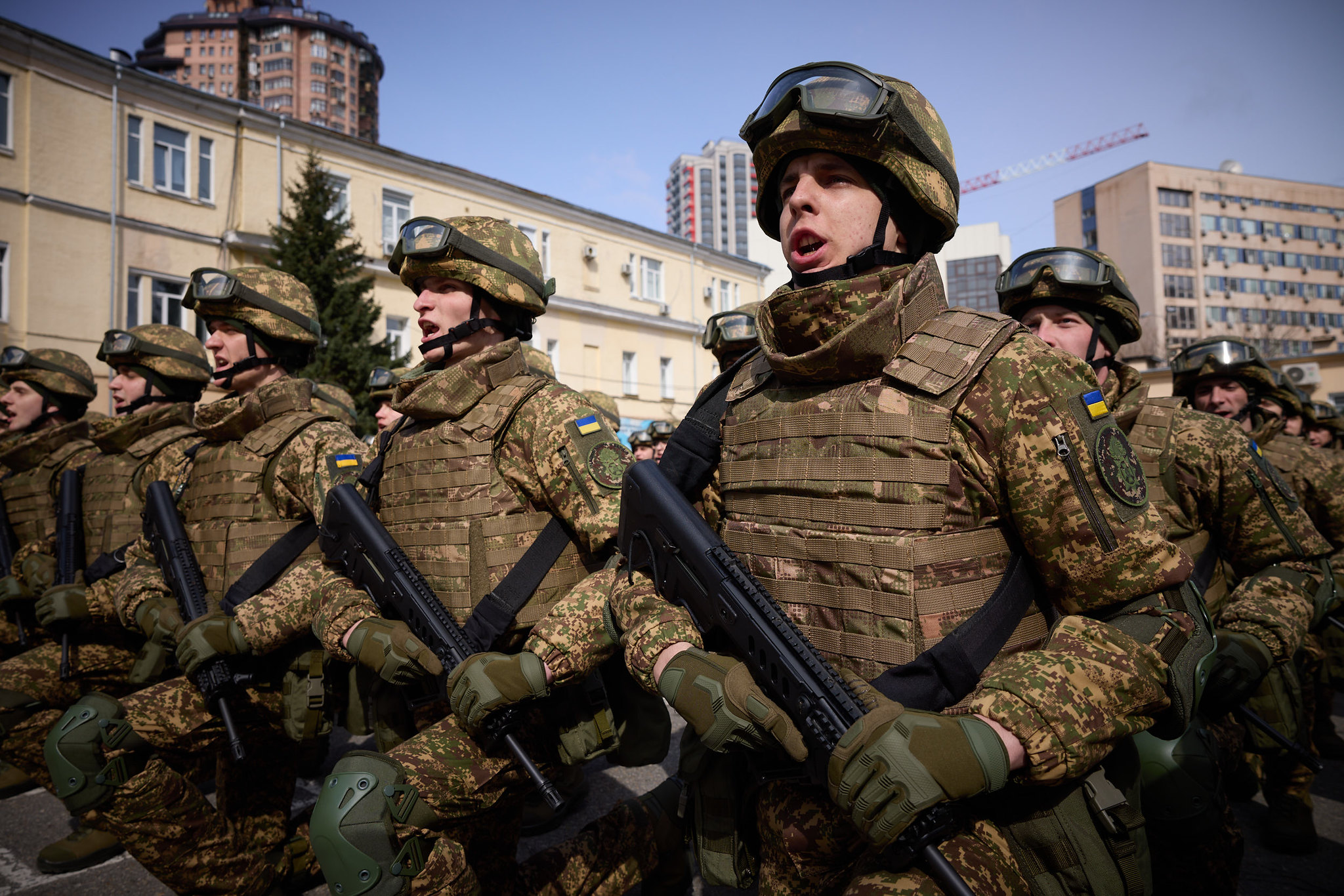
Global Risks to the EU: A blueprint to navigate the year ahead
By Veronica Anghel and Giuseppe Spatafora
What are the biggest risks to the EU in 2025? We asked close to 400 experts to rank the likelihood and expected impact of 30 predefined risks affecting EU interests. A bad ceasefire deal in Ukraine, US abandonment, hybrid attacks, and no lasting peace in the Middle East came out as top risks. Based on the results, we suggest how the EU should address the challenges facing it in 2025.
5

Dawn or doom? The new AU mission in Somalia and the fight for stability
By Rossella Marangio
Despite two decades of progress, Somalia remains fragile. Funding for the newly established African Union Support and Stabilisation Mission in Somalia is yet to materialise, while fragmented donor engagement jeopardises state-building efforts. To avert a security vacuum, the EU needs to join forces with the AU to engage partners in a multilateral approach.
6
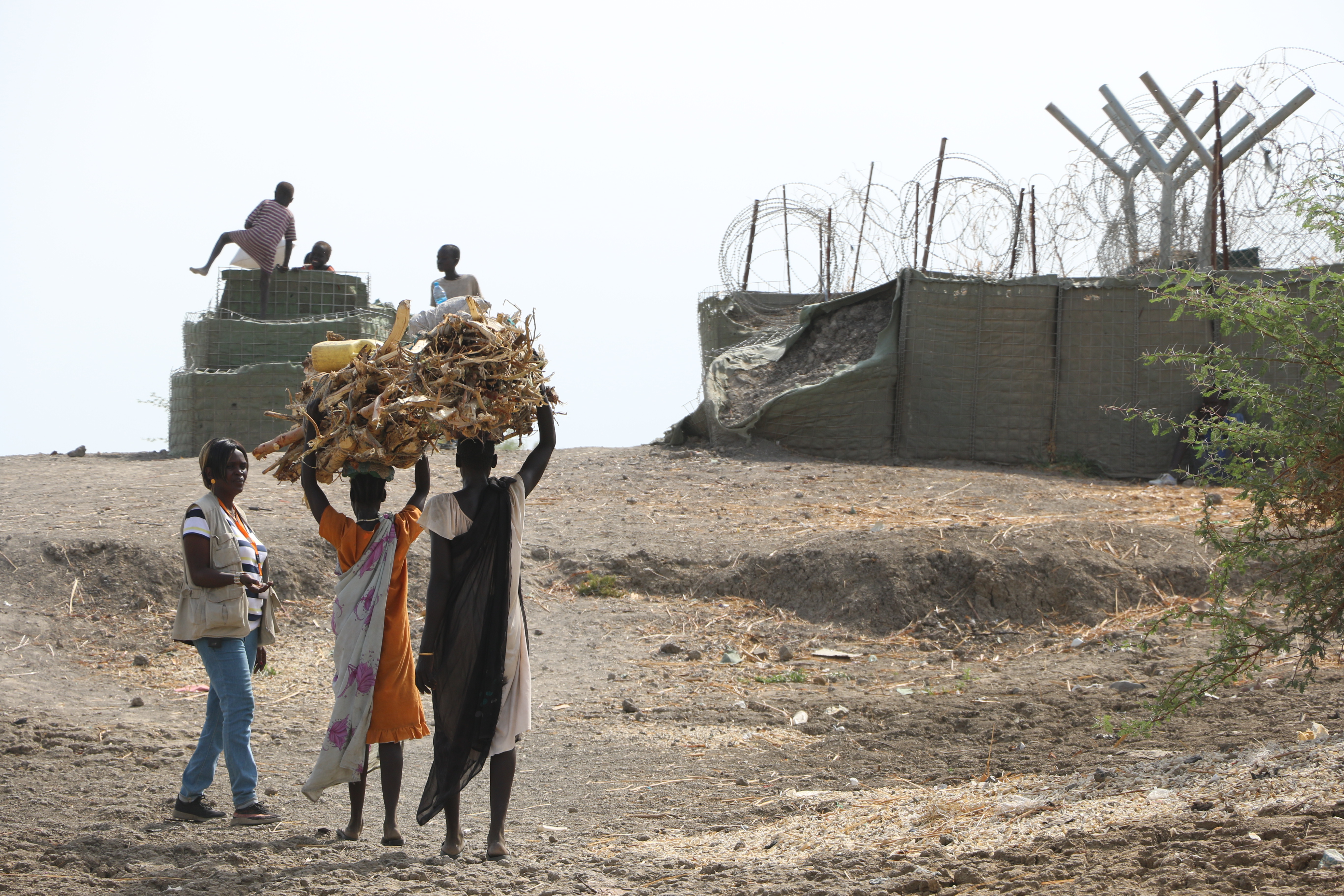
The fall of El-Fasher: Sudan's war outpaces truce plan
By Rossella Marangio
The war in Sudan is one of the world's most acute humanitarian crises. The EU must press for accountability, curb arms flows, and back global investigations into the illicit financial networks sustaining the conflict.
7
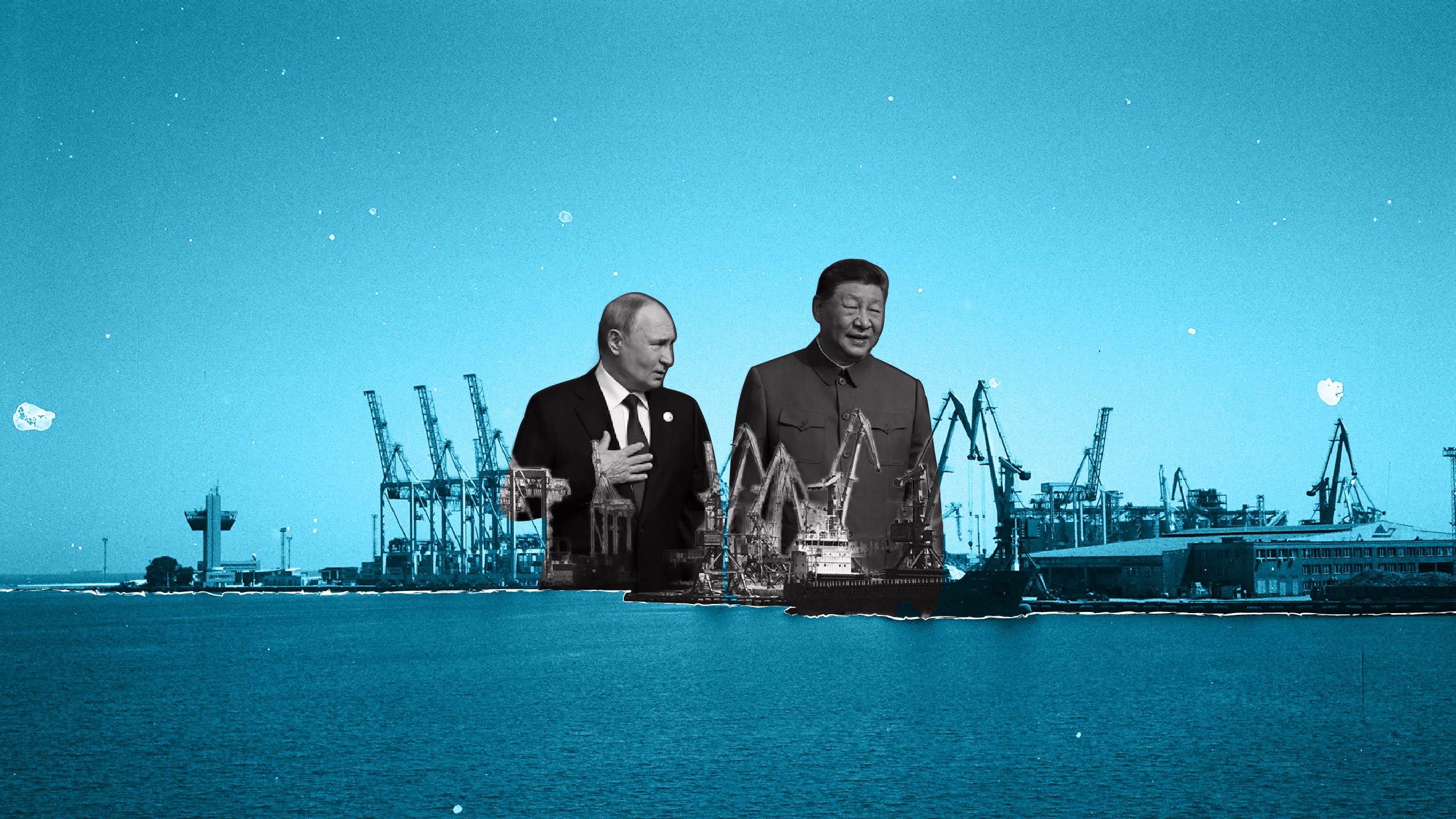
The dependence gap in Russia-China relations
By Alessia Caruso and Tim Rühlig
Despite geopolitical and ideological ties, Beijing and Moscow's political alignment masks important economic limits. Our interactive analysis shows that China fuels Russia’s war effort, but it does so when the price is low and the payoff high. As a major trading partner the EU has tools to raise that price and exploit the dependance gap in Russia-China relations.
8

Low trust: navigating transatlantic relations under Trump 2.0
By Steven Everts, Giuseppe Spatafora and Alice Ekman. With contributions from Leonardo De Agostini, Lizza Bomassi, Clotilde Bômont, Ondrej Ditrych, Caspar Hobhouse, Rossella Marangio, Tim Rühlig, Luigi Scazzieri, Katarzyna Sidło and Bojana Zorić
The transatlantic relationship has changed profoundly. Europe must recognise it and act accordingly. We explore how the EU can move transatlantic relations forward in an age of low trust, and how other US allies across the world are tackling the disruptions of Trump 2.0.
9
Minding the drone gap: Drone warfare and the EU
Jan Joel Andersson and Sascha Simon
Drones have become ubiquitous in conflicts, from the wars in Ukraine and Gaza/Israel/Lebanon to the civil wars in Sudan, Syria and Myanmar. We explore the impact of drones on modern warfare and how the EU should respond to their growing prominence on the battlefield. Written last year, this Brief has gained fresh traction in 2025 as drone warfare continues to reshape modern conflict.
10
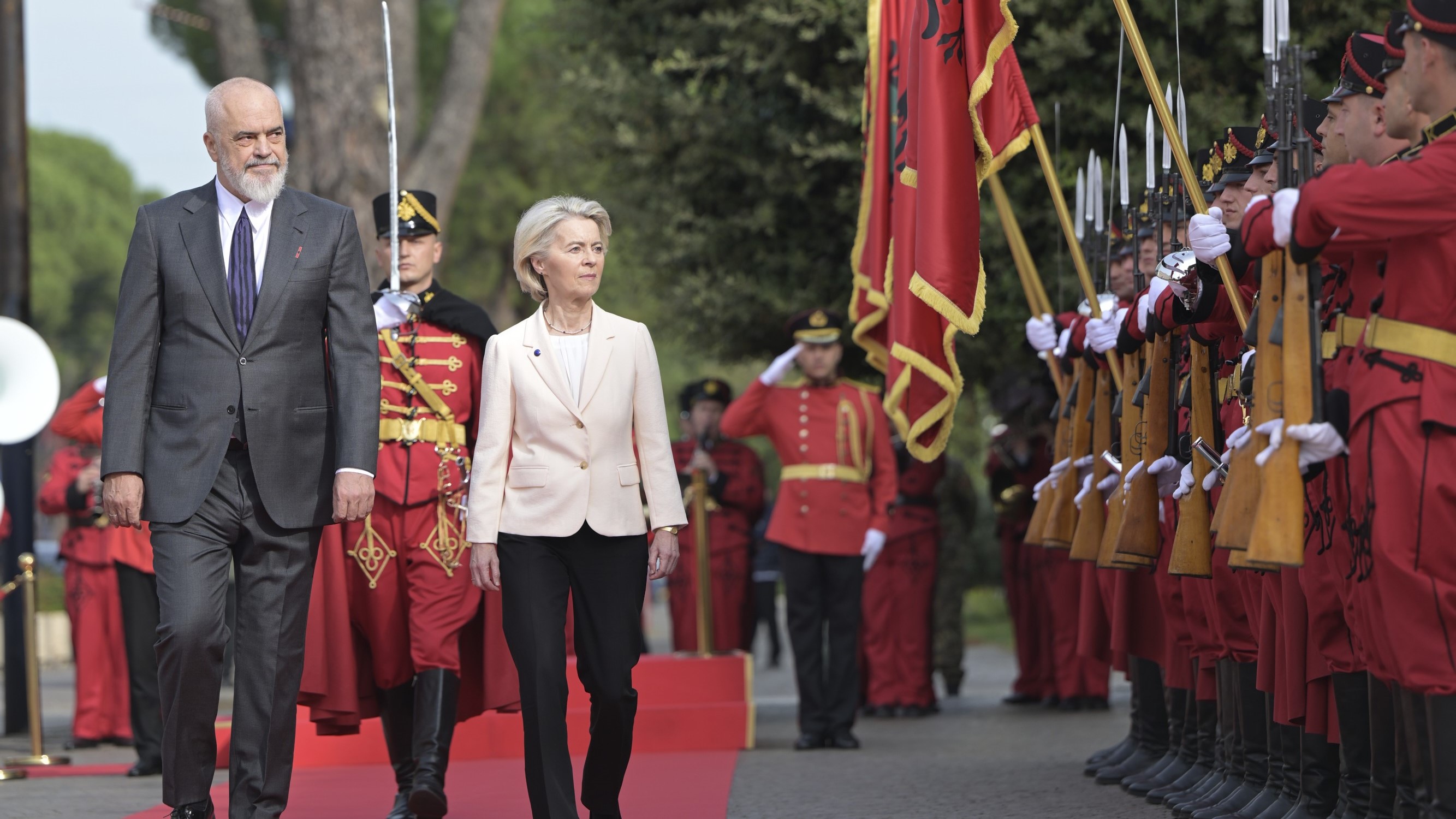
Artificial intelligence, real politics: What Albania's AI Minister means for EU accession
By Clotilde Bômont and Bojana Zorić
Albania has made global headlines in appointing 'Diella', an AI system, as a cabinet minister. Hailed as a step towards digital governance, it has also drawn criticism over legality, accountability and the risks of entrusting political power to artificial intelligence.