Chaillot Papers are the Institute's flagship publication. Written by the Institute’s Analysts, as well as external experts and based on collective work or individual research, they deal with all subjects of current relevance to the Union’s security.


  • Balkan futures: three scenarios for 2025

    What will the Western Balkans look like in 2025? This Chaillot Paper presents three contrasting scenarios for the horizon of 2025 – best-case, medium-case, and worst-case, with each scenario taking account of the impact of underlying megatrends.

  • Dealing with diversity – The EU and Latin America today

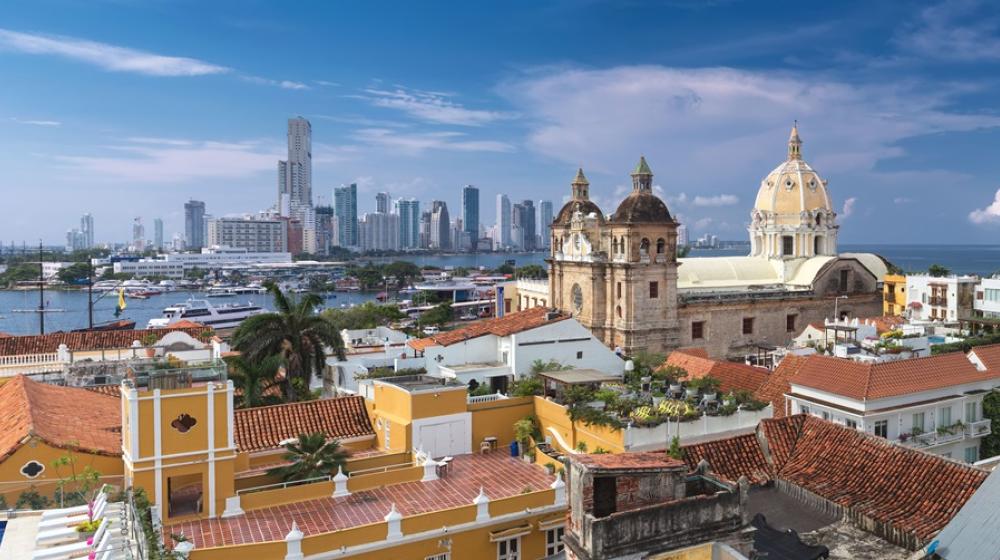
    This Chaillot Paper examines the relationship between the EU and Latin America and the Caribbean (LAC). It argues that the original assumptions underpinning EU policy towards the region no longer apply, due in part to the ongoing obstacles to regional integration in LAC.

  • Third powers in Europe's east

    This Chaillot Paper examines the geopolitical repercussions of the rising presence of third powers in the region, and how the growing constellation of partnerships between the EaP countries and these powers serves a range of strategic purposes for the actors involved.

  • Nobody move! Myths of the EU migration crisis

    This Chaillot Paper contextualises the dilemmas facing EU policymakers as Europe experienced an unprecedented influx of migrants and refugees in 2015-2016. It examines how the EU’s enlargement, neighbourhood and development policies evolved in response to the migration crisis.

  • Default ct image

    China and Russia: an Eastern partnership in the making?

    This Chaillot Paper sets out to evaluate the scope and the actual implementation of the ‘pivot to the East’ announced by Moscow in the wake of its confrontation with the West over Ukraine. The paper highlights the areas of convergence and divergence between Moscow and Beijing...

  • Default ct image

    People on the move – The new global (dis)order

    This Chaillot Paper analyses the factors which have generated the current migration crisis, and emphasises that a balanced policy debate on the challenges and opportunities this phenomenon created by this phenomenon is still lacking. It examines how the devolution of global power...