Chaillot Papers are the Institute's flagship publication. Written by the Institute’s Analysts, as well as external experts and based on collective work or individual research, they deal with all subjects of current relevance to the Union’s security.

  • Arab Climate Futures

    This Chaillot Paper shows that successfully tackling climate change in MENA will depend on decisions taken both in the region and outside. Assisting the Arab world in meeting the challenges posed by climate change will be a matter of strategic importance for Europe.

  • European Sovereignty

    This Chaillot Paper looks at European sovereignty with case studies that centre on semiconductors, the Iran nuclear deal and EU security and defence partnerships with the United States and United Kingdom.

  • The future of conflict prevention

    Looking ahead to the horizon of 2030, this Chaillot Paper analyses the need for a conflict prevention approach in the face of three megatrends that will have far-reaching global repercussions.

  • The EU’s arms control challenge

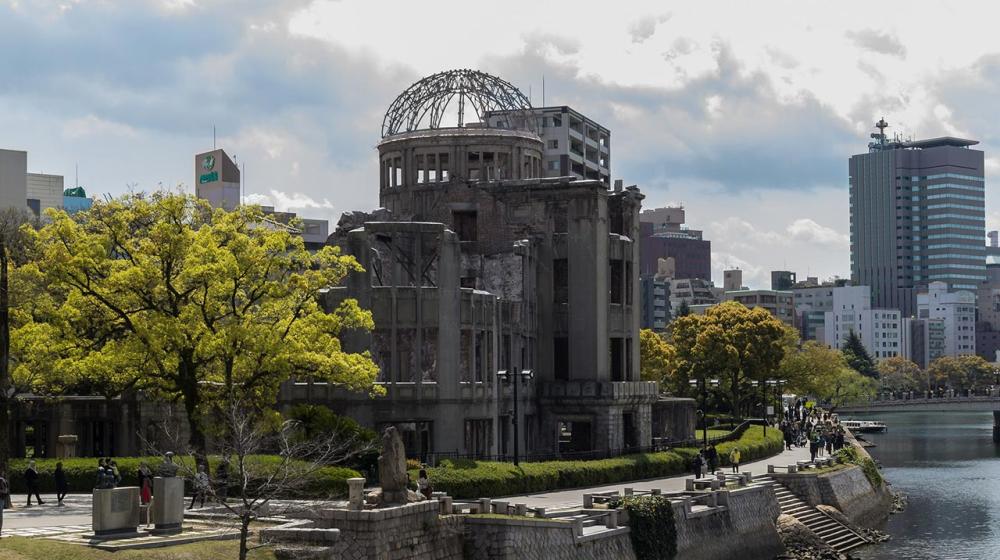
    Our new Chaillot Paper highlights the key role the EU can play in building the intellectual groundwork for the emergence of a new arms control treaty system to replace those agreements which are currently being abandoned.

  • African Futures 2030

    Among the multiple possible futures for Africa, this publication has selected a favourable one, leading to integration, peace and prosperity.

  • What if...not? The cost of inaction

    The 12 scenarios presented in this Chaillot Paper draw attention to the cost of inaction in a variety of areas, ranging from Russia to Africa, from cyberspace to environmental matters.

  • How Covid-19 changed the future

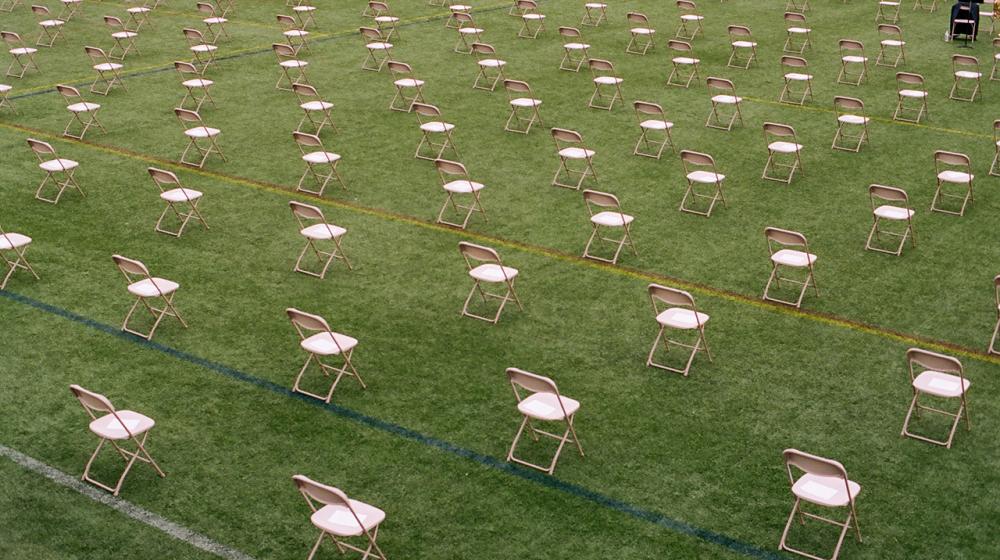
    This Chaillot Paper examines two dimensions: it assesses the geopolitical trends the pandemic is perceived as having accelerated, and the scope for innovation and far-reaching change induced by the crisis.

  • Conflicts to come

    The volume presents 15 fictionalised scenarios that imagine how future conflicts might occur. These scenarios contribute to, and at times challenge, the existing body of assumptions concerning the genesis of conflict, its likelihood and how it might play out.