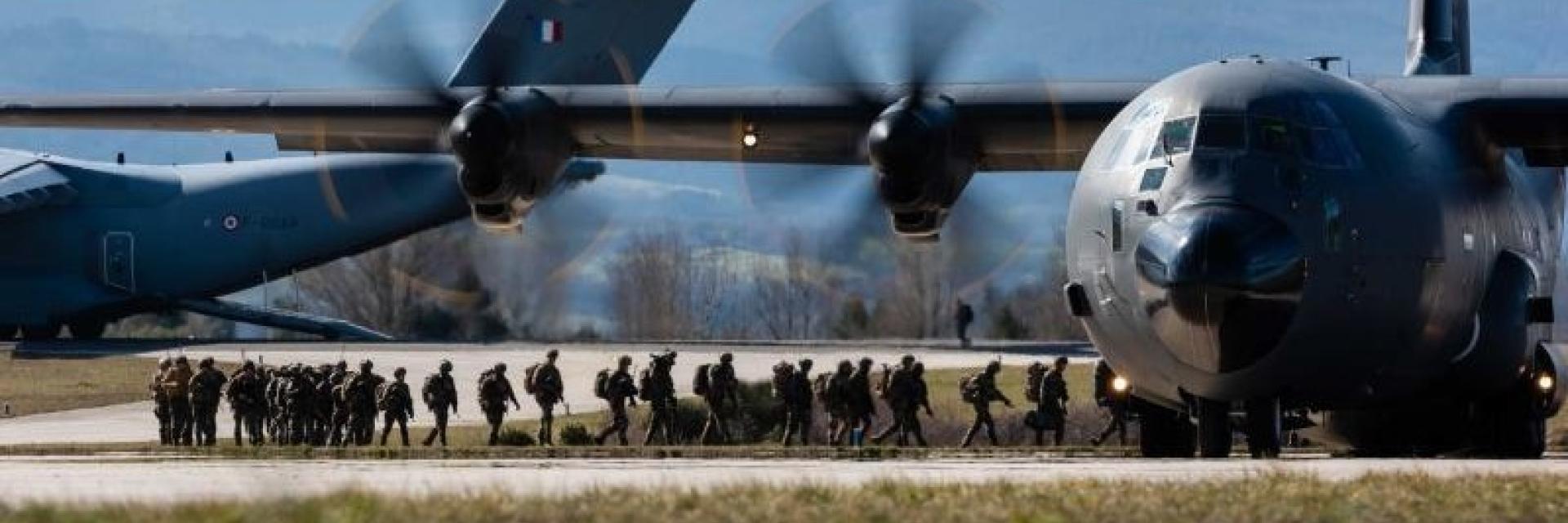
The approval of the first five European Defence Projects of Common Interest (EDPCIs) in September 2026 marks an important step in the EU’s attempts to fill key capability gaps and reduce the fragmentation of efforts and resources that hinders European defence. EDPCIs are intended to be major initiatives that are too complex for individual Member States to undertake alone. The five EDPCIs cover drones and counter-drone systems; maritime and seabed defence; space; integrated air and missile defence; and protection of the eastern flank. These projects have the potential to drive capability development and give momentum to cooperation. However, EDPCIs will need to overcome several challenges related to their structure, their limited funding, and their fit with existing initiatives. To succeed, they need to be sufficiently resourced, focused on delivering results, and grounded in political and operational realities.
Common ambitions, practical obstacles
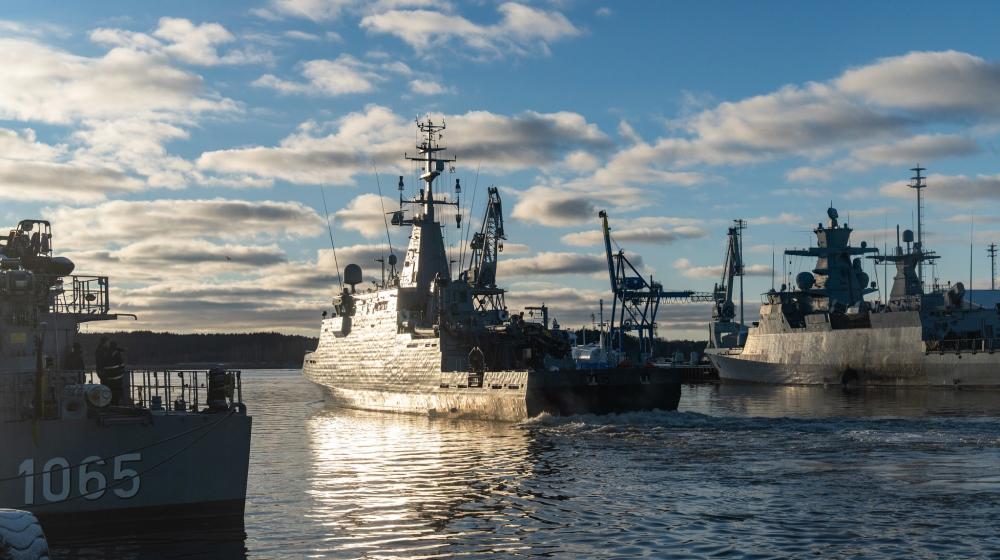
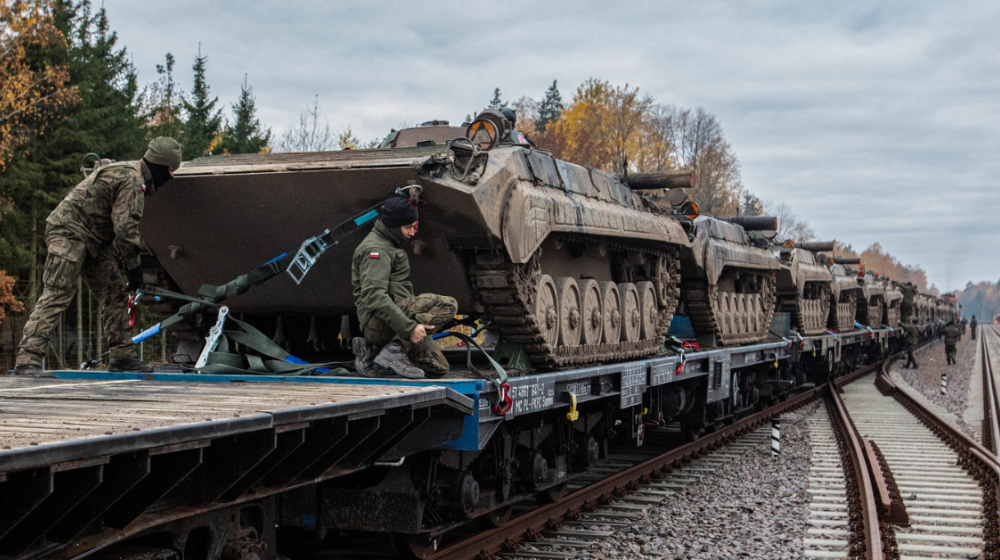
One challenge faced by the EDPCIs is their breadth. By nature, EDPCIs are meant to be complex projects. However, many are so broad as to encompass entire capability areas. For example, maritime and seabed defence covers the common procurement of naval platforms and underwater systems, and the development of an integrated information-sharing architecture. The EDPCI on air and missile defence is meant to foster industrial expansion, joint procurement and the integration of national capabilities. The EDPCI on protection of the eastern flank, Eastern Flank Watch, is particularly broad, with six pillars including ground combat, air and missile defence, drone defence and command, control, communications, intelligence and surveillance. Such a wide scope could make it difficult to maintain a clear focus and deliver concrete results.
The challenge is exacerbated by the breadth of membership in EDPCIs, which ranges from 17 to 28 countries. This is in some ways intrinsic to EDPCIs, which are meant to be cooperative by nature. A large membership can help mobilise greater financial resources and achieve economies of scale. But there is also a risk of participating countries struggling to agree on joint requirements, timelines and on the division of work. The historical record of defence cooperation suggests that the greater the number of participants in a project the harder and slower it is to work out such issues. EDPCIs thus risk replicating a familiar weakness of European defence cooperation, also seen in the EU's Permanent Structured Cooperation (PESCO) initiative: broad participation without sufficient alignment on priorities or a shared sense of urgency to deliver results.
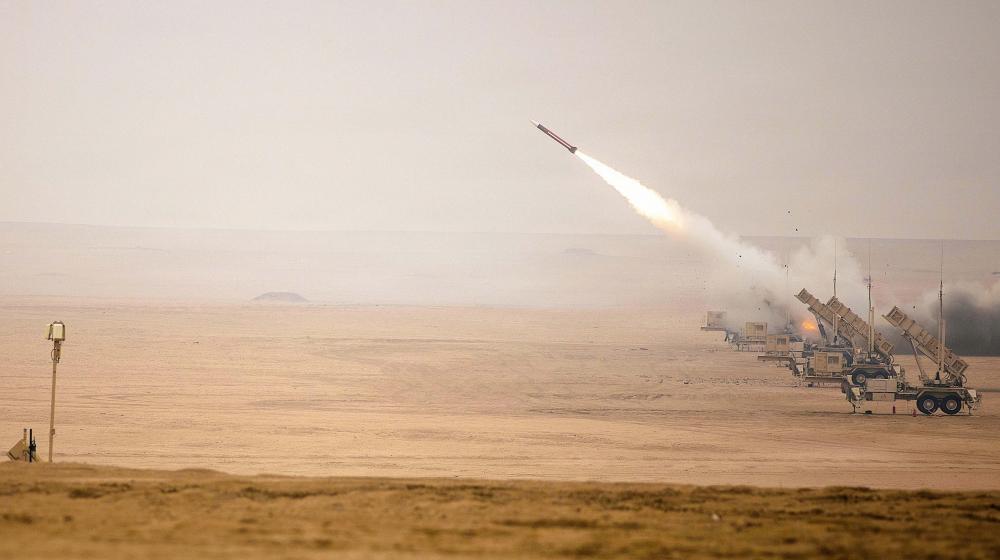
The challenges posed by the broad scope of EDPCIs and their large membership are particularly significant because these projects are being developed in parallel to a range of existing, often well-established initiatives at EU, NATO and national level. For example, in terms of air defence, NATO's integrated air and missile defence provides the overall framework through which NATO members integrate their capabilities. Several smaller groups of countries are also pursuing joint procurement focused air defence initiatives, such as the German-led Sky Shield Initiative and the Anti-Ballistic Missile coalition. Similarly, Eastern Flank Watch is being developed alongside national initiatives such as Poland's East Shield and the Baltic Defence Line. In space, national efforts are also advancing, notably in Germany, where the government plans to invest €35 billion in space capabilities. In theory, EDPCIs could bring greater coherence to existing initiatives. However, that is far from guaranteed. In practice, Member States will weigh the benefits of placing existing or new defence projects under an EDPCI framework against the risks of losing control and the additional complications and delays that might arise from expanding the project to countries whose requirements may differ or be less closely aligned.
Funding could help make EDPCIs a more attractive framework for Member States. But funding is lacking. The Commission has allocated €325 million to supporting EDPCIs within the European Defence Industry Programme (EDIP). Such an envelope presents Member States with few financial incentives to make full use of the EDPCI framework, either for pre-existing projects or new ones. Indeed, limited funding, combined with concerns about the broad scope and large membership of EDPCIs, may discourage Member States from making meaningful use of the framework.
Finally, the fit between EDPCIs and NATO efforts, and the involvement of partners beyond the EU are also challenges. If EDPCIs result in capabilities that diminish interoperability with allies, for example by complicating data sharing in case of need, that risks creating gaps in European defence. At the same time, EDPCIs, which rely on EDIP for funding, do not allow for a great degree of involvement by partners other than Norway and Ukraine in capability development. That will make it difficult for the EU to work with other partners, even when there might be strong technical, financial or industrial reasons to do so.
How to make EDPCIs a success
The success of EDPCIs depends on whether these challenges are effectively addressed. The question of funding is in some ways the most straightforward. The more funding EDPCIs receive, the more likely they will be to attract interest from Member States and emerge as the focal points of European efforts to strengthen capabilities in specific areas. A key test will be whether there is a sizeable budget line devoted to EDPCIs in the next EU budget. There is a strong case for providing significant funding to EDPCIs, to avoid dispersing limited EU resources. There is also a strong case for concentrating funding on projects where the benefits of joint EU-level action are greatest. Developing space capabilities stands out as a priority, given the difficulties faced by Europeans in compensating for intermittent US support for Ukraine in this domain.
Beyond funding, each EDPCI should leverage broad participation but be selective in terms of delivery. There should be one core task per EDPCI: shaping shared requirements, standards and interoperability among participating members. If EDPCIs result in systems that are interoperable and can communicate with each other effectively, they will already have achieved something meaningful. But beyond this common objective, EDPCIs should serve as platforms for incubating capability projects among smaller groupings of participating countries.
Finally, EDPCIs should be as open as possible to partners. At a basic level that means ensuring interoperability. The air defence EDPCI already mentions full compliance with NATO frameworks, but the same logic should apply across all other EDPCIs. EDPCIs should develop capabilities that can fully integrate with allies' systems when required. Beyond the question of interoperability, involving partners can contribute to capability development efforts by bringing additional funding and industrial expertise. EDPCIs should therefore welcome contributions from partners, as long as the parties can agree on financing, control of intellectual property within a project, and restrictions on use and export.
Ultimately EDPCIs will be a key test of whether the EU can serve as a platform for capability development, and for European armaments cooperation more broadly. If properly structured, they could contribute to building up European capabilities in critical areas, strengthening Europe's ability to defend itself. The key to success is keeping them grounded in political and operational realities, ensuring they are result-oriented, and providing adequate funding.