Summary
- The ability to rapidly move forces and supplies around Europe is a crucial component of European deterrence. Yet gaps in infrastructure, shortages in transport assets, and administrative hurdles continue to impede effective military mobility.
- Europeans have been paying growing attention to military mobility issues. But a step change is now needed, in terms of strengthening infrastructure, acquiring capabilities, streamlining administrative procedures and improving coordination.
- The EU can play a key role in strengthening military mobility: by leveraging more funding, driving forward efforts to tackle administrative barriers, and using its regulatory power to embed military mobility considerations across different policy areas.
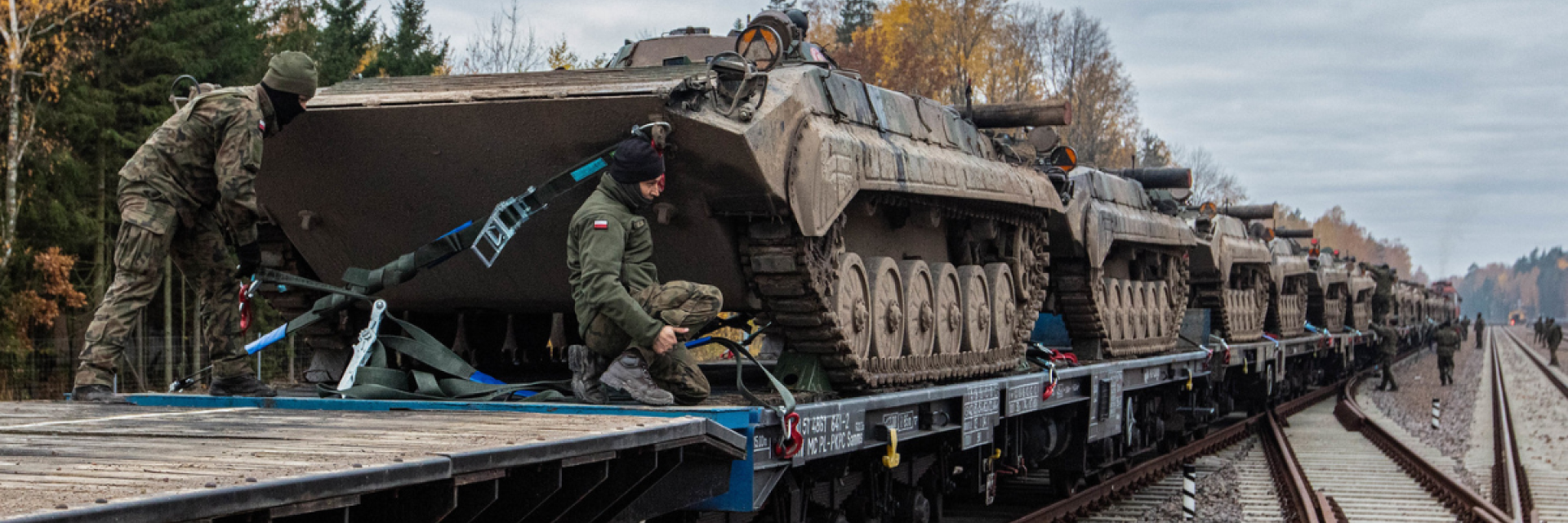
Europe’s ability to deter aggression depends on having strong and well-equipped military forces. But deterrence is about more than raw strength. The ability to quickly deploy forces to frontline Member States in a crisis could prove decisive in an adversary’s calculation over whether to attack. This is particularly important in the Baltic States, where small contingents are supposed to be rapidly reinforced from elsewhere in Europe and from across the Atlantic. Similarly, in a conflict, Europeans’ ability to keep their military forces well supplied would be critical in determining whether they could continue to fight effectively after forward stocks ran out.
Military mobility – encompassing physical infrastructure, logistical assets and the processes governing the movement of military forces and equipment – is a crucial dimension of a stronger European defence. Europeans have been paying growing attention to military mobility, especially since Russia’s full-scale war of aggression against Ukraine. But efforts now need to pick up pace. EU Transport Commissioner Apostolos Tzitzikostas recently warned that moving troops from West to East Europe could take weeks or months(1). According to Defence Commissioner Andrius Kubilius, there is a need for €70 billion in investment to make up for European military mobility shortfalls.
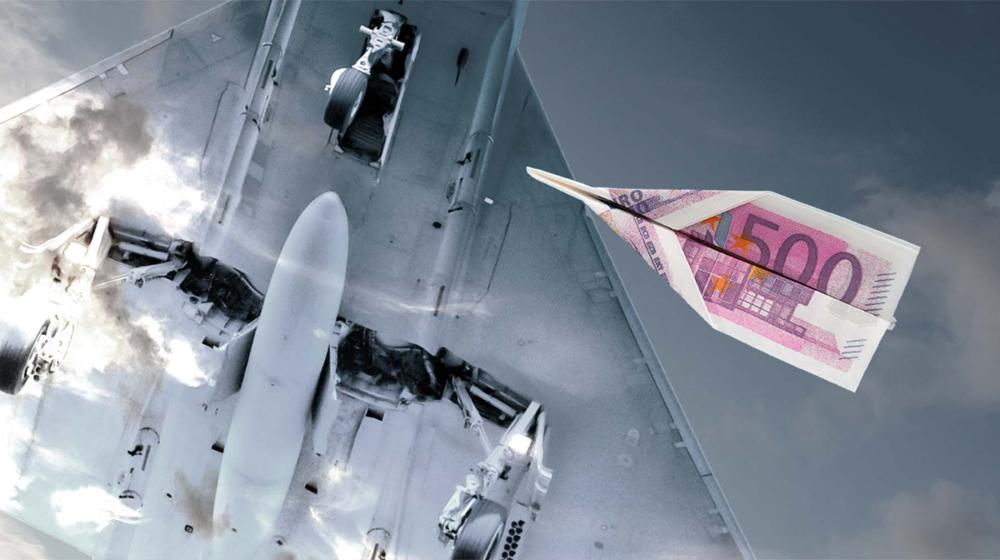
One set of obstacles to military mobility is physical. The EU has identified 500 priority infrastructure projects that need urgent investment. The lack of connectivity between the Baltic States and Poland is a particularly striking example. A single main road connects Poland and Lithuania, while railways gauges are different, which leads to long delays. Bridges that are too weak to carry tanks are another example of inadequate infrastructure: most EU roads have a weight limit of 40 tonnes, but modern tanks can weigh 55-70 tonnes.
The EU has identified 500 priority infrastructure projects that need urgent investment.
The second set of obstacles concerns insufficient equipment: Europeans still lack sufficient assets to transport cargo by air and rail. For example, the number of rail wagons suitable for military transport in Germany declined from over 1 000 in 1990 to just a few hundred in 2024(2). The third group of obstacles to military mobility relates to regulatory or administrative barriers. To cross borders, military forces need diplomatic clearances and permits for dangerous goods(3). These currently take much longer than the EU target of five days. Moreover, if they are entering the EU from another country, military forces need to clear customs. Such administrative hurdles would not be an issue in a conflict, when they would be ignored; but they could lead to dangerous delays during a crisis while peacetime rules still formally applied.
How Europeans can strengthen military mobility
To strengthen military mobility, Europeans need to address all three of its dimensions. The immediate priority should be tackling administrative barriers so that transit procedures are as seamless as possible, and filling the most urgent capability and infrastructure gaps, especially completing the Via Baltica transport corridor. In the medium term, the focus should be on upgrading and adapting infrastructure more broadly to ensure it is resilient to disruption, and further enhancing transport capabilities.
To do all this, Europeans will need to work through a range of formats and institutions. Efforts to improve military mobility are primarily national, as Member States have responsibility for their own defence and infrastructure. Much will therefore depend on whether they can mobilise additional resources to strengthen national infrastructure and reduce bureaucratic barriers to movement, for example ensuring that armed forces have priority access to transport networks in case of need. Funding for military mobility falls within the 1.5% of GDP that NATO allies have pledged to allocate to security-related investment by 2035. That should encourage Member States who are also NATO allies to increase spending in this area.
Aside from national efforts, military mobility also requires extensive international coordination: on cross-border infrastructure, border crossings and transport capabilities. Bilateral and small-group cooperation play a crucial role in terms of strengthening infrastructure and cutting administrative barriers. In January 2024 Germany, the Netherlands and Poland agreed to create an ‘Enablement and Sustainment Corridor’, focused on reducing cross-border bureaucracy and addressing infrastructure priorities. By March 2025, five more such groupings had been formed, including 13 EU Member States and NATO allies such as Albania, Iceland, Norway, North Macedonia and Türkiye (4).
NATO is another key actor and a major player in military mobility. The Alliance is tasked with coordinating military movements, both in peacetime and during a conflict. The NATO Joint Support and Enabling Command in Ulm, which has been fully operational since 2021, is meant to ensure the swift and secure movement of troops and equipment across Europe. NATO has also invested significant sums from its own budget into military mobility, primarily in improving military facilities, through its Security Investment Programme, worth €1.72 billion in 2025.
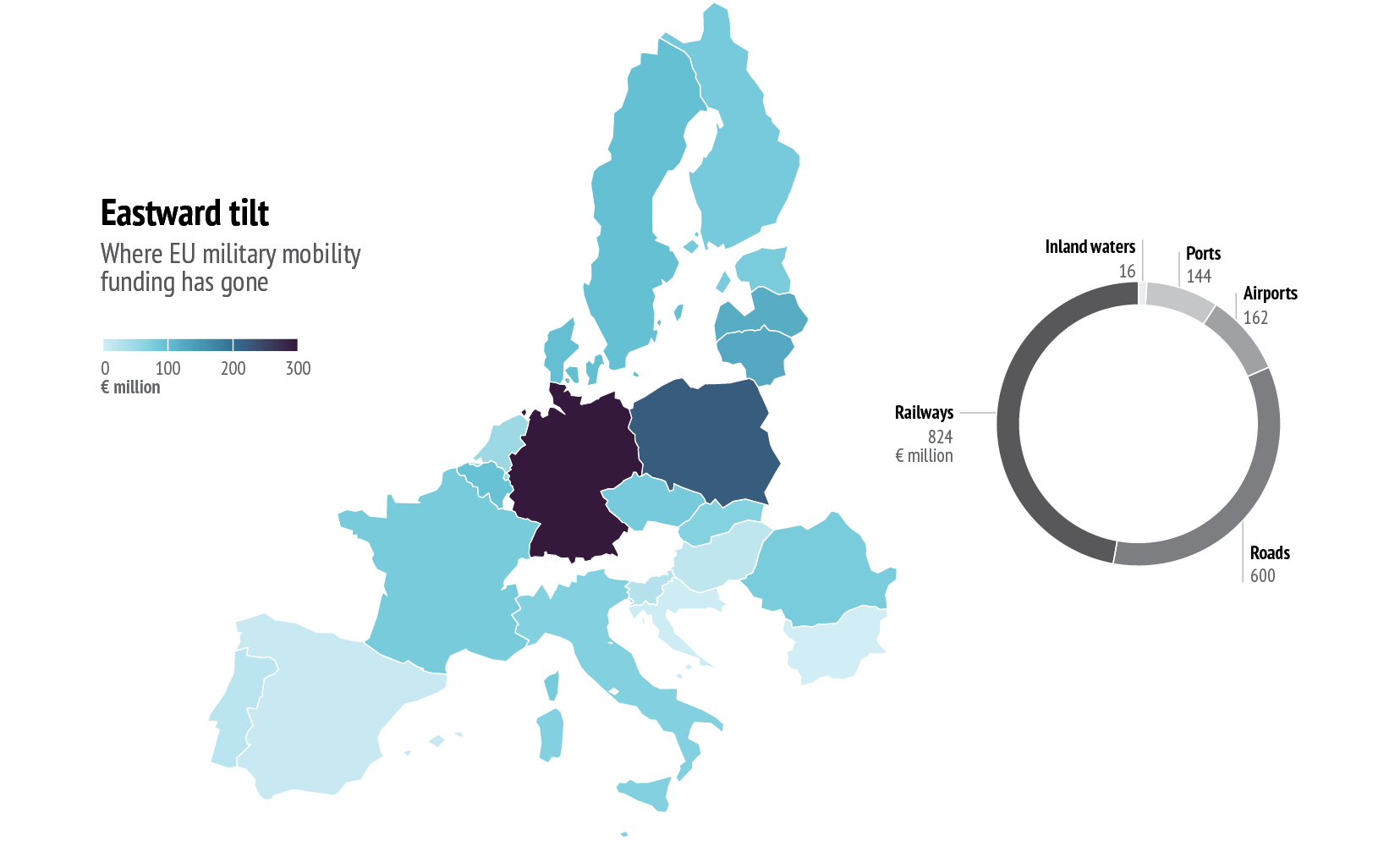
For its part, the EU has also become increasingly involved in military mobility. First, it has mapped the suitability of existing infrastructure for military needs and identified priorities for investment. The EU has also funded infrastructure improvements, drawing on a €1.7 billion dedicated budget from the Connecting Europe Facility for investments in dual-use infrastructure. This budget, which covers the period up until 2027, has been used to co-fund 95 dual-use projects in 21 Member States. In parallel, the European Defence Fund (EDF) is funding several military mobility projects. These include the development of a system to enable the secure exchange of information on military movements, projects on mid-sized and outsized air transport, and the use of 3D printing technologies to enhance supply chain resilience.
Data: European Commission, EU Funding & Tenders Portal, 2025; European Commission, GISCO, 2025
On the regulatory side, the EU is a key player, not least as dual-use infrastructure and private sector operators such as railway companies are extensively involved in supporting military movements. The Union has embedded military mobility considerations in transport policy with the 2024 revision of the regulation on trans-European transport networks. This means that Member States are required to consider military mobility issues when building or upgrading infrastructure along the networks. More broadly, the EU has sought to ease administrative and regulatory obstacles to moving troops and equipment across Europe. For example, the EU has introduced a standardised form to speed up border checks for troops and equipment entering its territory. Separately, the European Defence Agency (EDA) has undertaken a range of activities aimed at harmonising border-crossing procedures, including customs formalities and rules on transporting dangerous goods.
Aside from strengthening infrastructure and reducing the administrative burden, the Union also plays an important role in coordinating Member States’ efforts and connecting them to those of NATO and of non-EU partners like Ukraine and the UK. Military mobility has been a pillar of EU-NATO cooperation. For example, NATO has assisted the EU in defining four ‘priority corridors’ to facilitate the swift movement of troops and equipment across Europe. Under the framework of Permanent Structured Cooperation (PESCO), the project on military mobility brings together all Member States except for Ireland and Malta, alongside allies like Canada, the US, the UK, Norway and Switzerland. A separate PESCO initiative, the Network of Logistic Hubs in Support of Operations, aims to create a Europe-wide network of logistics hubs to manage supplies in a more effective manner, facilitating planning and military movements.
Can the EU do more?
While the EU’s efforts to enhance military mobility have been valuable, they have lacked a sense of urgency. A change of pace is now needed. First, the EU could mobilise more funding. The Commission has proposed a budget of €17 billion for military mobility infrastructure in the 2028-34 EU budget, a tenfold increase on the current budget. The budget for defence and space is also set to increase fivefold, and some of this could in principle be directed to supporting the development and procurement of dual-use transport capabilities. Aside from improving dual-use infrastructure, a bigger budget would allow for a much greater range of investments, for example in building up fuel stockpiles, acquiring transport assets such as planes or railway stock, or funding improvements to energy storage infrastructure along strategic routes.
However, the final budget may look very different from the proposal, and funds from the next Multiannual Financial Framework (MFF) will not be available for years. In the meantime, loans from the Security Action for Europe (SAFE) instrument offer an alternative source of funding that Member States can draw on for military mobility projects and for acquiring logistics capabilities. More broadly, Member States could channel resources to such projects from their national cohesion fund allocations or from the post-Covid recovery fund. There could also be scope to prioritise projects with dual-use potential when allocating other forms of EU funding from relevant funding instruments such as the Connecting Europe Facility. Funding from the European Investment Bank (EIB)(5) can also play a significant role in bolstering national efforts. Military mobility has been eligible for funding from the EIB’s Strategic European Security Initiative since June 2023. For example, in June 2025, the EIB announced a loan to Lithuania to build a base to accommodate German troops who will be permanently stationed in the country. The Bank is also financing the expansion of the Danish port of Esbjerg.
The more the EU can foster a whole-of-society approach to military mobility, the stronger deterrence will be.
In general, EU funding for military mobility infrastructure should be better focused. A report by the European Court of Auditors found that such funding ‘was not targeted at the projects with the highest geostrategic values’(6). There is a strong case for EU financial resources to be directed at the most critical military projects, even if that means fewer awards overall. Distributing part of the funds via direct awards, rather than competitive calls, could be a way to target the most urgent priorities. The EU should work closely with NATO and with national authorities to ensure that the list of urgent projects is constantly reviewed and updated.
Beyond funding, the EU should lead a concerted effort to harmonise national standards and to streamline and digitise procedures. The bloc is currently reviewing all legislation affecting military mobility and is due to propose simplification measures by the end of 2025. The idea of defining a crisis state, which the Member States could activate by qualified majority voting (QMV), and during which much simpler rules would apply, would be an ambitious step. Harmonising and digitising border-crossing procedures, including the EU’s form 302, should be a priority. More broadly, EU regulation could help firmly embed military mobility considerations in all relevant policy areas, from transport to foreign investment screening. This would allow more funding to flow to projects relevant to military mobility. Similarly, EU regulation could strengthen military mobility indirectly, for example by giving additional impetus to efforts to improve the interoperability of railway systems, including through better understanding and use of existing capacity and coordination of cross-border movements.
Finally, the more the EU can foster a whole-of-society approach to military mobility, the stronger deterrence will be. That is primarily the task of Member States. But embedding mobility considerations and preparedness across different policy areas will help build awareness and secure buy-in from private sector stakeholders, such as infrastructure operators, who will play a crucial role in any future crisis.
References
* The author would like to thank Katja Elisabeth Herrmann-Eufracio, EUISS trainee, for her research assistance.
- 1 Moens, B. and Foy, H., ‘Europe’s roads and rail unfit for war with Russia, EU transport chief warns’, Financial Times, 29 July 2025.
- 2 Hartmann, J., ‘Getting Germany’s transportation infrastructure up to speed’, DGAP, 19 June 2024.
- 3 Ruitenberg, R., ‘EU rail push to eastern flank still snarled by rules: French general’, Defense News, 3 October 2025.
- 4 European Commission, High Representative of the Union for Foreign Affairs and Security Policy, ‘Joint Report to the European Parliament and the Council on the implementation of the Action Plan on Military Mobility 2.0’, 20 March 2025.
- 5 EIB, ‘EIB backs new military base in Lithuania with €540 million loan’, 20 June 2025.
- 6 European Court of Auditors, ‘Special Report 04/2025: EU military mobility – Full speed not reached due to design weaknesses and obstacles en route’, 5 February 2025.