The negotiations between the United States and Iran have failed. That is hardly surprising. The mistrust runs too deep, and Trump has already shown how his diplomacy works: first talks, then bombs, then talks again, all the while keeping up the threats. That is no way to build trust and it is why the Americans are now trapped in a war they cannot seem to end.
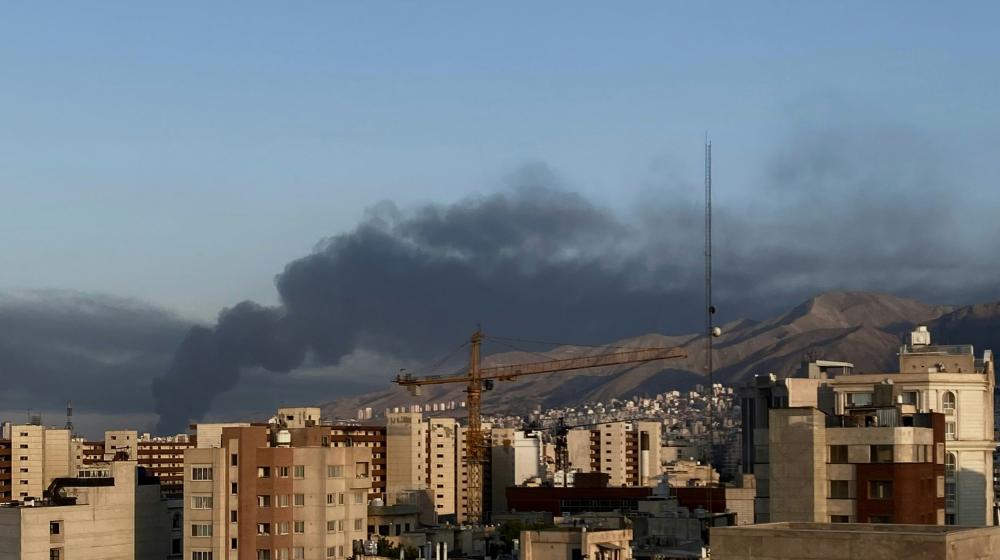
In Washington, the illusion persists that if only enough pressure is brought to bear on Iran, Tehran will eventually swallow American diktats. But Tehran is in a relatively strong position. Not because Iran is winning this war, but because for Iran, not losing already counts as winning. Above all, because thanks to Trump, it now holds a formidable trump card: control over the Strait of Hormuz. In his frustration over the collapse of the talks, Trump has once again chosen escalation and announced an American blockade of the Strait of Hormuz.
Yet this is not only an American failure. It also says something about Europe’s weakness. After some hesitation at the outset, Europe has now adopted a clear position. It says: ‘this is not our war’ – and rightly so. There is no reason why European countries should allow themselves to be dragged into a war they did not choose and that is not a NATO matter either. NATO is a defensive alliance. Its founding logic is that an attack on one is an attack on all, not that an attack by one means an attack by all.
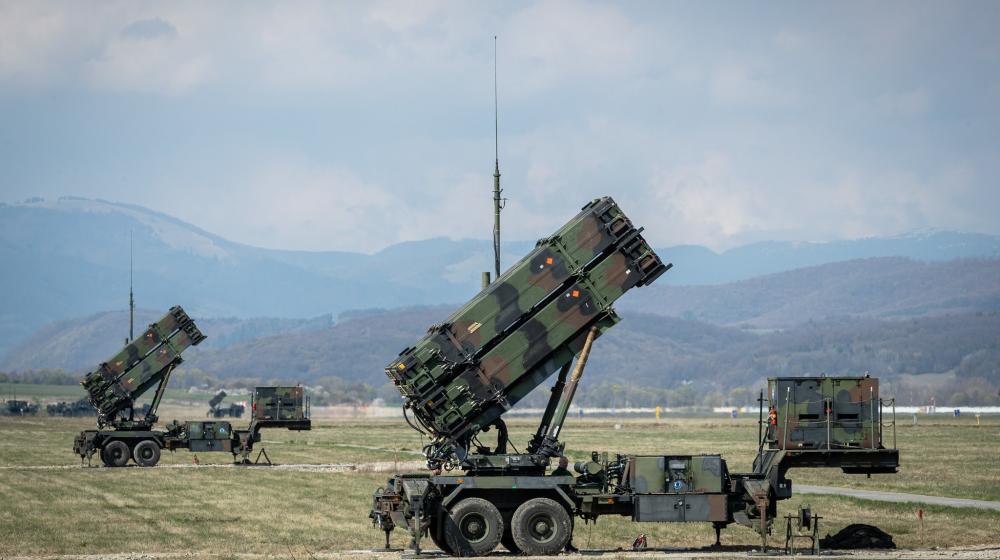
But while this is not our war, it is very much our problem. Europe is paying for this war in many ways. If the Strait of Hormuz remains closed, energy prices will rise again – as will the cost of helium, which is essential for industry and technology. Putin stands to benefit greatly from higher energy revenues, and scarce air-defence missiles will be less available for Ukraine.
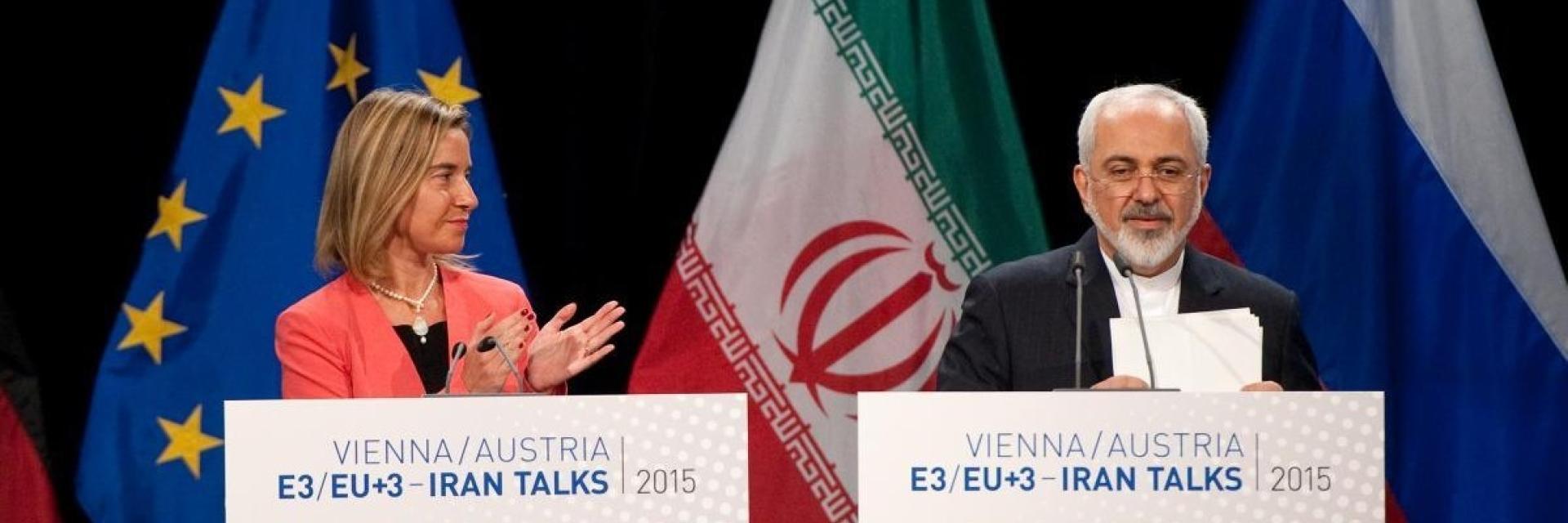
The EU once led the Iran talks
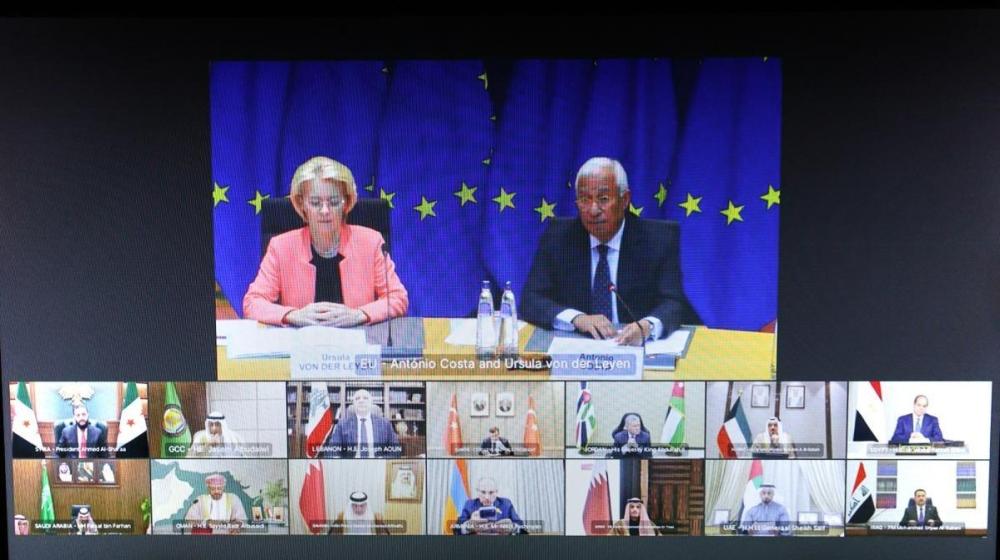
Perhaps more painful still is this: diplomatically, we are on the sidelines. It was Pakistan, with help from Turkey and Saudi Arabia, that brokered the temporary ceasefire. European leaders travel, make calls and often say sensible things. But the reality is that others are setting the pace and direction.
We seem to accept this almost fatalistically, as though there were no alternative. But there is. More than that, on this issue Europe possesses precisely what Washington lacks: diplomatic credibility. Not so long ago, it was the European Union that led the international negotiations with Iran. From 2006 onwards, the EU took the diplomatic lead, culminating in the 2015 nuclear agreement, still one of the crown jewels of European diplomacy and one of the few tangible successes of multilateral diplomacy in the Middle East. It was only after Trump withdrew from it in 2018 that the slow descent into today’s chaos began.
That is precisely why Europe must not wait on the sidelines now, but take the initiative. The most urgent objective is clear: the Strait of Hormuz must be reopened. That is not only in Europe’s interest; the Gulf states want it, and Asian countries want it too. In the end, Iran also has an interest in an arrangement with neighbouring states and others. So there will have to be negotiations. The question is simply: by whom, with whom and on what terms?
The notion that reopening the Strait of Hormuz can above all be ‘enforced’ by military means – as Trump suggests, and has for some time urged Europe to support by dispatching naval vessels – is an illusion. This is no simple replay of the escort missions of the 1980s. Iran does not need to close the waterway permanently in order to block it in practice. A handful of drones, mines and targeted threats are enough to deter insurers and shipping companies. We can already see that. Formally, Iran’s conduct violates the law of the sea, but being legally right and prevailing in practice are not the same thing. In short: there will have to be negotiations.
A new diplomatic coalition
Europe should therefore forge a diplomatic coalition with the Gulf states and with major Asian energy importers such as India, Japan, South Korea and, where possible, China. Not as an anti-American bloc, but as a serious negotiating group with one immediate aim: a workable international arrangement for free and secure passage through Hormuz, negotiated with Iran and Oman. Elsewhere in the world, there are also arrangements governing access and transit in geopolitically sensitive waterways, such as the Bosporus, the Suez Canal and the Panama Canal. Why not here?
Such a coalition of the willing must be first and foremost diplomatic, not military. Minesweepers, naval vessels and escorts can play a role later, but as the final element, not the starting point. Reversing that sequence would only heighten the risk of escalation without actually restoring freedom of navigation.
Europe could learn something here from President Zelensky. He rarely waits for the world to move on Ukraine’s behalf. He creates movement. That is exactly what Europe must now do as well. It must stop merely proclaiming principles and waiting to see what others do, and start acting for itself.
Psychologists have a term for the behaviour Europe too often displays: learned helplessness. It is the passivity and discouragement that arise when people repeatedly convince themselves that they are powerless. It is a human mechanism, but in geopolitics it is deadly. Helplessness is not fate, and irrelevance is not either. Both are the result of choices. Once again, Europe faces such a moment of choice. Will it stiffen its spine, as it did in confronting Trump over Greenland? Or will it once again allow history to wash over it?
This opinion piece by Steven Everts was originally published in Dutch in NRC on 13 April 2026 under the title, 'Europa is geloofwaardiger dan de VS, en dat weet Iran'. It is reproduced here in English with the permission of NRC.