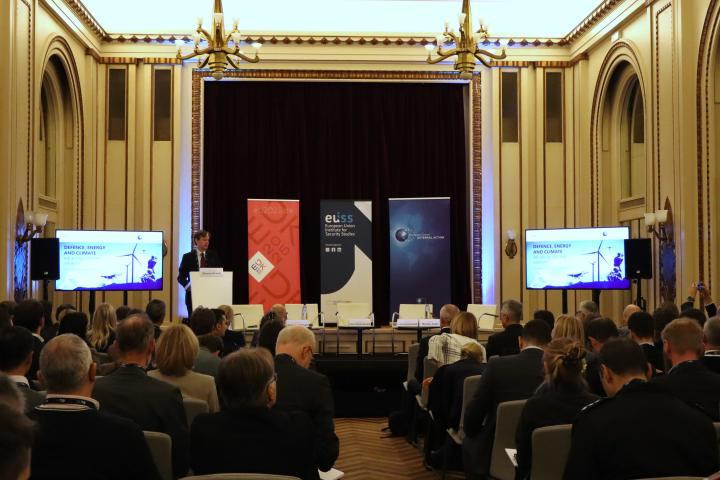
Climate, energy and defence go hand in hand. As energy transition and climate change reshape logistics, capabilities and the battlespace, we gathered experts and policy-makers to discuss concrete solutions for Europe’s militaries.
The event was co-organised with the European External Action Service and the Danish Presidency of the Council of the EU.
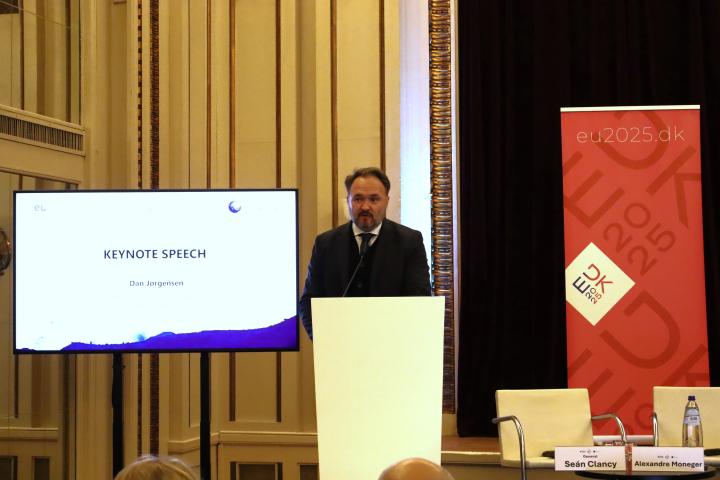
Our Director Steven Everts opened the conversation, with Commissioner Dan Jørgensen’s keynote highlighting the strategic reality: Europe can no longer view energy, climate and defence separately, their interconnections now shape our security environment.
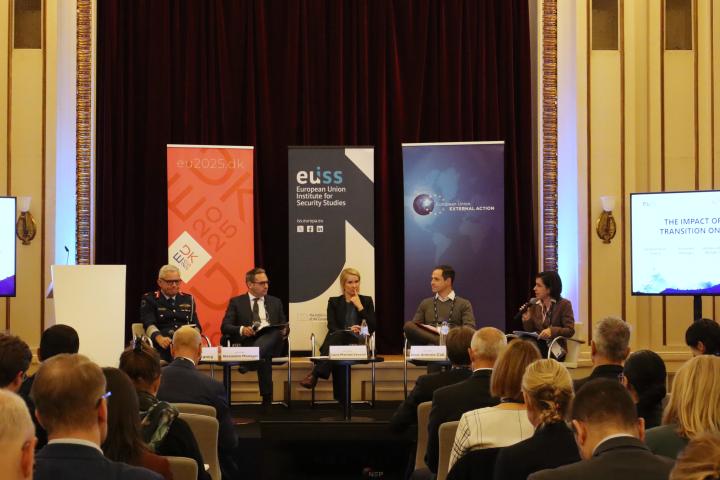
Panel 1: The impact of the energy transition on the military
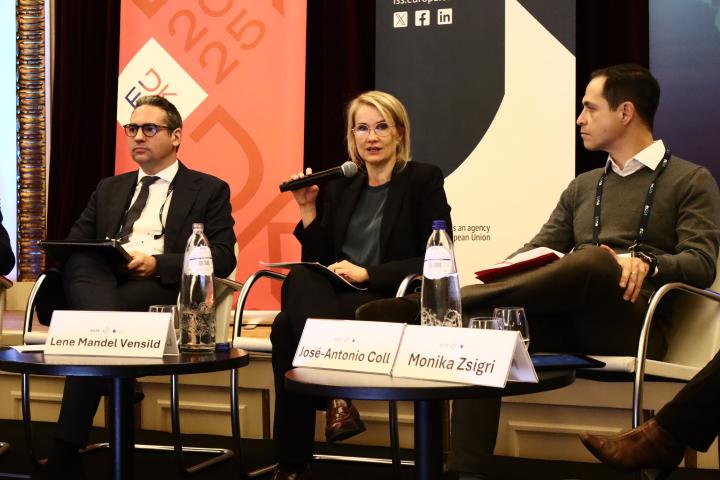
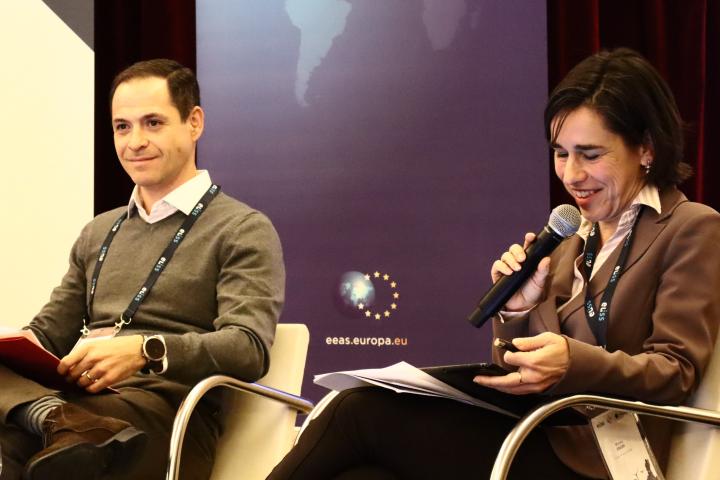
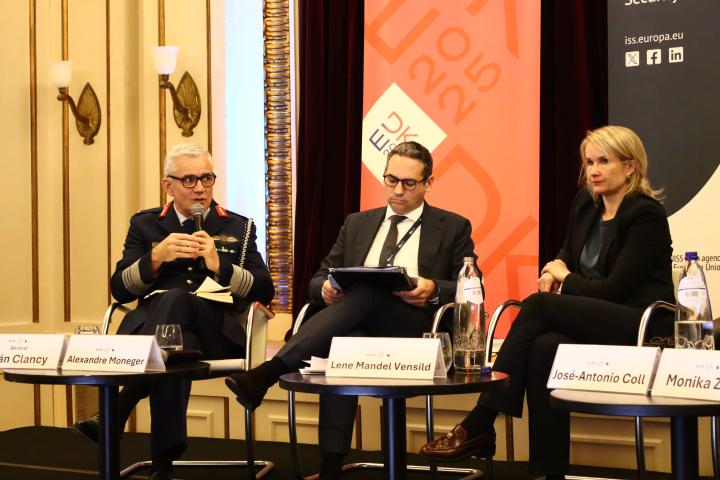
Moderated by Monika ZSIGRI (Head of Unit of Energy Security and Safety, Directorate General for Energy), the discussion highlighted how the energy transition brings both risks and opportunities for defence.
Speakers:
- General Seán CLANCY (Chair of the EU Military Committee)
- Alexandre MONEGER (Head of Hybrid Strategy and Policy, NATO)
- Lene MANDEL VENSILD (Ambassador of Denmark to Political and Security Committee)
- José-Antonio COLL (Head of Sustainability at Airbus Defence & Space / Aerospace, Security and Defence Industries Association of Europe)
Topics covered included:
- Fuel security and diversity: a crucial point for EU militaries.
- Energy systems: with lessons from Ukraine’s experience of weaponised energy and the importance to shift to more decentralised grids to reduce vulnerabilities.
- New dependencies: from batteries to critical raw materials, Europe’s defence industry still relies heavily on external suppliers.
- The importance to collaborate with industry.
Panel 2: Climate change in the sphere of military capabilities
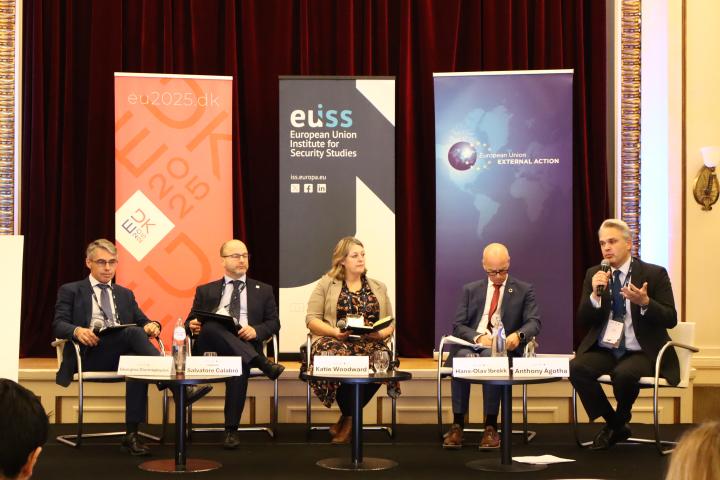
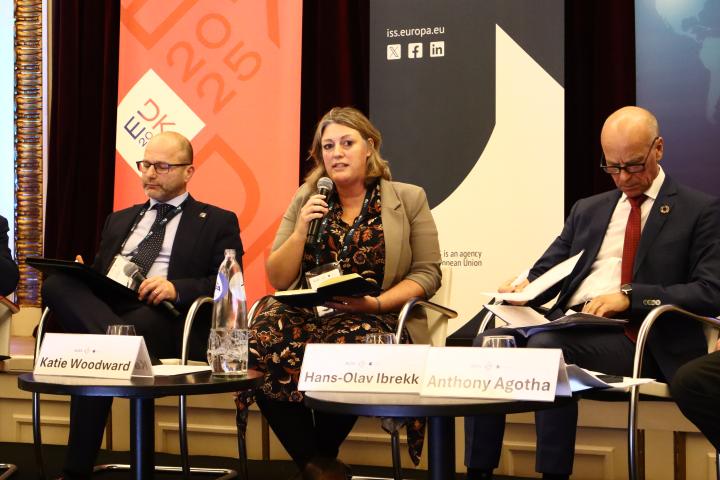
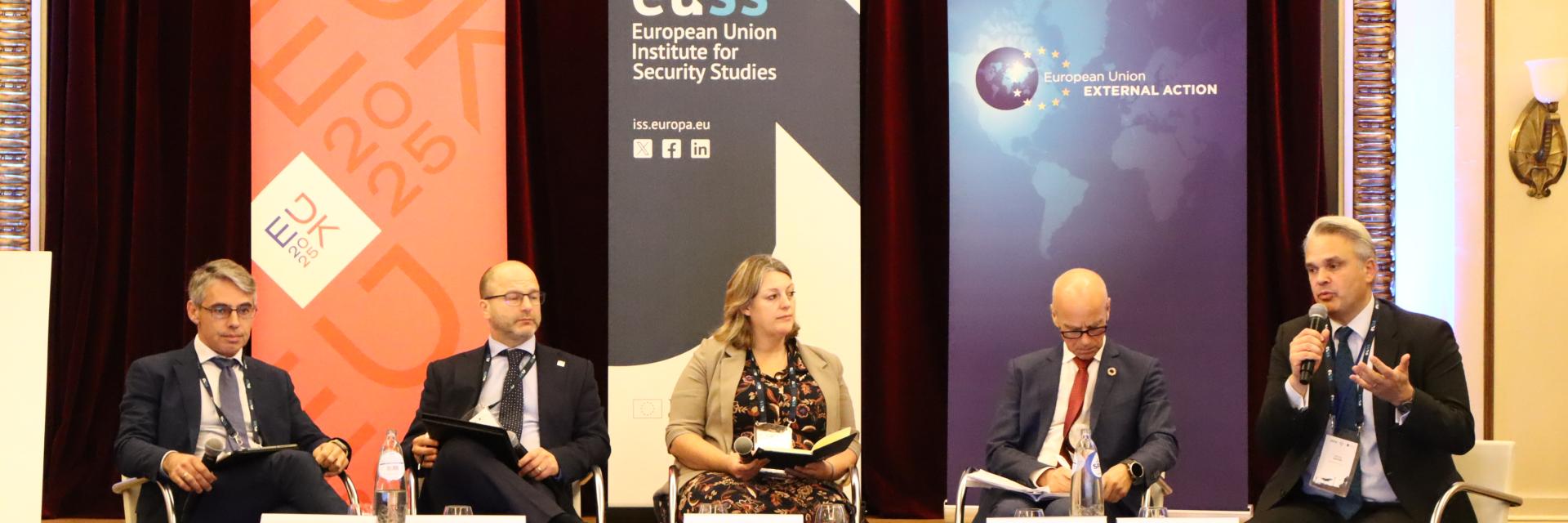
Moderated by Tony Agotha (Special Envoy for Climate and Environment Diplomacy, EEAS), the second panel examined how climate change is redefining the conditions of warfare: from where militaries operate to the capabilities they will need.
Speakers:
- Georgios GIANNOPOULOS (Acting Director, Directorate E, Joint Research Centre, European Commission)
- Captain Salvatore CALABRÒ (Head of S&T Advice, NATO)
- Katie WOODWARD (Fellow, Delivery – Strategic Analysis, Defence Science and Technology Laboratory (Dstl)
- Hans-Olav IBREKK (Special Envoy, Climate and Security, Section for Energy, Climate and Food Security, Norwegian Ministry of Foreign Affairs)
Discussions highlighted:
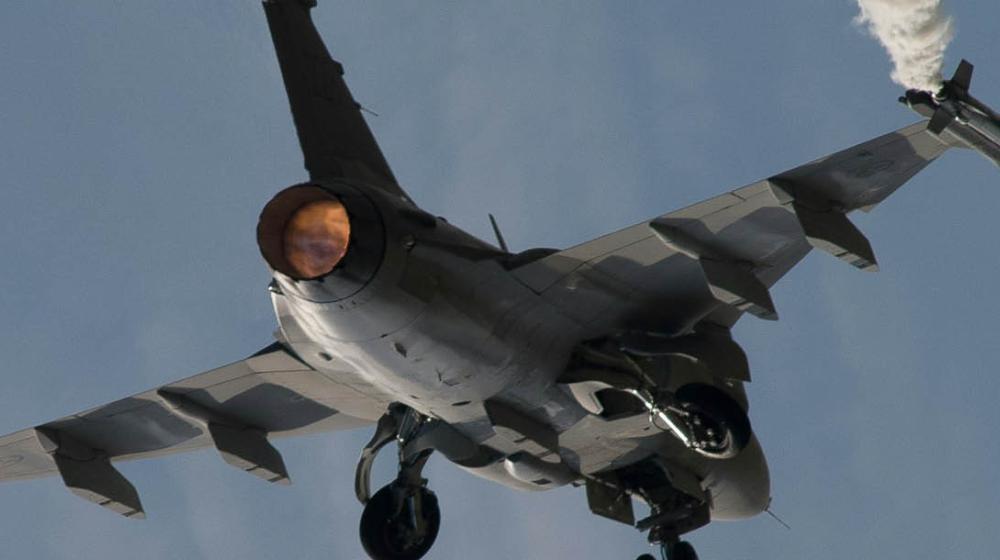
- Concrete operational impacts of climate change: equipment forced beyond temperature limits; runways losing friction in extreme heat; and changing ocean salinity complicating submarine detection.
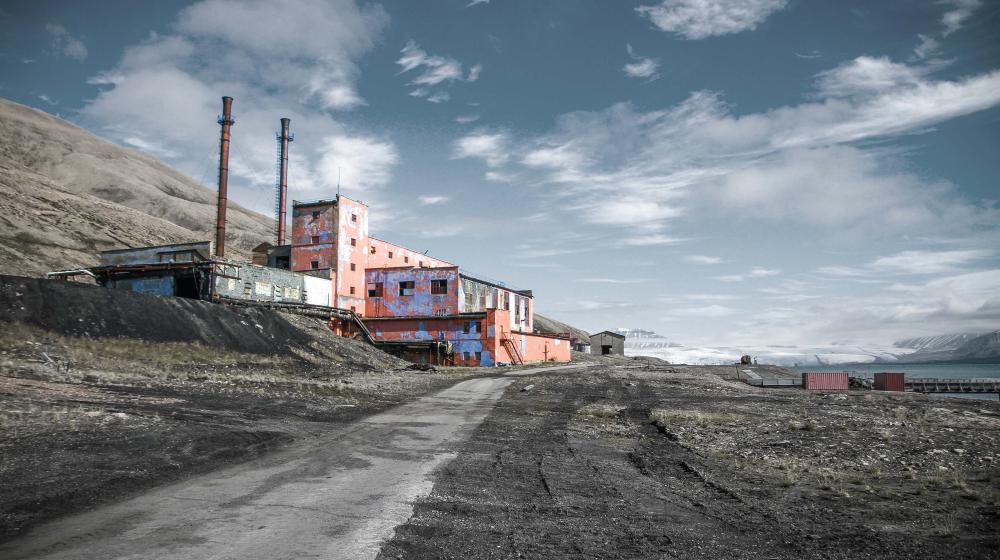
- How climate change is reshaping strategic regions such as the Arctic.
- The central role of science and reliable data. With public trust increasingly fragmented, preparing future generations to understand technology, climate dynamics and misinformation is essential.
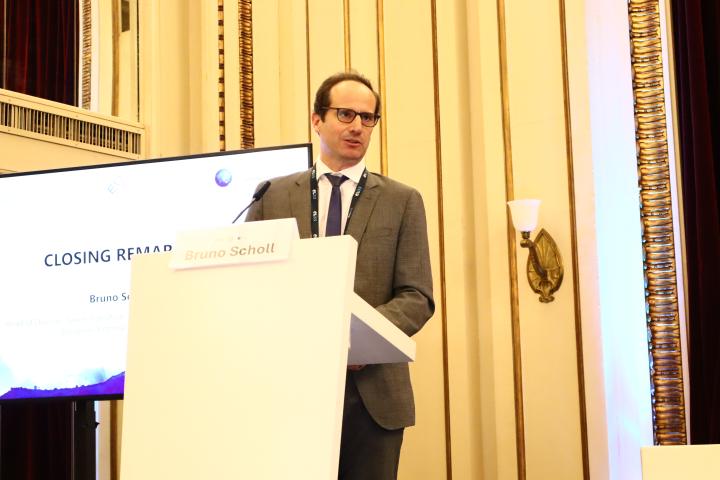
Bruno Scholl (Head of Division, Green Transition - Climate, Energy, Environment, EEAS) gave the closing remarks, reminding that global warming remains a major security risk and linking the discussion with the recent COP30.