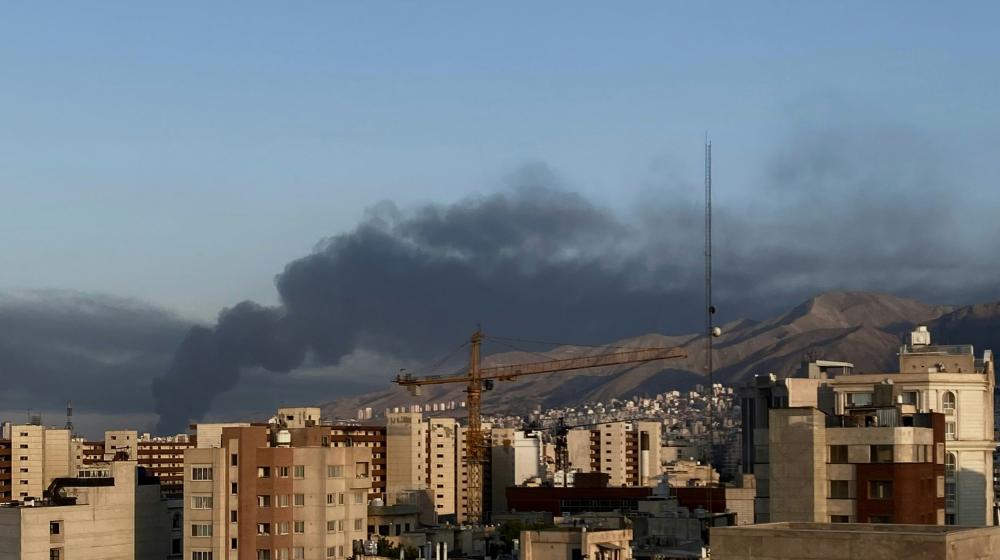
The US-Israel war on Iran is reshaping relations between Europe and the Gulf, bringing security to the forefront of the EU-Gulf relationship and exposing a growing convergence of interests.
The central strategic shift is a weakening of confidence in US security guarantees. Gulf governments had invested heavily in their relationship with Washington, both politically and financially. Yet this crisis has reinforced the view that Gulf interests can still be subordinated to Israeli priorities. Gulf leaders had signalled early on that they feared being left to manage the consequences of a war they neither wanted nor joined. That concern is now becoming more concrete.
This matters for the EU. As Gulf states reassess their external partnerships, the EU has an opportunity to deepen its role, both through investment and diplomacy and through more practical engagement on regional security, stabilisation, and technology cooperation. But the window of opportunity will be short-lived, and Europe will have to act with intent if it is to secure lasting influence.
A regional order under strain
The geopolitical effects of the war are already becoming visible. Discussions around a new regional security arrangement involving Turkey, Saudi Arabia, Egypt and Pakistan suggest that key states are exploring alternatives to the existing order more actively than they were before the war. The UAE remains an important variable: whether Abu Dhabi adjusts its position in response to the war or maintains its close ties with the US and Israel will shape the balance of any emerging regional framework.
Either way, the Gulf’s previous strategy of managed ambiguity, based on hedging between powers and limiting direct entanglement, is becoming harder to sustain in a more polarised regional environment.
Even if a negotiated settlement emerges soon, there is no certainty that it will endure. A premature US declaration of success followed by disengagement would leave the region less stable than before. The main drivers of conflict would remain unresolved, including Iran’s regional posture, the nuclear issue, and the future of its proxy networks. Instability in Lebanon is likely to persist, and any attempt to incorporate Hezbollah into a broader settlement would face strong Israeli resistance.
The war could also widen geographically, particularly if Israel moves towards more direct confrontation with the Houthis in Yemen. Even without such escalation, a prolonged war would make renewed Houthi involvement increasingly likely, with direct implications for Red Sea shipping and European trade and energy flows.
Across the Gulf, relations with both the United States and Iran are likely to remain altered. The fragile Iran-Gulf rapprochement has been badly damaged, and Gulf states are unlikely to draw much reassurance from Iranian efforts to distinguish between American and Gulf targets.
A limited but real opening for Europe
As confidence in US security guarantees weakens, both the EU and Gulf states are rethinking their external partnerships and managing their risk exposure more carefully. Gulf sovereign wealth funds are reassessing risk, including in the United States. Much of the investment announced before the war, including Saudi Arabia’s widely publicised pledge of up to $1 trillion after Mohammed bin Salman’s November 2025 visit to Washington, consisted of memoranda of understanding and political declarations rather than fully executed deals, giving Gulf governments room to redirect capital quietly, without publicly reversing course.
Europe is well placed to attract a share of the redirected capital, particularly in infrastructure, green energy and technology. Still, expectations should remain measured as fiscal pressures intensify, defence spending rises, and the broader economic effects of the war reduce the overall pool of Gulf capital available for external investment. Europe may capture a larger share of a smaller cake.
There is also a security opening. Moscow’s reluctance to explicitly condemn Iranian strikes on Gulf infrastructure may affect Gulf perceptions of Russia and create space for new forms of EU-Gulf cooperation, including on drone and counter-drone capabilities drawing on Ukrainian expertise. Ukraine has offered Gulf states support in this domain and has already sent teams to the region, while the EU has offered to act as an intermediary in facilitating this cooperation. Given that Kyiv has already begun joint drone production with some European countries, as well as the EU’s broader stake in both wars, there is a strong case for EU involvement in these discussions, including on intellectual property, industrial coordination, and securing the best possible terms for Ukraine with Gulf partners with whom the EU often has closer ties.
Europe must be both ambitious and clear-eyed
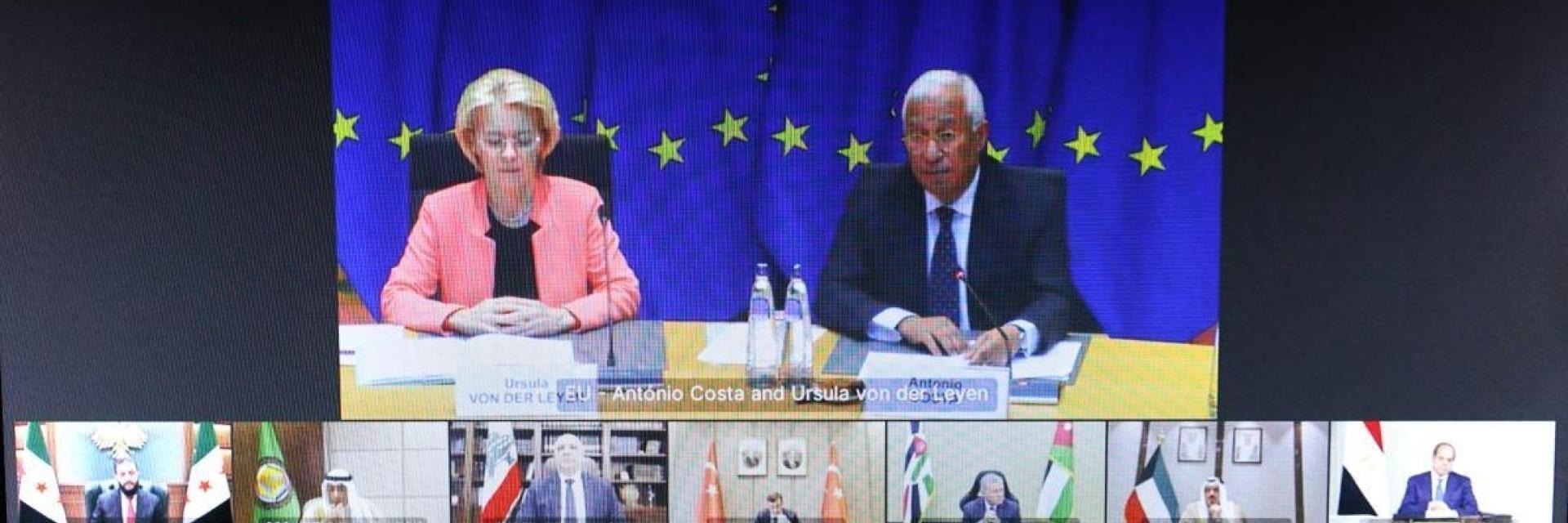
From the outset, the EU coordinated closely with Gulf partners, publicly affirmed support for their security, and convened high-level meetings with regional counterparts. It should now build on that engagement with a more deliberate and practical strategy, combining deeper ties with individual Gulf states, expanded cooperation on maritime and air defence, work on shared neighbourhood challenges such as Lebanon, Syria, and the Israeli-Palestinian conflict, including the two-state solution, and continued support for multilateral norms.
At the same time, Europe should be clear-eyed about the limits of this engagement. EU and Gulf interests do not fully align, including on human rights, regional governance, and the terms of any eventual political settlement. There are clear limits to how far any collective security partnership can go. Competition between Member States for Gulf investment is inevitable, but it should be managed in ways that do not erode Europe’s collective leverage. A fragmented European approach would weaken the EU’s position just as its relevance might be increasing.
The war has exposed shared vulnerabilities and created a rare opening for a more substantive EU-Gulf partnership. To seize this opportunity, the EU will need to move beyond expressions of concern and offer partners something more tangible: credible security engagement, practical economic cooperation, and political consistency. The question is no longer whether an opening exists, but whether the EU is ready and able to make use of it.