It feels like EU enlargement is getting closer. The Commission is no longer just assessing whether enlargement partners are ready to join. It is proposing steps to prepare the EU to welcome them in. With its October Preparing for a Wider Union communication, the Commission has set out proposals to adapt the EU's decision-making, policies and budget to accommodate new members.
The 2026 Enlargement Package thus comes at a time when the prospect of the next enlargement is beginning to take a somewhat more concrete shape. Yet the path to membership looks different for each enlargement partner. For some, the task is to sustain reform progress and bring negotiations to a close. For others, it is to translate progress in negotiations into lasting reforms, overcome political deadlock or reverse democratic backsliding. The Commission's new indicative roadmaps for Albania, Moldova, Montenegro and Ukraine set out milestones for the year ahead, offering a more concrete framework for the next steps. Yet their focus on the coming year, rather than firm deadlines for concluding negotiations, also illustrates the limits of the predictability they can offer.
For the EU, the challenge is to move from preparing for enlargement to making the decisions that will enable it: adapting its institutions and policies, ensuring that reform progress is rewarded, and securing the political support needed to see enlargement through.
Turning momentum into membership
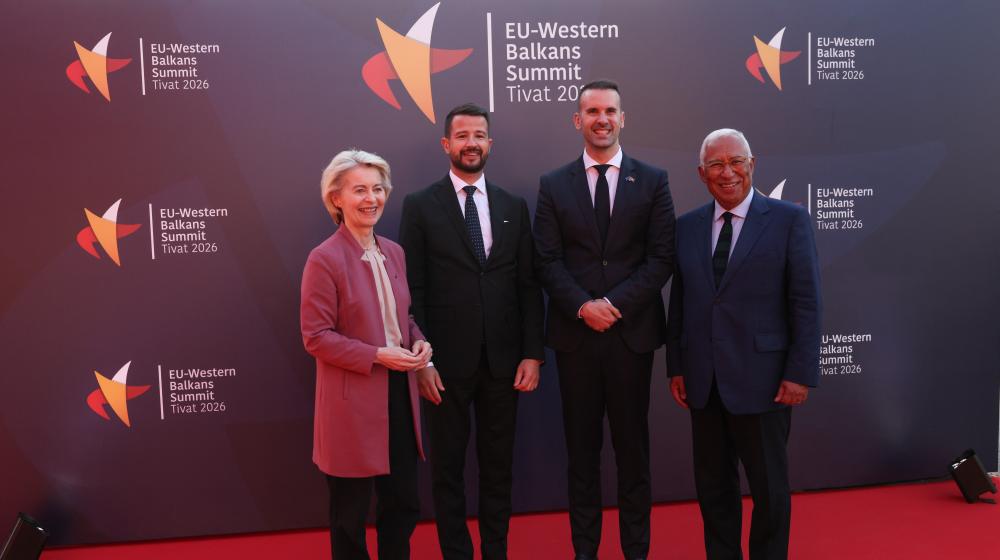
Montenegro and Moldova are at different stages of accession, but both raise the question of what it will take to translate negotiating progress into membership. Having provisionally closed 21 of its 33 chapters, including 14 during the latest reporting period, Podgorica has entered the final stage of accession negotiations. Work on the country’s accession treaty is underway. Sustaining cross-party cooperation, addressing outstanding issues raised by Croatia in the spirit of good neighbourly relations, and implementing judicial and anti-corruption reforms will be essential to bringing negotiations to a close.
Chisinau faces a different test: sustaining rapid progress while building the capacity to meet the obligations of membership. Reforms have advanced, including in the judiciary, despite sustained Russian interference and the growing security repercussions of Russia’s war of aggression against Ukraine. Maintaining momentum will require stronger public administration and effective implementation of institutional reforms. While Montenegro must demonstrate its readiness to conclude negotiations, Moldova must show that its institutions can keep pace with the accession process.
Turning progress into lasting reforms
For Albania and Ukraine, advances in accession negotiations need to be accompanied by sustained reforms, particularly in the rule of law. In Albania, large-scale student-led protests over corruption and economic grievances, accompanied by violent clashes and allegations of excessive use of force by the police, have exposed tensions over accountability and public trust. Sustaining progress in negotiations will also require stronger democratic institutions, judicial independence and respect for fundamental rights.
Ukraine has advanced its accession negotiations while fighting an existential war. Its anti-corruption institutions continue to deliver results, although judicial reforms face delays and safeguards against political interference remain essential. Ukraine also shows that enlargement is increasingly about what future members can bring to the EU, not just the reforms they must undertake. For the first time, the Commission's 2026 country reports include a dedicated section on security, defence and resilience across enlargement partners. Ukraine's battlefield experience, defence innovation and cyber expertise can contribute to European defence readiness, with cooperation already taking shape through initiatives such as the EU–Ukraine Drone Alliance and BraveTech EU. Deeper industrial integration will, however, require closer alignment of technical standards, procurement rules and supply chains.
Turning political openings into opportunities
Bosnia and Herzegovina, Kosovo* and North Macedonia illustrate how political openings can lead to progress – provided there is political follow-through. Skopje has made significant progress under its Reform Agenda, but the country still needs to adopt constitutional amendments and meet outstanding opening benchmarks to advance negotiations. The post-election period offers Sarajevo an opportunity to reverse its growing disengagement from the EU path and deliver on long-overdue reforms. Meanwhile, a political agreement between the Vetevendosje Movement (LVV) and the opposition Democratic Party of Kosovo (PDK) has eased a prolonged institutional crisis, while the lifting of EU measures and the resumption of financial assistance offer Pristina an opportunity to revive stalled reforms. Yet concerns over the judiciary and fundamental rights persist, alongside outstanding obligations under the EU-facilitated Dialogue.
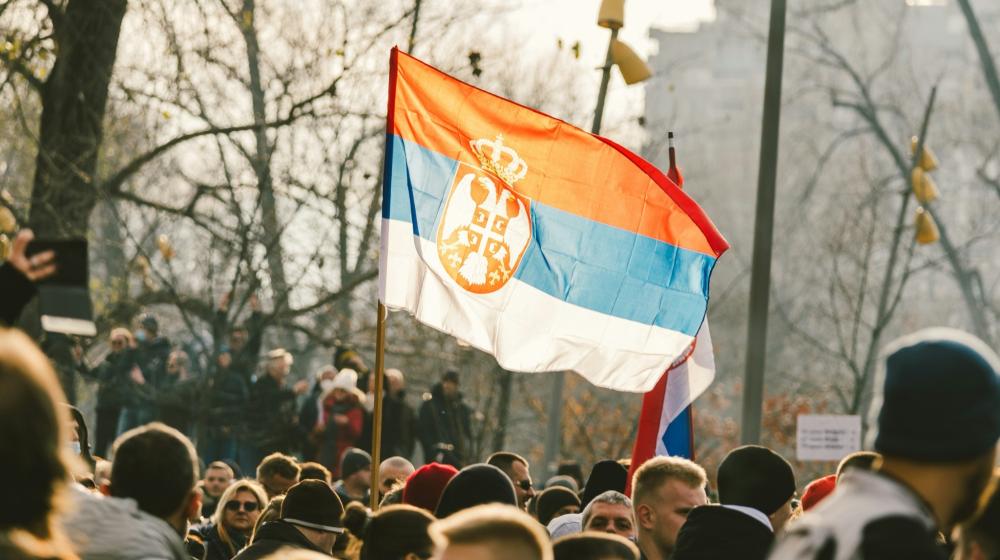
Serbia presents a sharper contrast between political change and accession stagnation. During the reporting period, it had made no substantive progress in accession negotiations. Despite continued technical alignment with EU rules, democratic erosion and growing political polarisation raised questions about the credibility of its commitment to European integration. However, the parliamentary elections of 25 October 2026 have opened a new political chapter. Following nearly two years of student-led protests, the election result offers a chance to revive Serbia's stalled accession process. Strengthening democratic institutions and judicial independence will be central, alongside closer alignment with EU foreign and security policy and progress under the EU-facilitated Dialogue. None of these will be easy to achieve.
Turning candidacy into commitment
Türkiye and Georgia demonstrate the limits of candidate status when the political conditions for accession remain unmet. Their accession processes remain stalled, although for different reasons and under different political circumstances. With Türkiye, pragmatic cooperation on trade, migration and regional security continues despite mounting legal pressure on opposition figures and civil society. In Georgia, where the accession process remains de facto halted, the EU continues to support the European aspirations of the Georgian people despite the authorities' restrictions on fundamental rights and civic space. These relationships may continue to evolve, but cooperation and candidate status cannot substitute for the democratic commitments on which accession rests.
But is the EU ready?
The 2026 Enlargement Package shows that progress towards membership is no longer a distant prospect. This puts the EU's own readiness to the test on three fronts.
First, the EU must be able to reward progress, ensuring that reforms translate into concrete advances towards membership. Second, it must strengthen its capacity to absorb new members. The Commission has put forward proposals to streamline decision-making, introduce stronger safeguards against post-accession backsliding and adapt EU policies to a larger membership. At its October meeting, the European Council acknowledged the need for internal reforms and called for further work on these proposals, but stopped short of concrete decisions. Third, the political test lies with Member States: whether they can sustain the political commitment needed to turn the prospect of enlargement into reality.
The EU's own preparations can no longer remain an open-ended exercise. How it handles its next enlargement will say much about its ability to take decisions and act on them, with implications extending well beyond enlargement itself.
* This designation is without prejudice to positions on status, and is in line with UNSCR 1244/1999 and the ICJ Opinion on the Kosovo Declaration of Independence.